




“Music and dance are all you need.”
– Molière (Le bourgeois gentilhomme)

Louis XIV (1638-1715) was not alone in his autocratic rule amongst 17th century monarchs. However, it was his innovative use of diplomatic and political soft power that contributed to his long reign as King of an all-powerful France. His opulent palace in Versailles was the envy of other European leaders as a symbol of wealth and power, and many tried to replicate it for their own vanity projects.
The King exerted supremacy through a complex code of etiquette, and politicised the arts to impress his authority on aristocrats and foreign dignitaries alike. In appointing the Italian-born musician, dancer and composer Jean-Baptiste Lully as Master of the King’s Music, Louis chose a political manipulator whose ruthlessness matched his own. Their control over music, dance and opera ensured that the arts had the single purpose of glorifying the King and France. Even the choice of subject matter for each ballet became a tool for propaganda.
The King’s passion for dancing was central to his power, and dance and diplomacy became inseparable. Versailles was the setting for concerts, extravagant balls, sumptuous feasts and spectacular fireworks displays, each with appropriate music. Dance became a focus for all the arts. Composers needed to understand the various dance steps, and musicians had to know the correct tempi for performing dance movements. Dance manuals proliferated, and choreographers and dancing masters were celebrated.
Failure to master the art was devastating to ambition, as a contemporary courtier and memoirist Louis de Rouvroy noted on the plight of a would-be aristocrat:
“From the first bow, he became confused, and he lost step at once. He tried to divert attention from his mistake by affected attitudes … but this made him only more ridiculous, and excited bursts of laughter, which, in spite of the respect due to the personage of the King (who likewise had great difficulty to hinder himself from laughing), degenerated at length into regular hooting.”
De Rouvroy added that it was “a pity he exposed himself to this defeat, for he was an honourable and brave man”. Framing it as a “defeat” rather than a hapless aristocrat’s lack of ability reflected the way in which the discipline of dance was mirrored in society more generally while Louis XIV reigned.
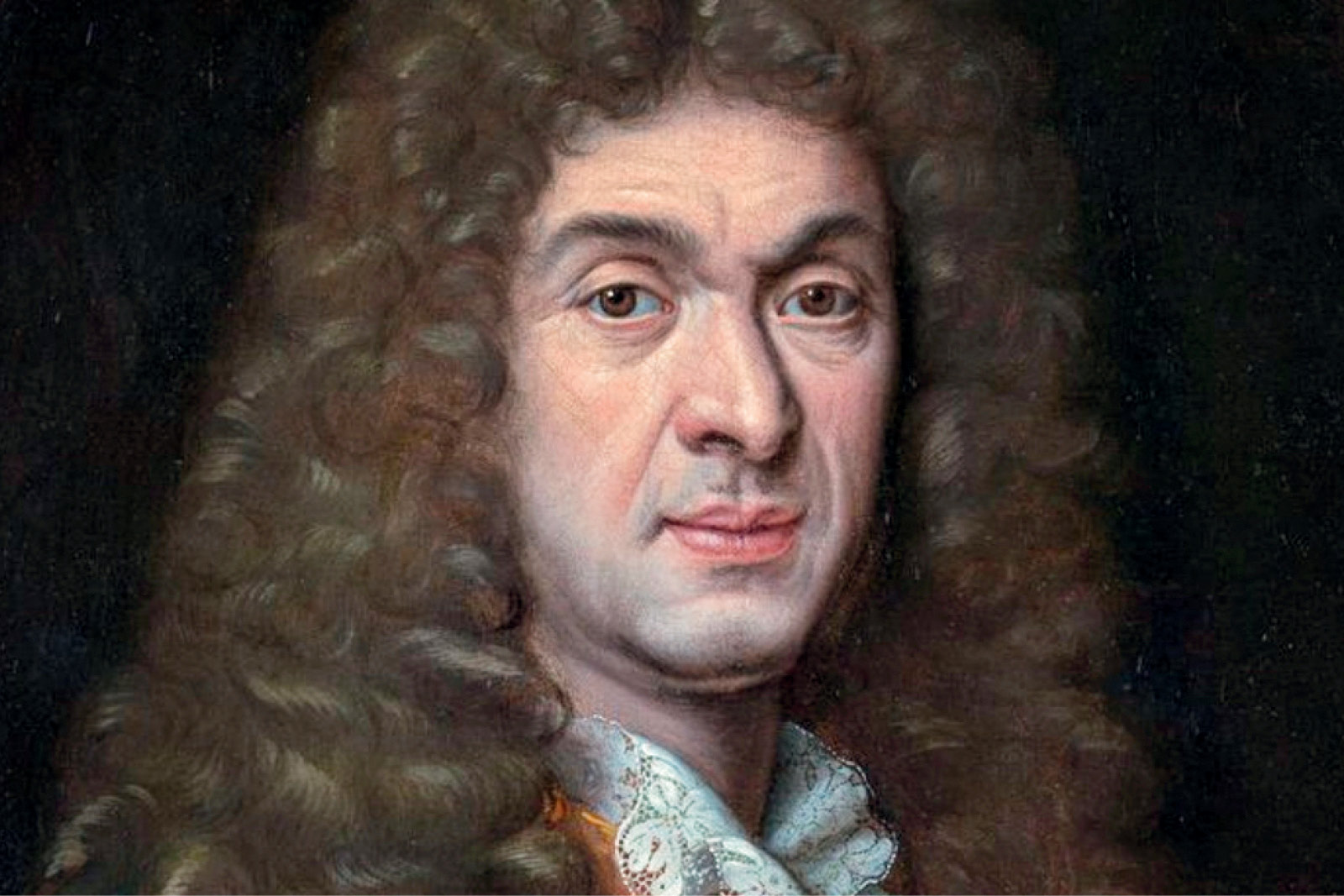
Jean-Baptiste Lully.
The King expanded and centralised the bureaucracy to consolidate royal power, and took direct control of administrative, financial and justice matters. Nor was religion spared Louis’ unyielding grip; religious doctrine and ecclesiastical laws had to align with his philosophy of absolutism.
By the end of the 17th century, France was a dominant power and militarily boasted the largest professional army in Europe.
However, the constant destructive and costly wars severely strained France’s resources, and Louis’ demand for extravagant spectacles and follies could not be sustained, weakening his supremacy in the last decade of his life. More entrenched was Lully’s influence over composers well after his untimely death in 1687, after stabbing himself in the foot while conducting a performance of his Te Deum to celebrate his King’s recovery from surgery.
Decades of Lully banning music not meeting with his approval led to creative paralysis by some composers, who continued to assiduously imitate Lully’s style of composition. The celebrated historian Charles Burney was scathing about French music after going to a performance of the opera Zaïde by the French composer Joseph-Nicolas-Pancrace Royer. The opera was written in 1739 but was being revived for the fourth time during Burney’s visit to Paris in 1770.
Burney was astonished that “nothing better, or of a more modern taste, has been composed since; the style of composition is totally changed throughout the rest of Europe; yet the French, commonly accused of more levity and caprice than their neighbours, have stood still in music for thirty or forty years: nay, one may go still further, and assert boldly, that it has undergone few changes at the great opera since Lulli’s time, that is to say, in one hundred years”.
From his humble Italian birth as Giovanni Battista Lulli, Jean-Baptiste Lully reinvented himself with merciless ambition. After being appointed to the Court as a dancer and composer at the age of 20, he charmed and backstabbed his way to become the most powerful exponent of French Baroque style. Lully’s rise was all the more phenomenal considering his lack of social status and connections when he arrived at Court at the age of thirteen.
Évrard Titon du Tillet’s biographical history of French musicians during the reign of Louis XIV, Le Parnasse François (1727), honoured Lully as “the prince of French musicians … the inventor of that beautiful and grand French music, such as our operas and the grand pieces … that were only imperfectly known before him. He brought music to the peak of perfection.”
The magnificence of Versailles stands as a monument to Louis XIV and Lully’s extraordinary legacy. Together they created a rich cultural history, albeit through draconian means diametrically at odds with the beauty and elegance of their artistic expression, and helped transform dancing from a social activity to the much-loved professional artform we enjoy today.
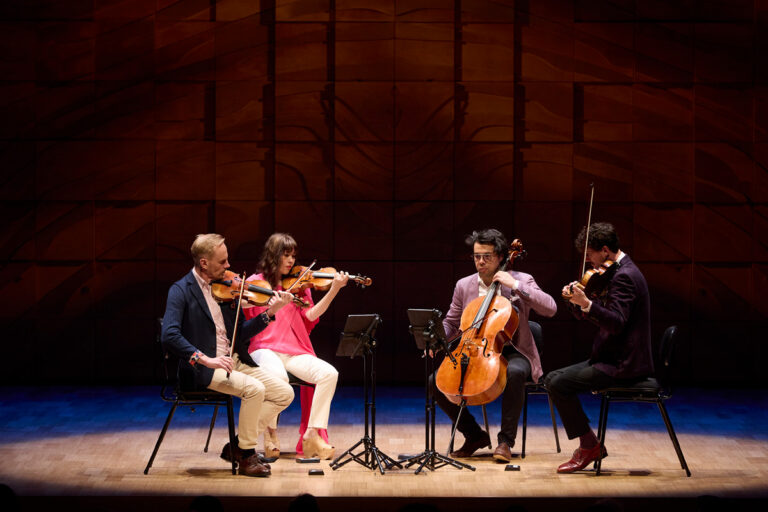
Writer and musician Sally Melhuish is an Artisitic Director of Salut! Baroque, which presents Invitation to the Dance on 24 April, at Wesley Church, Forrest, ACT, and on 26 April in the Verbrugghen Hall, Sydney Conservatorium of Music.







Comments
Log in to start the conversation.