A major new UK study has found that regular engagement with the arts and cultural activities may slow biological ageing at a level comparable to physical exercise, providing what researchers describe as the first evidence linking arts participation to epigenetic ageing.

The study, led by researchers at University College London and published in the journal Innovate Age, analysed data from 3,556 adults in the long-running UK Household Longitudinal Study.

Researchers examined seven “epigenetic clocks” – biological measures based on DNA methylation patterns that estimate how quickly the body is ageing compared with chronological age. While exercise has previously been linked to healthier ageing, arts and cultural engagement had never before been studied in relation to epigenetic ageing.
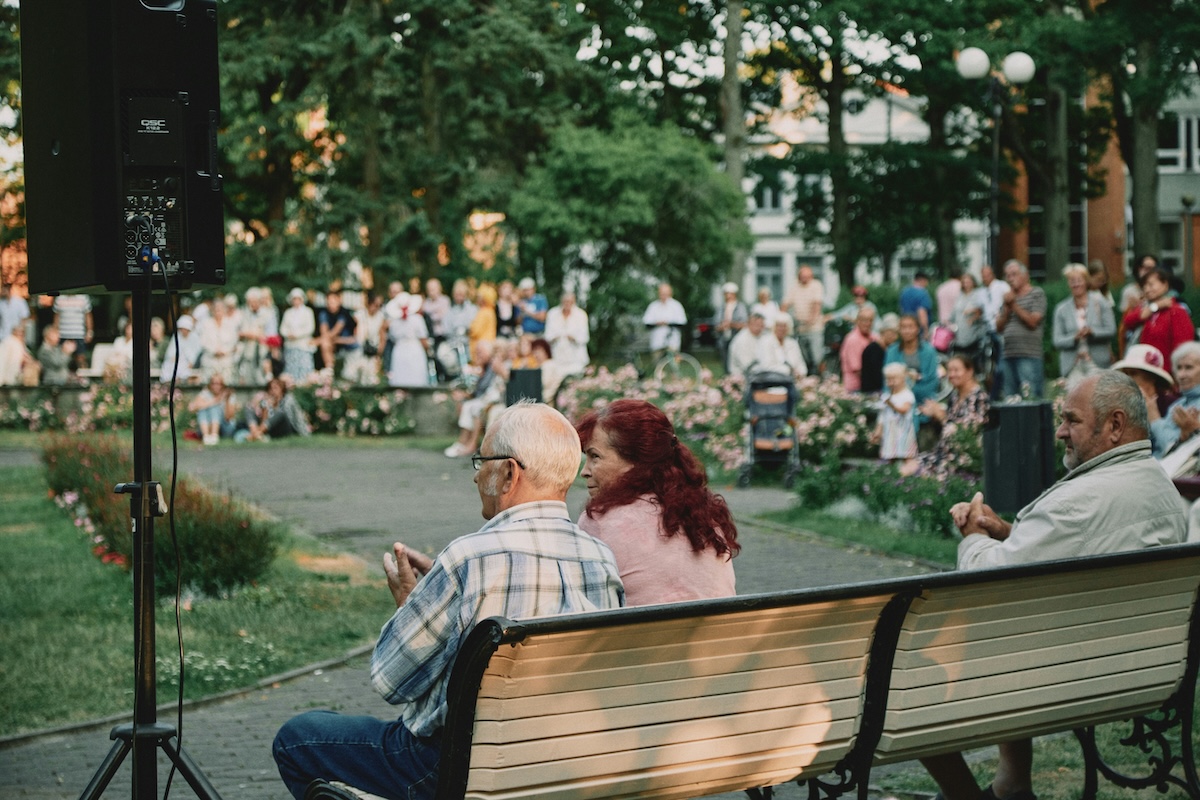
Photo © Joonas Sild/Unsplash

The findings showed that both arts engagement and physical activity were associated with slower ageing on several second- and third-generation epigenetic clocks, including PhenoAge, DunedinPoAm and DunedinPACE. The associations were strongest among adults aged 40 and over.

Participants who engaged in arts and cultural activities weekly showed biological ageing around one year lower on the PhenoAge clock than those who took part once or twice a year. Similar effects were observed for physical activity.

The study assessed a wide range of cultural activities, including singing, dancing, painting, photography, attending exhibitions and performances, visiting museums and heritage sites, and using libraries or archives.

Lead author Daisy Fancourt said the findings positioned arts engagement as a potentially important health behaviour alongside exercise.

“Our study provides the first evidence that arts and cultural engagement is related to epigenetic ageing, with magnitudes comparable to physical activity,” the researchers wrote.

The study also found that variety mattered as much as frequency. People who participated in a broader mix of cultural activities showed slower biological ageing than those with limited engagement.

Researchers suggested the benefits may stem from reduced stress, increased social connection, cognitive stimulation and lower inflammation levels – all mechanisms previously associated with healthier ageing.

Importantly, the associations remained even after accounting for factors including smoking, alcohol use, body mass index, socioeconomic background and pre-existing illness.

However, the researchers cautioned that the study was observational and relied on self-reported leisure habits, meaning it could not conclusively prove causation. They also noted ongoing scientific debate about the precision of epigenetic clocks and the best ways to measure biological ageing.

Nonetheless, the authors argued the findings strengthen the case for including arts and cultural participation in public health strategies aimed at extending healthy lifespan, particularly as ageing populations place increasing pressure on health systems.


Get our free weekly round-up of music, arts and culture.