




Rhoda Roberts, the Bundjalung woman who became one of the most influential cultural figures in contemporary Australia – spanning theatre, broadcasting, festivals and national ceremony – has died aged 66, leaving a legacy that reshaped the visibility and authority of First Nations voices across the country’s cultural life.
Roberts grew up between Sydney and Lismore, on Bundjalung Country. Her family history was steeped in activism: her grandfather, Frank Roberts, was involved in the Aborigines Progressive Association, while her father, Frank Roberts Jnr, campaigned for land rights and was active in the movement leading to the 1967 Australian referendum. Raised amid both political struggle and strong cultural identity, she would later draw on this inheritance to forge a career that fused art with advocacy.
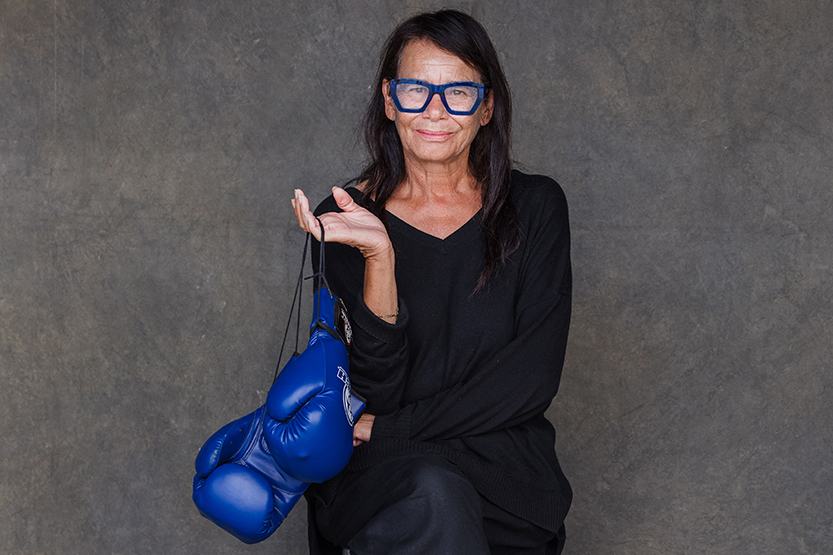
Rhoda Roberts (1959-2026)
Her early ambitions of journalism were thwarted by racism, and she initially trained as a nurse, working in Australia and overseas, including London and India. But on returning to Sydney, she pivoted to the performing arts – a decision that would reverberate across decades of Australian cultural life.
In 1987, Roberts co-founded the Aboriginal National Theatre Trust, helping to galvanise a new era of Indigenous theatre-making. She also claimed a place in broadcasting history, becoming one of the first Aboriginal presenters on prime-time television through SBS programs such as First In Line and Vox Populi. Across radio and television, including long-running work with Vibe Australia and ABC Radio National, she was a tireless advocate for First Nations storytelling.
Her influence extended to the nation’s largest stages. As Indigenous cultural adviser for the Sydney 2000 Olympic Games, she shaped the “Awakening” segment of the opening ceremony, embedding Indigenous narratives at the heart of a global event. She founded the Festival of the Dreaming in 1997 – later evolving into the Dreaming Festival – and directed major cultural programs from the Garma Festival to Sydney’s New Year’s Eve celebrations.
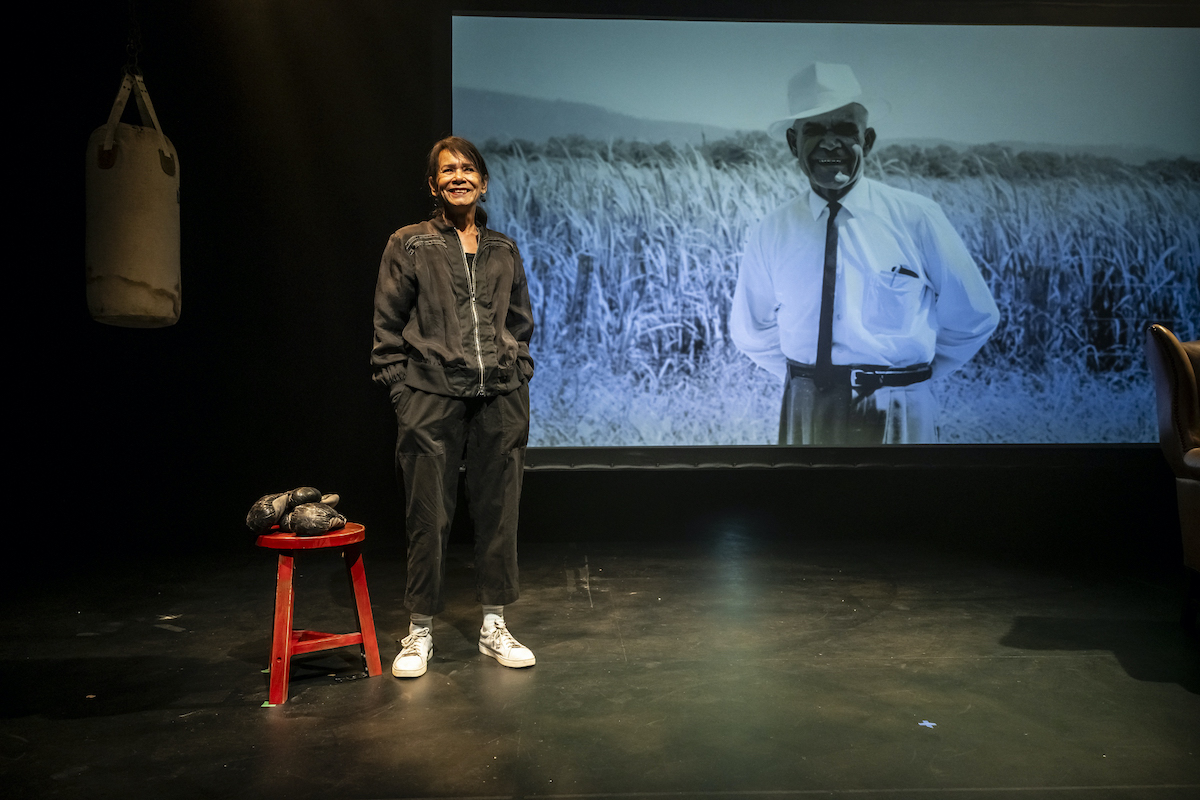
Rhoda Roberts in My Cousin Frank. Photo © JT Garvie
In 2012, Roberts was appointed head of Indigenous programming at the Sydney Opera House, a role created for her and held until 2021. There she launched initiatives such as Homeground and oversaw landmark projects including the illumination of the Opera House sails with Indigenous art. Through these works, she transformed one of the world’s most recognisable cultural institutions into a platform for First Nations voices.
Her stage career was equally varied, from performances in Louis Nowra’s Radiance and her own solo works to directing opera and large-scale productions. Late in life, she returned to deeply personal storytelling with My Cousin Frank, tracing her family’s history and the broader arc of Aboriginal experience.
Roberts also served on numerous boards, from the Sydney Opera House Trust to the Yothu Yindi Foundation, and was appointed an Officer of the Order of Australia in recognition of her service to the arts and Indigenous community.
Throughout her life, she championed cultural protocol and respect, notably advancing the now widespread practice of Welcome to Country. She was widely regarded not only as an artist and administrator, but as a custodian of knowledge and community.
Roberts’ passing marks the loss of a formidable cultural leader whose work insisted that Indigenous stories be seen, heard and celebrated at the centre of Australian life.





Comments
Log in to start the conversation.