




Siobhan Stagg has been based in Berlin for some time now and travels the world for a living, but she still makes a point of coming back to Australia every season.
“It’s always a pleasure to come back. It’s such an important part of my origin story; where I grew up, where I studied music. I always want to keep that connection going and alive,” Stagg tells Limelight.
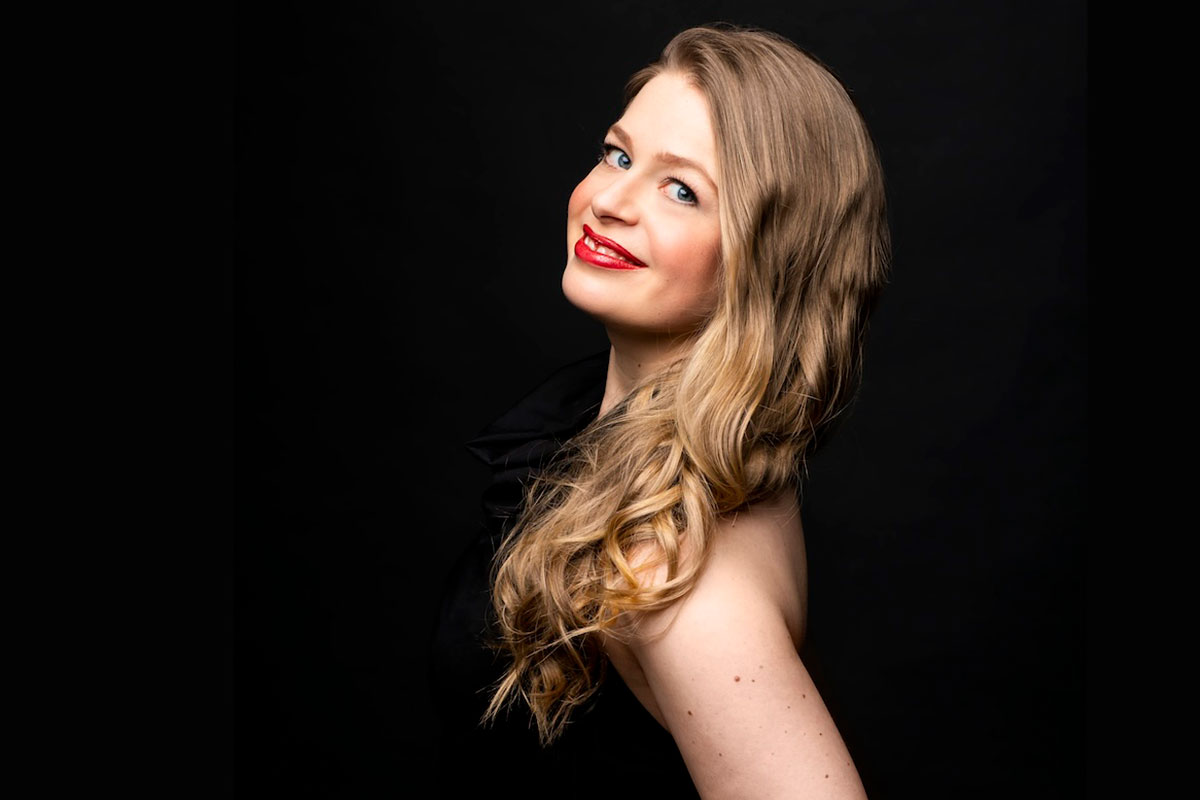
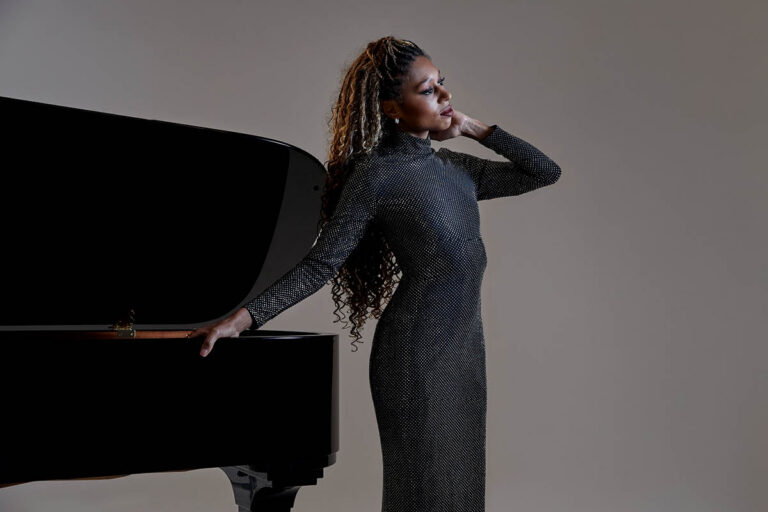
Siobhan Stagg. Portrait supplied
And for this visit, Stagg has plenty on: an Opera Gala for Hunters Hill Music; a duo recital at QPAC; a piano, strings and voice program at Melbourne Recital Centre; and UKARIA’s Chamberfest – all sandwiched between a tour of Germany and a string of appearances in China, with each leg featuring a different setlist. The sheer amount of repertoire seems intimidating, but Stagg takes it on breezily – all par for the course for an international operatic star.
The most unusual part of this trip, instead, is something else: Stagg is curator for Chamberfest this year, where she’s crafted five different interconnected programs. The invitation came from UKARIA CEO Alison Beare around 15 months ago, and Stagg was “immediately buzzing with possibilities”.
“I’ve had so much more creative agency in putting together programs, and I’ve been able to invite some of my favourite collaborators from my life here in Europe and get to show them Australia, so it’s a really lovely new perspective. I’ve done a lot of reassuring that the animals in Australia are not as dangerous as the YouTube algorithm has led them to believe.”
Stagg will be the first vocalist to head the curation of Chamberfest, and this year’s program is informed by her unique relationship with her instrument – what can a singer bring to the curation table that an instrumentalist can’t?
“A singer’s voice is inside their body. It’s completely intrinsic to your being and your identity. I was thinking a lot about the purpose of music and why we need it in society, and that’s distilled across the five programs.”
Origins, Stagg’s program with pianist Jonathan Ware, opens this year’s Chamberfest and also arrives in Sydney, Brisbane and Melbourne (in part, to make room for French string quartet Quatuor Agate). The two developed it during COVID, and since then, it’s only “gotten richer”, honed on grand stages including Wigmore Hall and Pierre Boulez Saal.
Tracing through various creation stories embedded in music spanning from Hildegard von Bingen to Brett Dean, Origins explores music’s role as timekeeper and history-maker, says Stagg; a “marker of time and events, from sociopolitical events or creation stories”, with Fauré’s Chansons d’Eve as its centrepiece.
“Chansons d’Eve reframes the genesis story through the eyes of Eve. She opens her eyes for the first time and God invites her to name everything that she sees. She’s given such agency, and I find it quite beautiful; there’s a lot of knowledge that we have now about how giving something a name, like emotions, helps us to process things.”
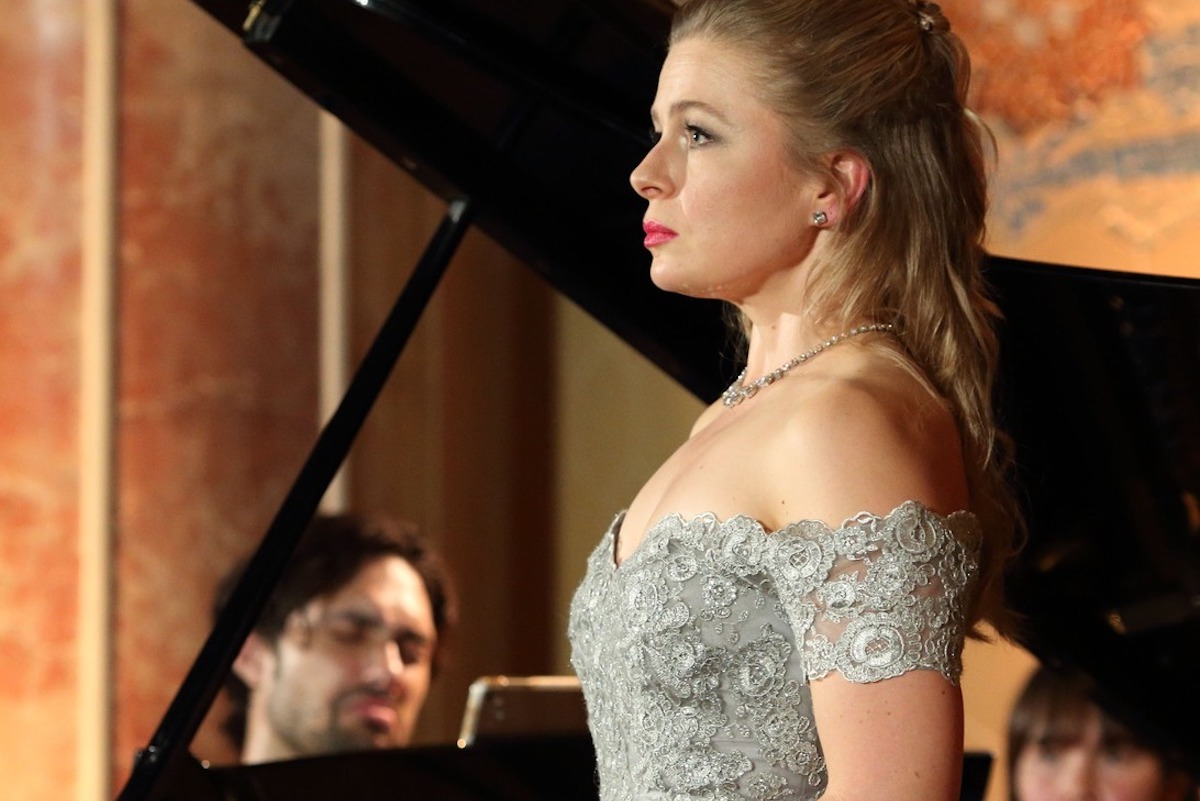
Siobhan Stagg. Photo supplied
As it’s grown, Stagg has also added some light staging to Origins, something that she’s been allowing herself to do lately.
“Something changes, I think, in your mid-30s where you start to just have a bit more confidence with trying things like that on stage. I started to shed this student mentality of having to do the right thing and started to realise that I’m allowed to have my own ideas. It’s nothing drastic; they’re just little impulses, but I think that they do bring the recital to a different level.”
Origins features a candle (a convincing fake – “people don’t like having open flames near Steinway pianos”), some movement, and something special brought over from Brett Dean’s orchestral score into this chamber arrangement.
“The Brett Dean piece calls for the choir to play little music boxes. When that happens en masse while the orchestra’s playing, you can’t really hear the melody, but you just hear a beautiful sparkly, twinkly, metallic sound. We decided to just bring that effect into the recital.”
Chamberfest’s Concert Two, Dead Poets Society, views “music as storyteller, and how we can shape a story with colour and emotion to more effectively take people on a journey”, says Stagg. It’s an eclectic assortment – in pianist Rachel Fenlon’s part of the program, Radiohead’s Everything in its Right Place blends with works by Hugo Wolf and Franz Schubert.
“Rachel is a brilliant Canadian soprano and pianist who lives in Berlin. She’s extraordinary; she plays piano to such a high level that she can accompany her own lead recitals. I’d love for Australia to discover her.”
Concert Three, The Mighty and Mundane, is music as “philosopher and maybe light provocateur”, featuring Kurtág’s Kafka Fragments, while Concert Four is music as “empathy-builder and bias-breaker”, with a new song cycle from Anne Cawrse and Anna Goldsworthy and several Aussie works composed for Katie Noonan and the Brodsky Quartet’s album, With Love and Fury.
“I grew up in Mildura, in country Victoria, surrounded by a lot of contemporary music, pop music, musical theater, whatever was playing on the radio. It wasn’t until I went to Melbourne University that I really became immersed in higher classical music. I love what Katie Noonan does; she bridges these two worlds between pop-folk and classical music, and I find the music just very engaging and beautiful.”
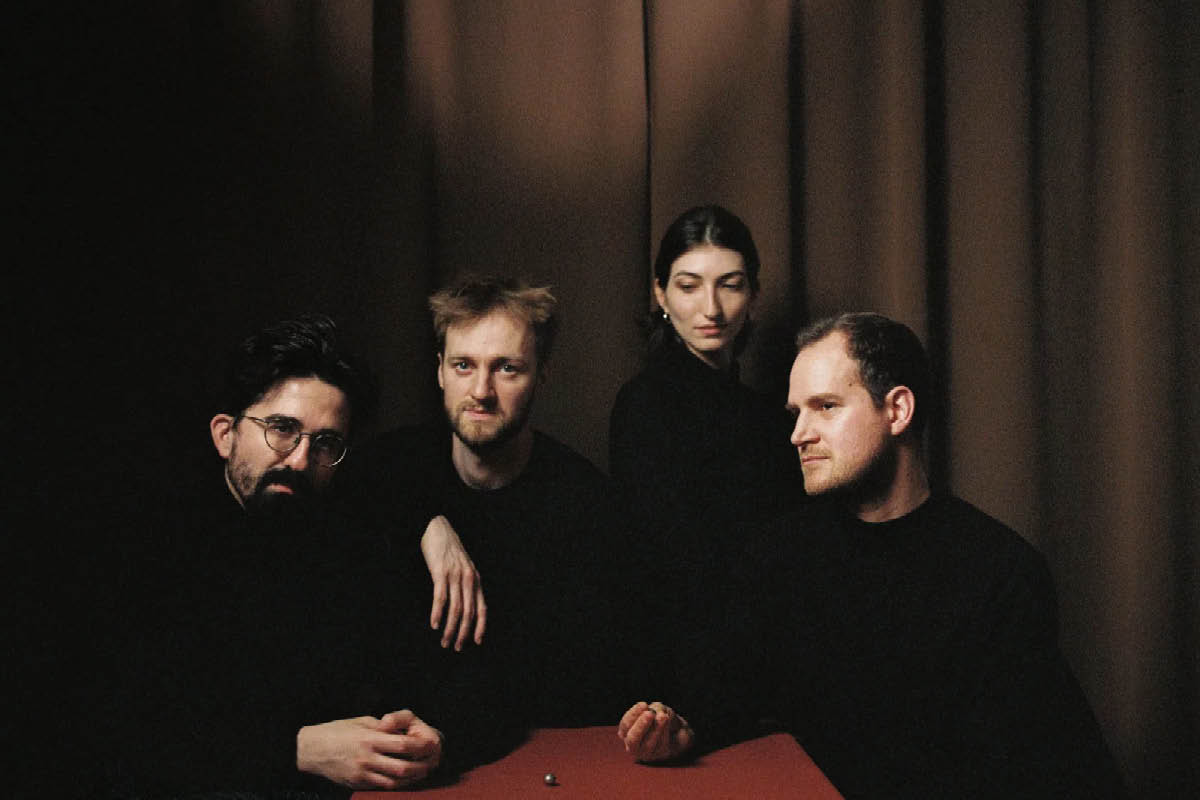
Quatuor Agate. Photo supplied
For those two concerts, she works with Quatuor Agate, who also joins her at at Melbourne Recital Centre. Stagg first met the quartet in 2019 Festival d’Aix-en-Provence and was later “blown away” by the depth of their playing at a concert in Barcelona.
“They made a Ligeti piece sound like pop music. I could just see the structure. They had done all the work that made it so hearable, these messages and the shapes inside it.”
Concert Five, finally, is music as resplendence, pure enjoyment. Stagg calls it a “really lush ending”: Mahler, Korngold, Berg; Strauss’s Vier Ietzte Lieder (Four Last Songs) and Rosenkavalier Trio.
Strauss’s Four Last Songs are perhaps Stagg’s favourite work on the Chamberfest program. She’s performed it around the world with symphony orchestras, but this chamber arrangement by Perth composer James Ledger “particularly feels like coming home”.
“It’s a work that’s been in my life for probably 15 years now. I sang this arrangement at ANAM when I was still a student for my farewell concert as well before I moved to Europe, and it’s lovely to come back to that kind of rawer, purer, intimate setting. It particularly feels like coming home.”
Chamberfest runs from 2–4 October at UKARIA, Mt Barker, South Australia.
Siobhan Stagg performs at Melbourne Recital Centre on 6 October, QPAC on 7 October, and Hunters Hill Music, Sydney, on 10 October.








Comments
Log in to start the conversation.