




As a Greek Orthodox Christian, my attempt in writing Thy Mystical Names has been to capture an aspect of the mystical approach of Eastern Orthodoxy. This is not an attempt to define the nature of God, but rather to suggest something of how we approach the Divine mystery, and how we understand our communion with Him. In the Orthodox tradition, theology is not abstract theory, but a lived experience: a knowledge inseparable from love, with the highest knowledge found not in grasping, but in letting go, not in “knowing” but in “unknowing”.
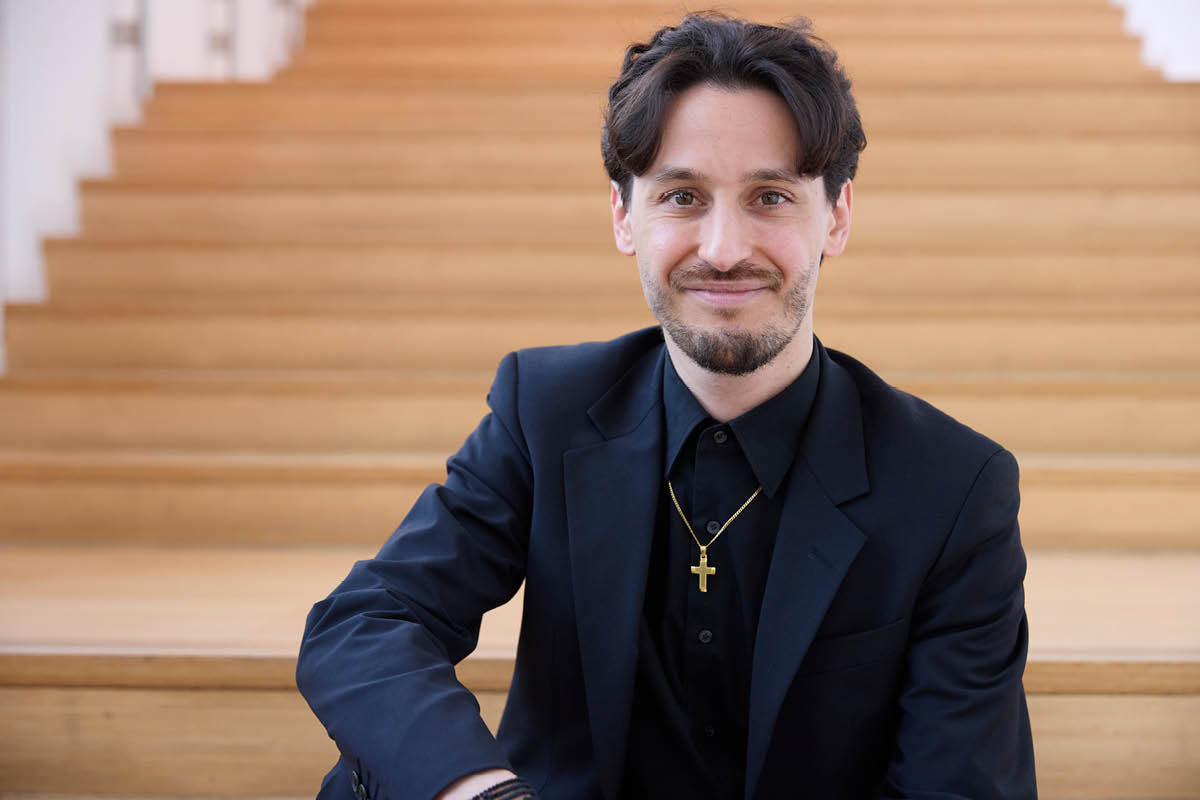
Klearhos Murphy. Photo © Laura Manariti
This paradox is illustrated most emphatically in the mystical language of St. Dionysius the Areopagite, who makes use of the meanings and connotations associated with light and darkness. It can be tempting to see these as opposites locked in conflict, but for St. Dionysius, light and darkness belong together. He describes God as the “Overflowing Radiance” which illuminates “with its fullness every mind above the world, around it, or within it…” And yet, the initiate set on partaking in this Divine radiance must, according...
Continue reading
Get unlimited digital access from $4 per month
Already a subscriber?
Log in




Comments
Log in to start the conversation.