





The Australian Brandenburg Orchestra returns in 2027 with a six-series season built around international collaborations, Australian premieres and the continuing musical archaeology of its founding Artistic Director Paul Dyer.
The season ranges from Mozart’s Requiem and Handel’s Music for the Royal Fireworks to works unearthed from European archives, with three international artists slated to make their Australian debuts.
It was to have been four, admits Dyer. Italian percussionist Simone Rubino, who was to headline the opening series Rubino Plays Vivaldi, was forced to cancel because of a serious health issue affecting an immediate family member.
“We can’t help but be disappointed,” says Dyer. “Simone and I have been talking for four years now – that’s how long it takes to make something happen in our space – but I really respect him for prioritising his family, even if it does mean a few sleepless nights for me!”
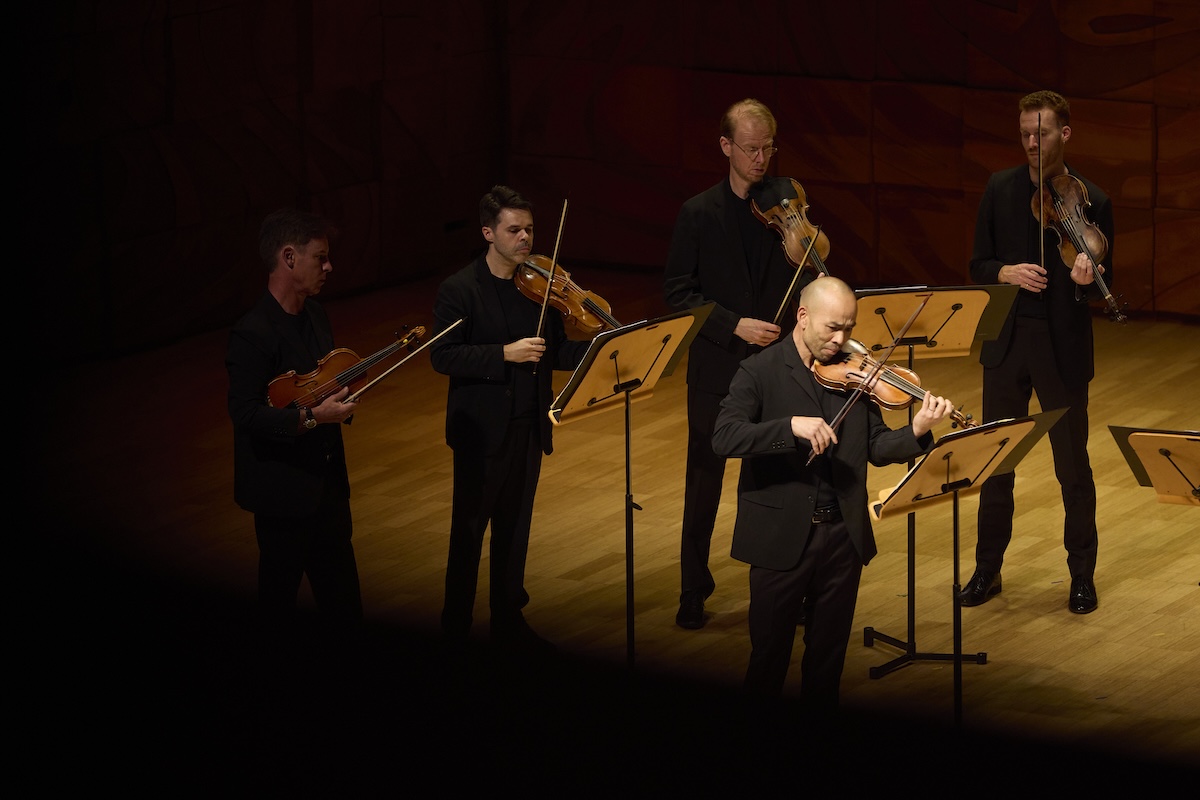
Shaun Lee-Chen and musicians of The Australian Brandenberg Orchestra. Photo supplied
But all is well. Dyer’s burning of the midnight oil has resulted in an intriguing new season opener for the ABO in Seven Sins (17–23 February at City Recital Hall, Sydney; 25–28 February at Melbourne Recital Centre), which sees charismatic young mime artist Marcel Cole – fresh from critically acclaimed performances at the Edinburgh Fringe and on London’s West End – join the Orchestra and Choir for a program that will bring the Seven Deadly Sins to life through the music of Dowland, Purcell and Biber and Cole’s brilliantly mischievous physicality.
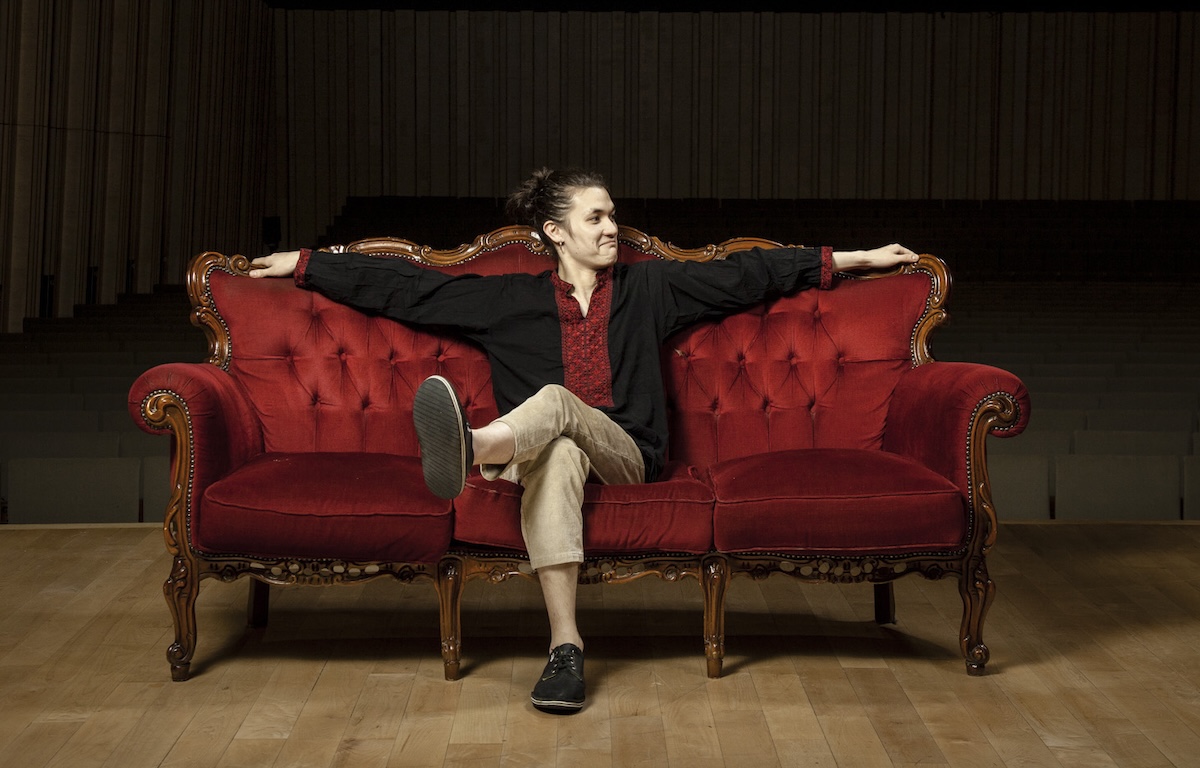
Augustin Lusson. Portrait supplied
The second series, Pardon My French (City Recital Hall, Sydney, 21–24 April; Melbourne Recital Centre, 29 April–2 May; QPAC, Brisbane, 4 May), sees French-Japanese violinist Augustin Lusson step in as guest director. Lusson describes himself as an “anti-soloist”, preferring to lead from within an ensemble rather than occupy the conventional position of the star soloist.
The program takes its title from Lusson himself and explores the cultural traffic of Baroque Europe, bringing together music by Handel, Corbet, Avison, Geminiani and Leclair.
For Dyer, the idea of musical borders is more than a clever title. Lusson’s French and Japanese background, and his instinctive movement between cultures, prompted Dyer to think about the way musicians have always crossed geographical and cultural boundaries.
“He’s very fluid with his personality, and that comes from his background,” Dyer says.
Lusson was born in France to parents who perform on period instruments, while his mother is Japanese. He has maintained a close connection with Japan throughout his life, travelling there regularly with his sister.
Dyer sees a parallel with the Baroque period itself, when composers and performers moved between European centres, borrowed freely from one another and established careers far from their places of birth.
“It’s about permanent residents, it’s about expats and visitors, it’s about musical migrants, and it’s about open borders with people of talent,” he says.
The result is a program in which national labels become increasingly porous, with Handel alongside Italian and French composers whose careers similarly crossed borders.
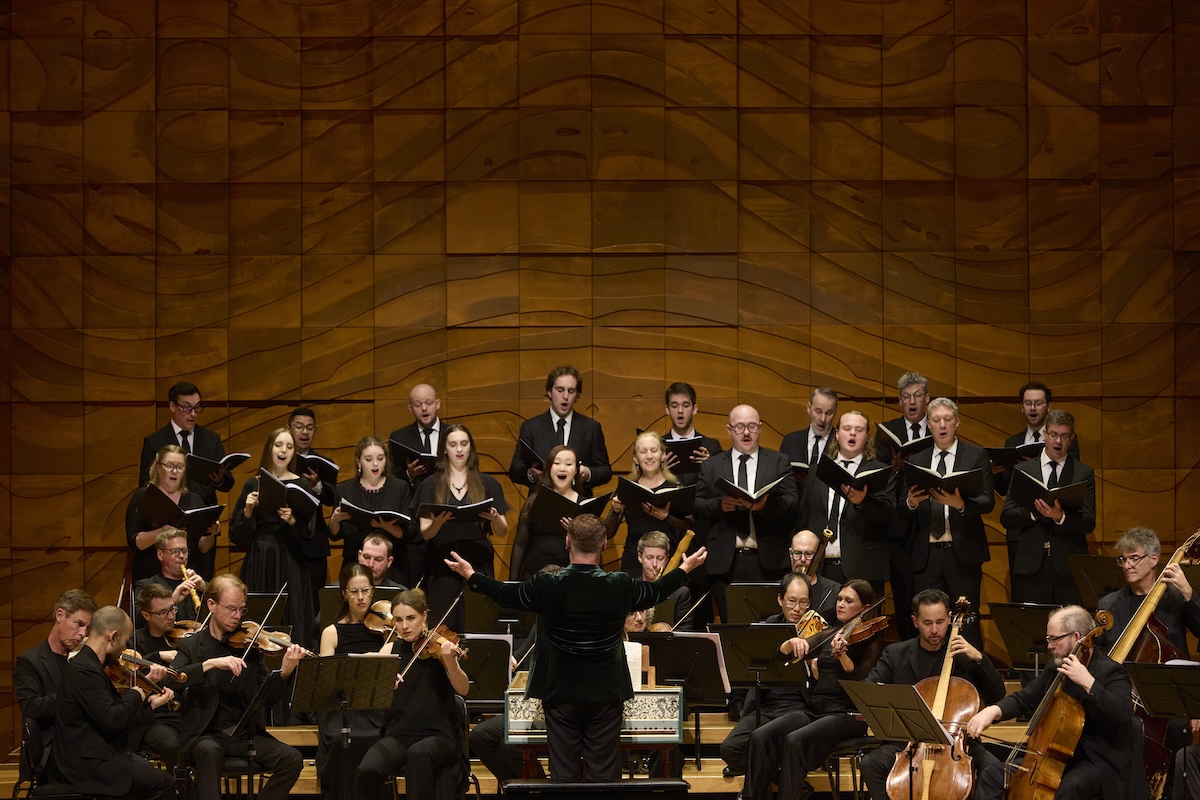
Paul Dyer leads the Australian Brandenburg Orchestra and Choir. Photo © Keith Saunders
June brings the Brandenburg’s third performance of Mozart’s Requiem, combining the orchestra and Brandenburg Choir with four Australian soloists drawn from the ensemble’s alumni.
Dyer is approaching the work differently this time. Rather than emphasising its traditional associations with darkness and death, he has invited Yaron Lifschitz, artistic director of Circa Contemporary Circus and a long-time collaborator, to help stage the performance.
“I want the feeling that death is something that we see as a darkness thing, but I want to project a different feeling,” Dyer says. “I want to project a feeling of beauty and warmth and emotion.”
The production, which opens at City Recital Hall, Sydney, on 16 June and Melbourne Recital Centre on 24 June, will use theatrical elements, although it will stop short of becoming a fully theatrical presentation. Dyer says Lifschitz’s role is to find a physical language for the music and its emotional world.
The program will also open with Mozart’s Concerto for Flute and Harp, featuring period flute player Melissa Farrow and harpist Hannah Lane.
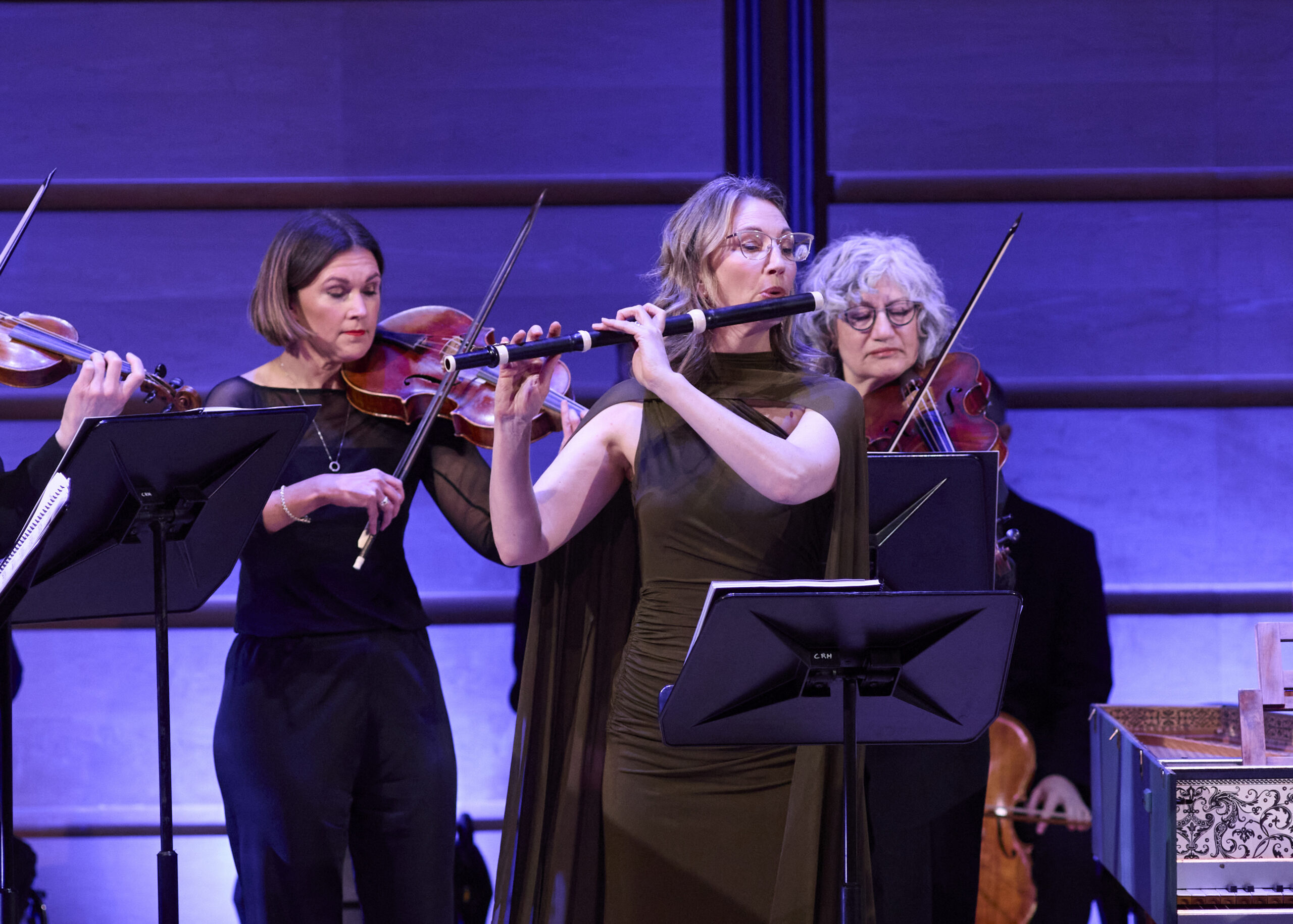
Melissa Farrow and the Australian Brandenburg Orchestra. Photo Keith Saunders
August’s Handel’s Fireworks (Melbourne Recital Centre from 12 August; City Recital Hall Sidney from 18 August and QPAC, Brisbane in 26 August) is the result of the decades that Dyer and the Brandenburg have spent in European libraries, monasteries and private collections, seeking music that has fallen out of the repertoire.
The program will include several Australian premieres alongside a showcase for Brandenburg concertmaster Shaun Lee-Chen – Handel’s Music for the Royal Fireworks, a vivid evocation of the entertainment culture of London’s Vauxhall Gardens.
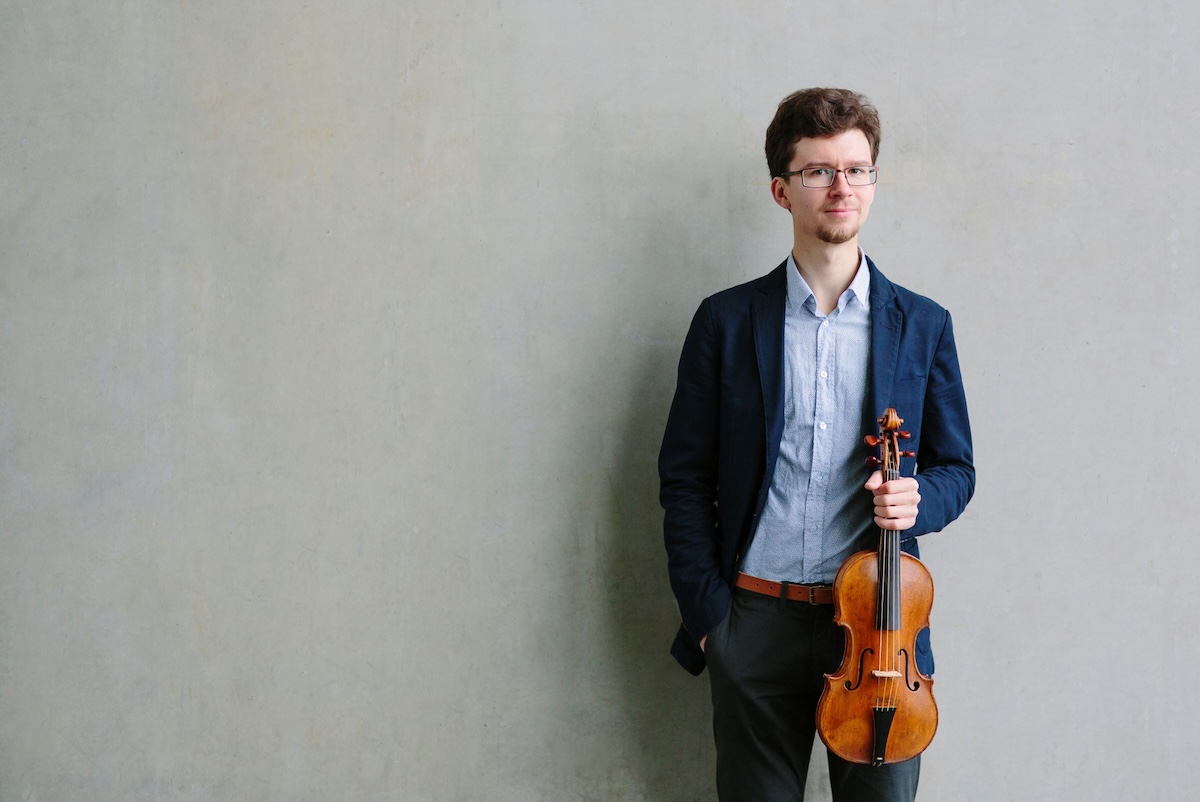
Evgeny Sviridov. Portrait supplied
In October, Australian Brandenburg presents Baroque Masters, featuring Russian-born, Germany-based violinist Evgeny Sviridov in his Australian debut. Sviridov is concertmaster of Concerto Köln and has established a reputation as a specialist in German Baroque repertoire.
His program (Melbourne Recital Centre, 7 October; City Recital Hall, Sydney, 13 October) includes Bach, Telemann and Heinichen, alongside an Australian premiere from Dresden’s famed Schrank II Collection, an archive of around 1800 works by almost 200 composers. Dyer has been mining it for repertoire that can bring a different dimension to familiar Baroque programming.
“There are five pieces of music on the program that have never been heard in Australia before,” he says.
Sviridov’s guest directorship is an important one. Dyer sees international musicians not simply as star attractions but as a means of bringing new ideas, techniques and approaches to the Australian players.
“I realised how important that was to bring trends and information, whether it be as singers or instrumentalists or creatives … to bring that information not only for the audience to enjoy, but also to help the artists on stage grow continually.”
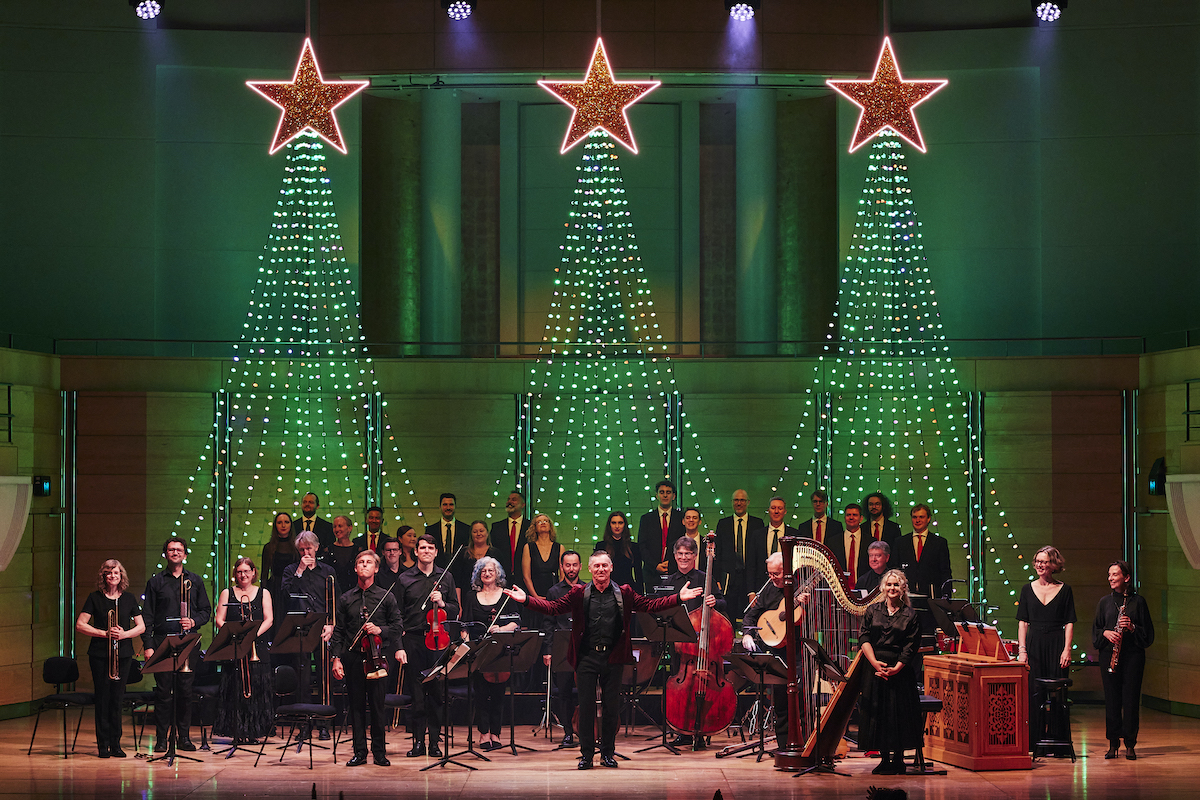
Australian Brandenburg Orchestra’s Noel! Noel! Photo © Keith Saunders
The year concludes in its now-traditional style with Noël! Noël!, the Brandenburg’s long-running Christmas concert of choral music, festive carols, joyful instrumental works and seasonal gems from across the centuries.
Beyond the main series, the Brandenburg’s wider role continues. The orchestra’s Young Artist Program is now operating as a two-year initiative, with six emerging musicians from six Australian states selected from 93 applicants. They receive masterclasses and individual tuition from Brandenburg players, while the orchestra continues its work in hospitals, aged care and regional communities.
For more information on the Australian Brandenburg Orchestra in 2027, visit brandenburg.com.au





Comments
Log in to start the conversation.