




Former Sydney Symphony cellist Nathan Waks is part of an experimental blockchain-based model that could reshape how rare musical instruments are owned, financed and preserved, offering fractional stakes in his 18th-century Italian cello to a global pool of investors and patrons.
The initiative, developed with creative studio OCTARR, centres on what is being described as “tokenised fractional ownership” – a system that divides a single instrument into 100 blockchain-backed shares. Each token represents a 1 per cent ownership stake in Waks’ c.1740 Carcassi cello, valued at approximately US$500,000.
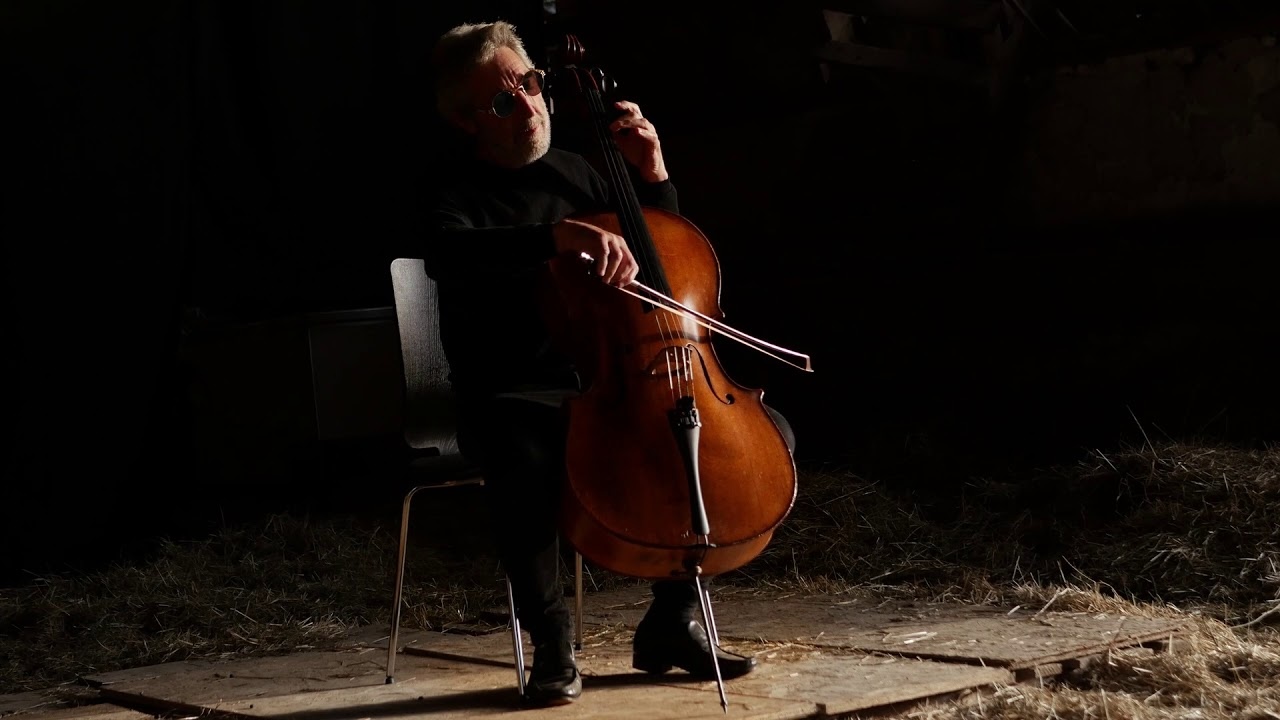
Nathan Waks. Photo supplied
Under the model, buyers purchase digital tokens authenticated on blockchain, with ownership governed by smart contracts. The physical instrument itself remains in circulation – rather than being held in private storage, it will be loaned to the winner of the inaugural Classic Cello International Competition, held at the Royal College of Music in London, for a minimum of two years.
Waks, 75, said the project was motivated by a desire to secure the instrument’s future as a performing object rather than a collectible asset. “This instrument has been my companion for decades. What matters most is that it continues to live on stage.”
The cello, believed to have been crafted in Florence around 1740 and attributed to the Carcassi brothers, has been part of Waks’ performing life for more than four decades. Its provenance includes ownership links to the prominent British firm W.E. Hill & Sons and the English-born Australian cellist James “Jimmy” Whitehead.
The instrument has been appraised by leading expert Florian Leonhard, who is also overseeing its ongoing care through a dedicated fellowship responsible for maintenance, insurance and custodianship.
While fractional investment has precedents in art and luxury assets, the addition of blockchain-backed ownership and guaranteed performance use is being positioned as a first within the classical music sector. Proponents say the approach addresses longstanding concerns about the fate of rare instruments, which can disappear into private collections when sold outright. By distributing ownership and embedding resale rights and provenance data on-chain, OCTARR claims it can ensure both transparency and continuity of use.
Each token is priced at €3,770, with payments accepted in multiple currencies including cryptocurrency. While individual investors may purchase single shares, the model also allows for a single buyer to acquire all tokens, albeit without immediate physical control of the instrument during its loan period.





Comments
Log in to start the conversation.