




US cellist and composer Joshua Roman has turned one of the most difficult experiences of his life into a project that now promises to help others living with Long COVID.
Roman has been named a recipient of the 2026 Renée Fleming Neuroarts Investigator Awards, receiving a $25,000 grant alongside research partner Dr Elizabeth Bast to investigate whether music can ease the lingering symptoms of the condition.
Their study will focus on veterans with Long COVID and compare the effects of different forms of musical engagement, including live interactive performances, livestreamed sessions and self-guided recorded listening.

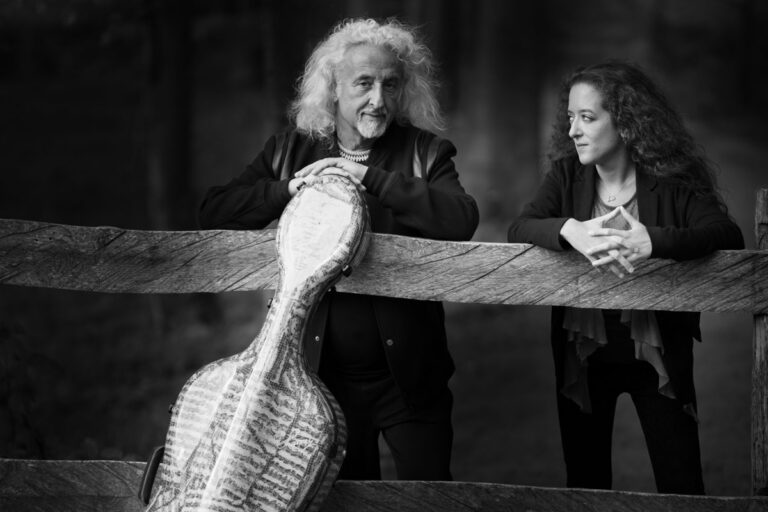
Joshua Roman. Photo supplied
The project places Roman at the centre of a growing field known as neuroarts, which explores how creative practice can affect the brain, body and overall health. Named for celebrated soprano Renée Fleming, the awards support early-career collaborations between researchers and artists, with the aim of bringing the arts further into mainstream medicine and public health.
For Roman, the work is deeply personal.
In early 2021, the American musician contracted a severe case of COVID-19. Rather than a conventional respiratory illness, the virus...
Continue reading
Get unlimited digital access from $4 per month
Already a subscriber?
Log in







Comments
Log in to start the conversation.