




The growing use of recorded music in ballet productions risks normalising the replacement of live musicians across Australia’s performing arts sector, the Media, Entertainment & Arts Alliance (MEAA) has warned.
The union’s Musicians for SA and NT campaign says audiences in Adelaide have seen productions by major ballet presenters, including West Australian Ballet (its South Australian performances of Dracula) and The Australian Ballet’s touring program, rely on recorded soundtracks rather than live musicians within the past year. The Australian Ballet On Tour has also used recorded music for performances in Adelaide, Alice Springs and Darwin.
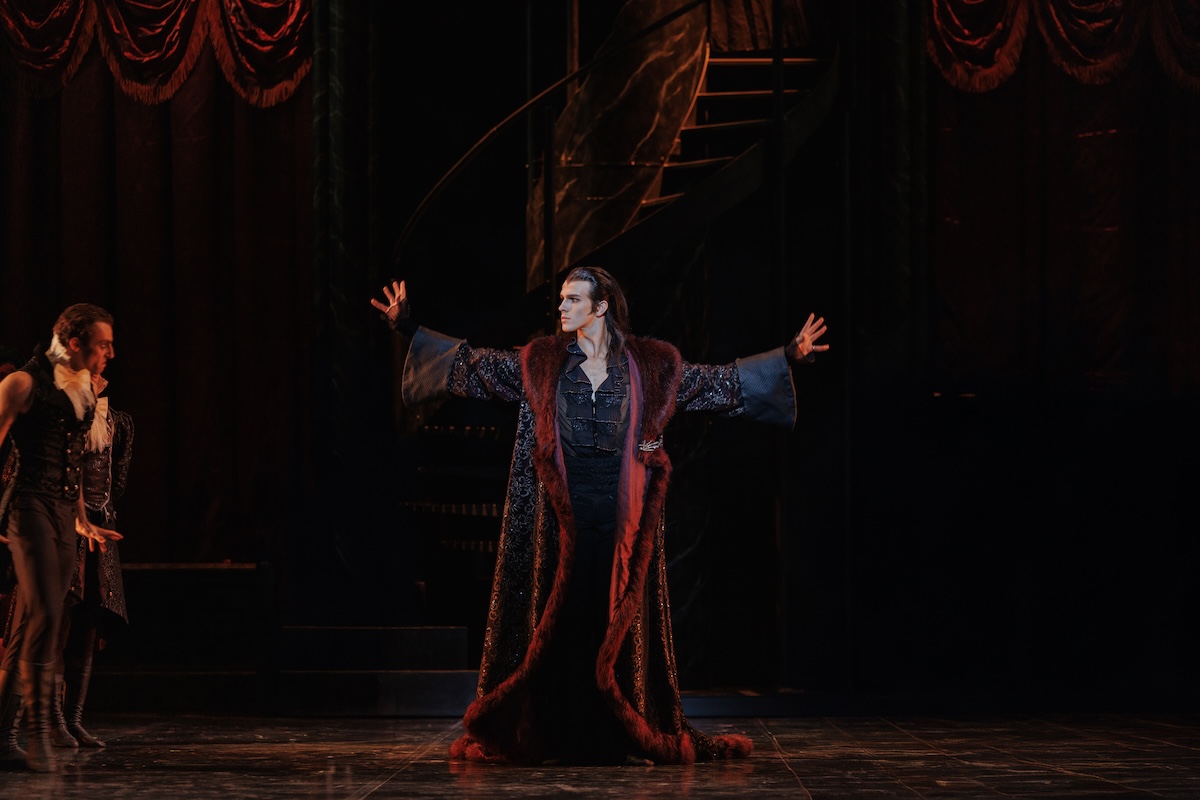
Charles Dashwood in West Australian Ballet’s Dracula. Photo © Jonathan VDK
MEAA President for Musicians for SA and NT Lachlan Bramble said the trend threatened both musicians’ employment opportunities and the artistic relationship between music and dance.
“The relationship between live music and live dance is not incidental to ballet. It is one of the defining features of the art form,” Bramble said.
“The collaboration between dancers and musicians creates performances that are responsive, dynamic and unique. Recorded music cannot replicate that artistic exchange.”
MEAA’s Keep Music Live campaign is calling on producers and publicly funded arts organisations...
Continue reading
Get unlimited digital access from $4 per month
Already a subscriber?
Log in





Comments
Log in to start the conversation.