





Queensland Symphony Orchestra will mark its 80th anniversary in 2027 with a season spanning nearly five centuries of music, including a complete Beethoven symphony cycle, eight new Australian commissions and the final season of Chief Conductor Umberto Clerici.
The 2027 program will also feature collaborations with Brisbane’s Dead Puppet Society, Pasifika music with New Zealand’s Signature Choir, film music and live screenings, regional touring and a renewed focus on contemporary composers and the musicians of the orchestra itself.
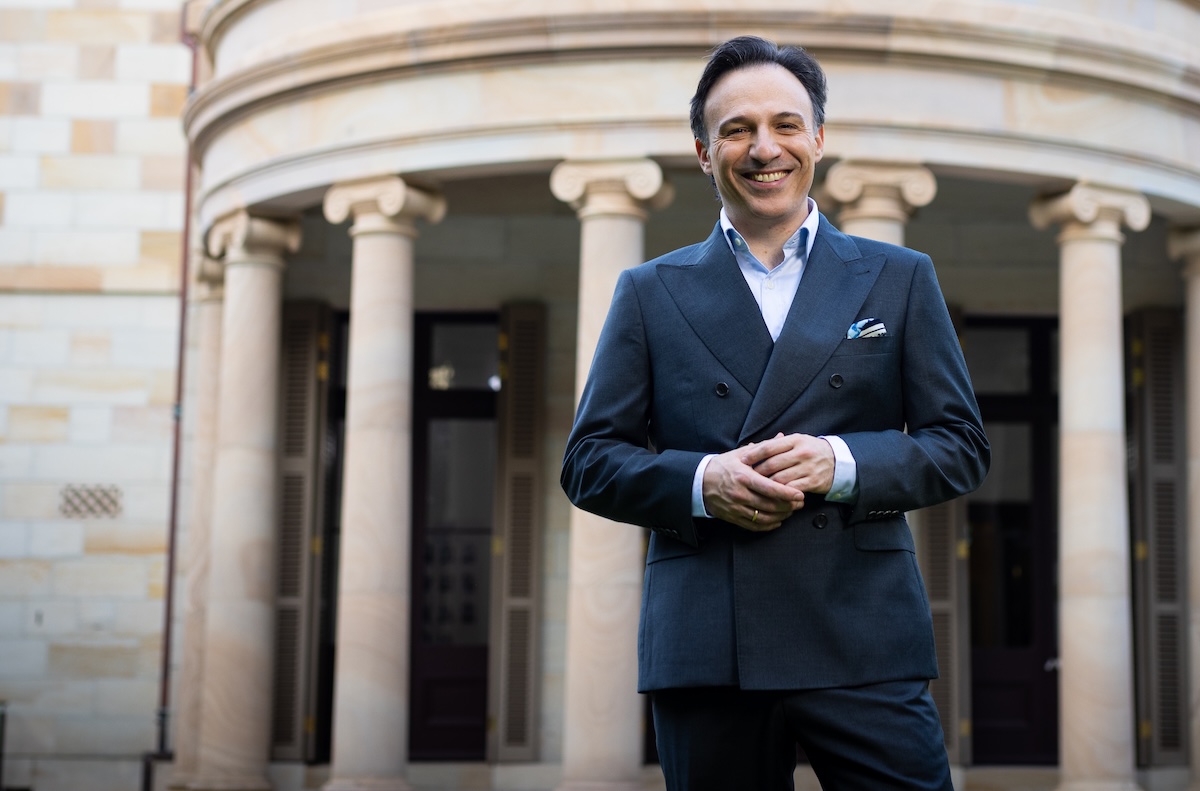
Umberto Clerici. Portrait supplied
For Clerici, who will conclude his tenure as chief conductor at the end of 2027, the anniversary season also provides an opportunity to close several circles.
His first appearance with QSO as a guest conductor seven years ago featured Beethoven’s Symphony No. 6. The following season, during the early stages of the COVID-19 pandemic, he stepped in at short notice to conduct Stravinsky’s The Firebird Suite, helping establish a relationship that ultimately led to his appointment as Chief Conductor.
The Beethoven connection will now return in his final season, with QSO performing all nine symphonies across three weeks spread throughout the year, marking 200 years since the composer’s death.
“When I came here for the first time as a guest seven years ago, Beethoven Six was my first concert, and it’s nice that it is in my last season, too.”
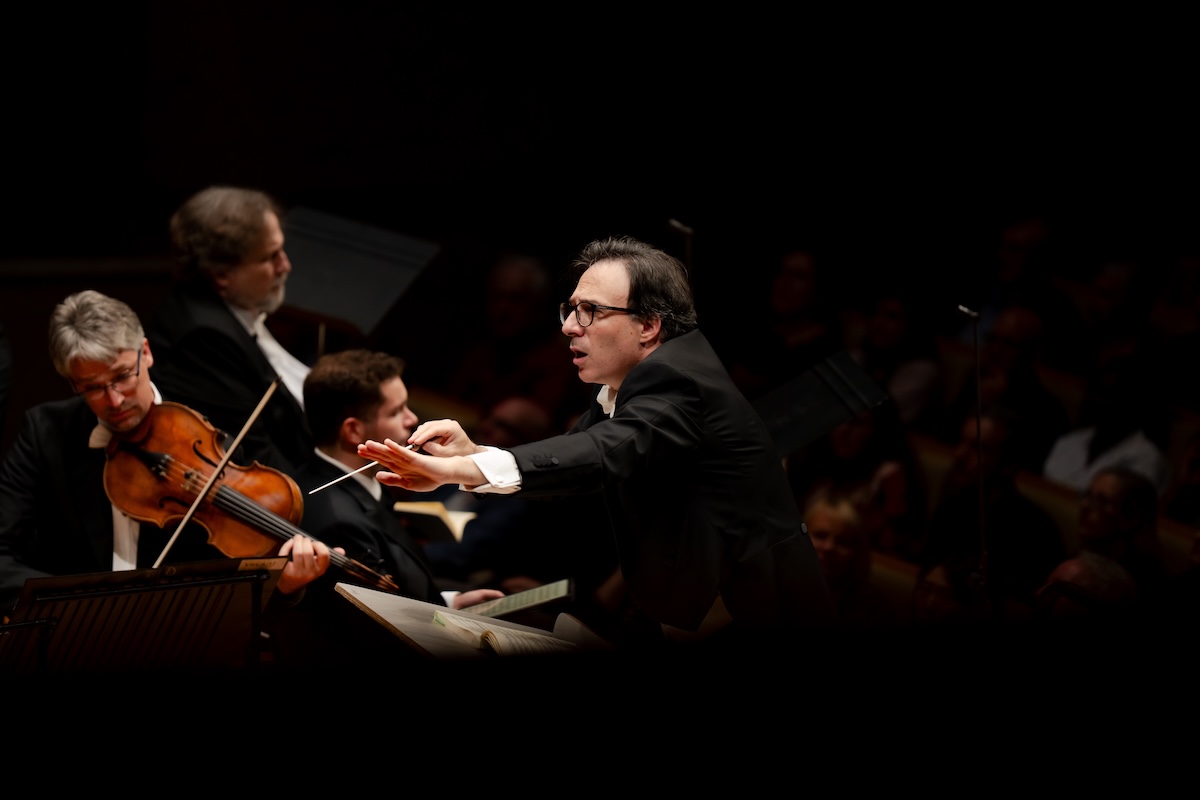
Umberto Clerici conducts the QSO. Photo © Sam Muller
The Beethoven cycle, which begins with QSO airing Symphonies Nos. 1 and 3 on 12 March in the QPAC Concert Hall, will include works by contemporary composers whose music has been influenced by Beethoven. These include Unsuk Chin, whose Subito con forza takes its title from one of Beethoven’s favoured performance directions, creating a dialogue between the historical repertoire and music being written today.
“So many composers of the present have written pieces strongly influenced by Beethoven. It shows how admired and revered he still is,” Clerici says.
“And I like that we have different genres of composer, different nationalities and different ages. It actually gives perspective, because often we play contemporary music without linking it to the repertoire of the past, or we do the repertoire of the past without actually linking it to what we are nowadays.”
That conversation between old and new runs through much of the season.
QSO will commission eight new works from five composers, while music by 13 living composers will be performed across the program. In total, 61 composers are represented.
The season opens on 19 February with QSO 80, featuring John Adams’ Harmonielehre in celebration of the American composer’s 80th birthday, alongside Shostakovich’s Violin Concerto No. 1 with the stellar violinist Ilya Gringolts.
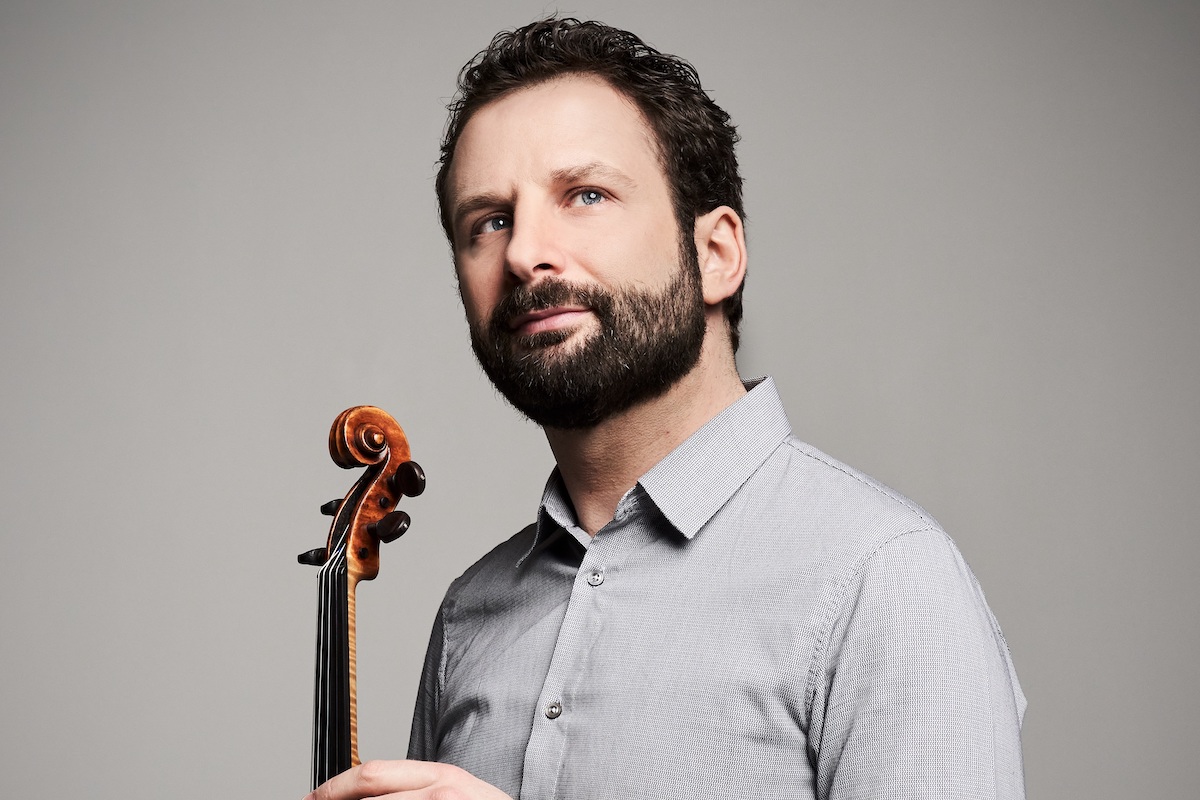
Ilya Gringolts. Photo © Kaupo Kikkas
Across the season, the Maestro Series also features Sibelius’ Finlandia (9 and 10 April), Wagner/Maazel’s The Ring Without Words (14 and 15 May), Shostakovich’s Symphony No. 9 (18 and 19 June) and Mahler’s Symphony No. 2 (27 and 28 August), in a concert also featuring soprano Siobhan Stagg.
The Mahler is “one of my personal highlights”, Clerici says, having conducted much of the composer’s symphonic output during his QSO tenure.
The 80th anniversary itself will be celebrated on 6 and 7 August in QSO 80: Anniversary Gala, which brings together music from the orchestra’s first concert in 1947, Wagner’s Tannhäuser overture, with works by contemporary composers Joseph Twist, Mathew Hindson and William Barton.
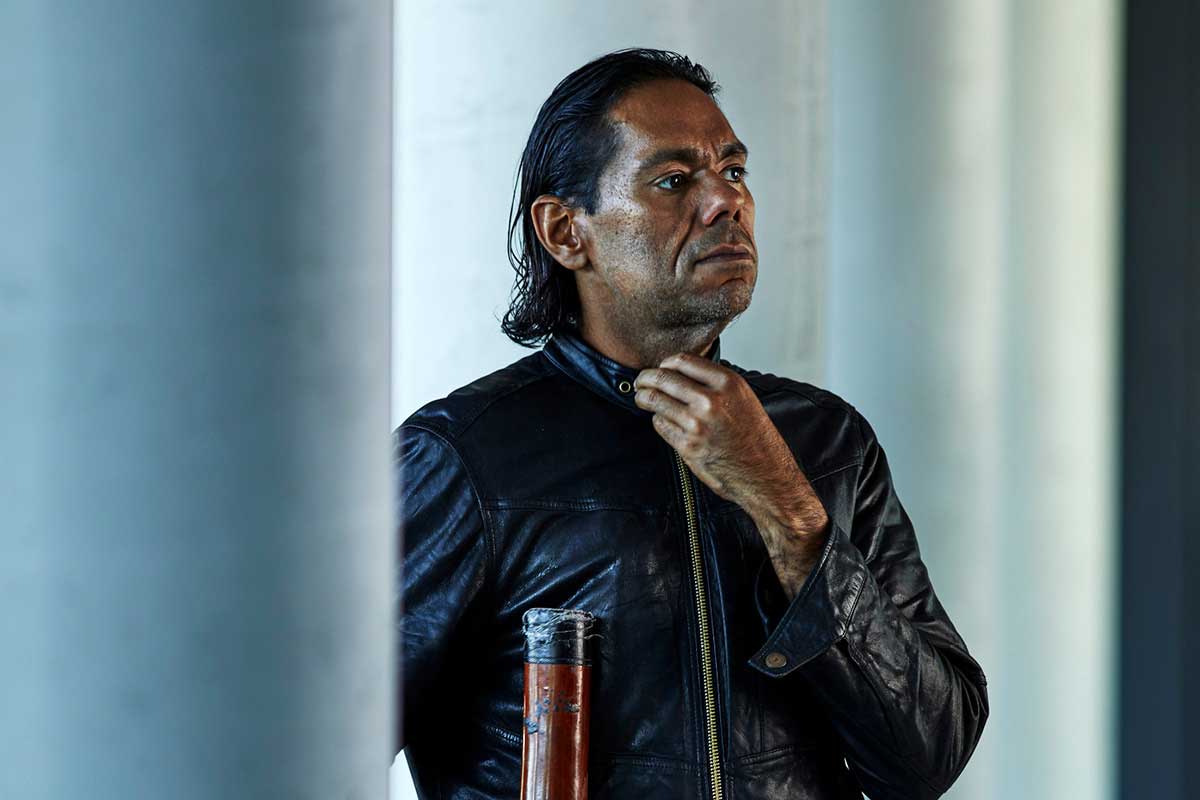
William Barton. Photo © Keith Saunders
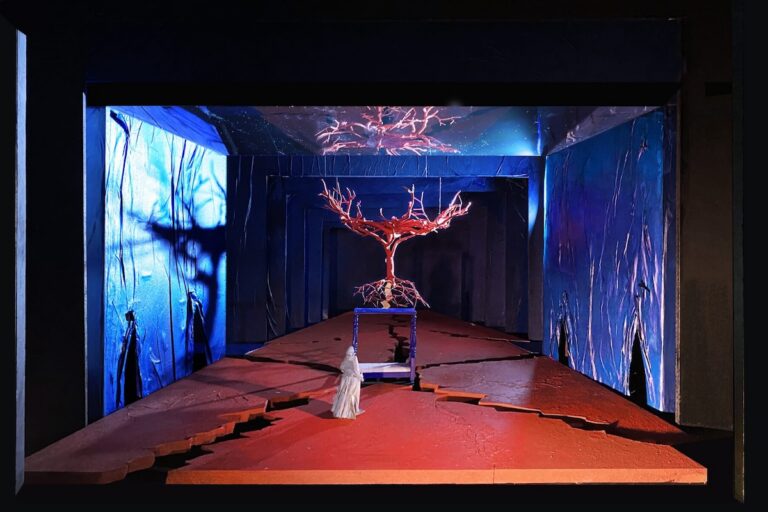
Brisbane’s Dead Puppet Society will bring live puppetry to Stravinsky’s Petrushka – in its 1947 version. Barton will appear as soloist in Kalkadungu (co-written with Hindson), which Barton played in Clerici’s inaugural concert as Chief Conductor. Another circle closed.
For Clerici, the collaboration with Dead Puppet Society completes a trilogy of large-scale cross-artform projects during his QSO tenure. Two years ago, QSO opened its season with Stravinsky’s The Rite of Spring in collaboration with the Brisbane physical theatre company Circa.
“I wanted to finish the triptych with Petrushka,” Clerici says. “Petrushka is about three puppets, so that was kind of easy!”
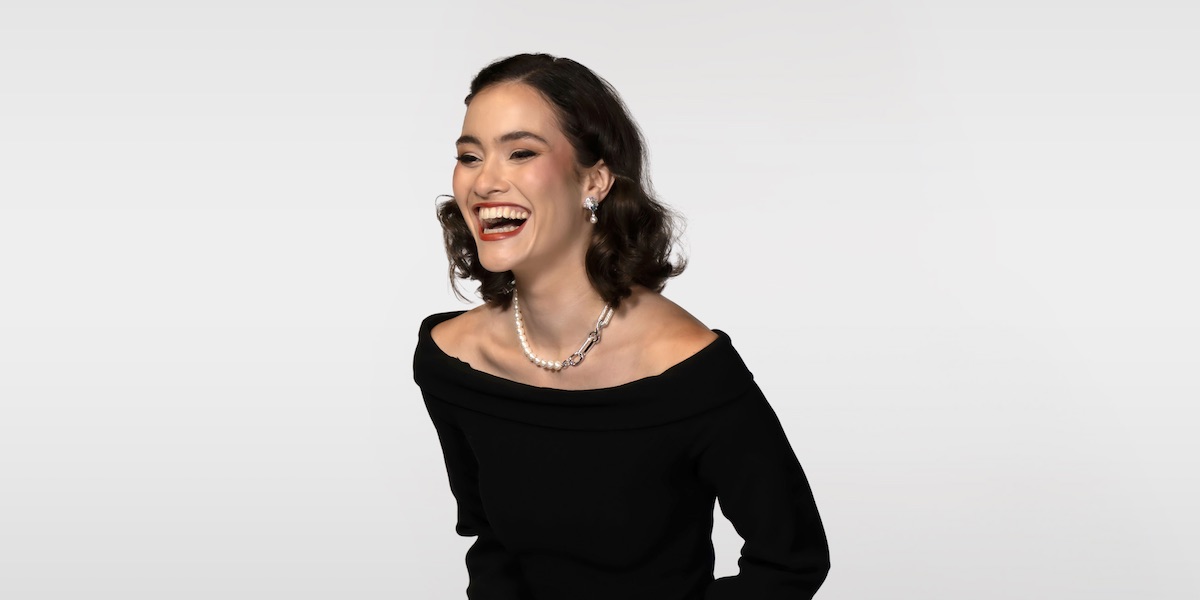
Nina Korbe. Photo © Stephen Henry
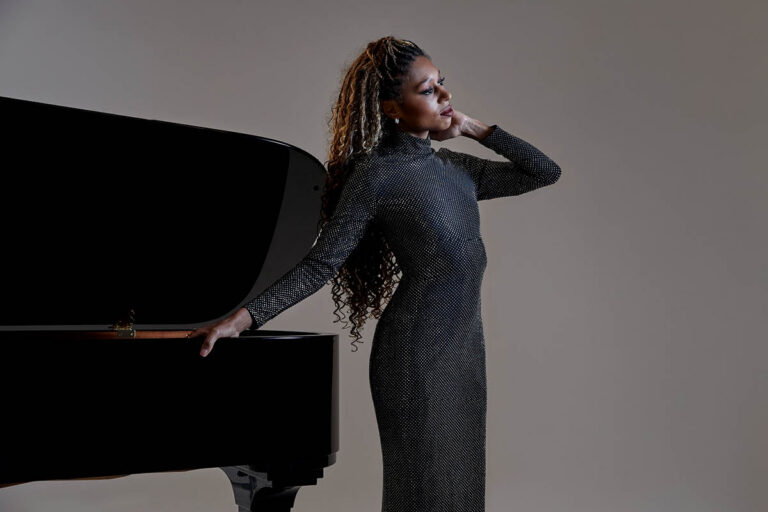
First Nations work is strongly represented. Soprano Nina Korbe, a proud Koa, Kuku Yalanji and Wakka Wakka woman, will take up QSO’s reinstated Artist-in-Association role in 2027. Her appearances will range from Handel’s Messiah and Holst’s The Mystic Trumpeter to contemporary repertoire in the October Cinematic program.
Another major collaboration, Mana Moana, will bring together gospel, classical and traditional Pasifika musical styles with New Zealand’s Signature Choir.
“Queensland is home to the largest Pasifika population in Australia, so it’s a very special and important program,” says QSO’s Director of Artistic Planning, Matthew Wood.
“Mana Moana is about the ocean as a symbol of connection and heritage, using song and music to explore the powerful relationship that is shared across the Pasifika cultures. It’s a very powerful and fun show; anyone who comes will be on their feet, singing at the top of their voices.”
The QSO’s popular Stage & Screen program returns to the Brisbane Convention & Entertainment Centre, including Maestro of the Movies: A Tribute to John Williams, while QSO at the Movies will present live orchestral screenings of Star Wars: A New Hope and How to Train Your Dragon 2.
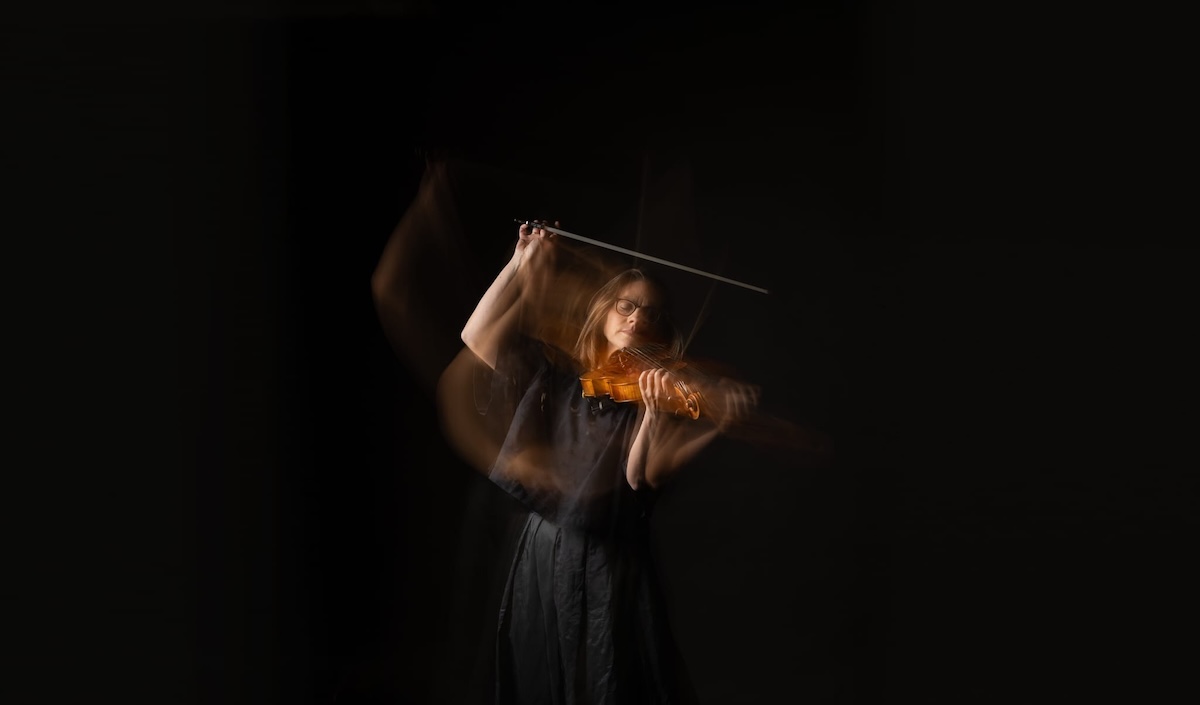
QSO Portraits. Photo supplied
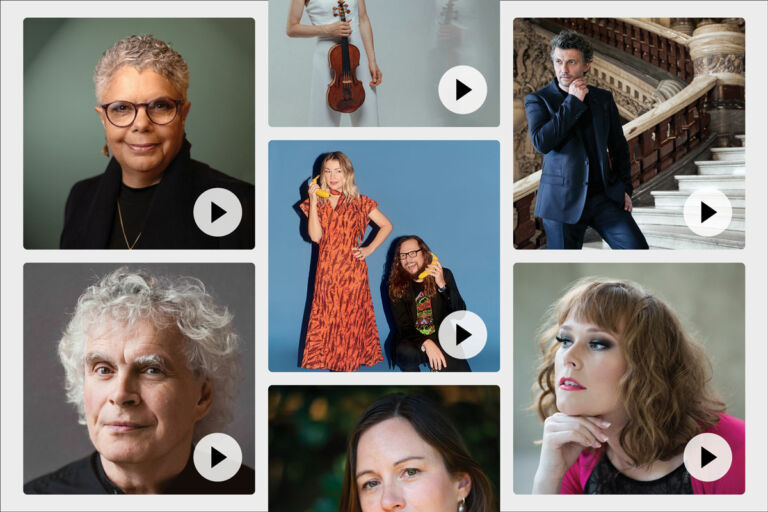
QSO’s own musicians will feature as soloists in the Portraits series, while the Music on Sundays and Studio Sessions programs will return, and QSO at the Queensland Conservatorium will continue its focus on emerging and local talent.
Regional touring will take the orchestra to Charleville, Chinchilla, Gladstone, the Gold Coast, Mackay, Miles, Roma, Tara, Townsville and Toowoomba, alongside education programs and opportunities for young musicians through the QSO Academy, Compose, Young Instrumentalist Prize and SidebySide.
Clerici believes that the breadth of his final season reflects the changes within the orchestra during his tenure.
“When I arrived, every Maestro concert was only once played, and all the specials were not classical music specials,” he said. “I really pushed because also to have more audience, you need to have more opportunities for the audience to listen to an orchestra. So now all the Maestros are twice, and there are quite a lot of specials that are purely classical music.
“Basically, in these six years, we tripled the amount of classical music concerts that this orchestra does. That’s also very important for the development of the self.”
He also believes the orchestra itself has changed, particularly in its string sound, and says his experience at QSO has helped transform him from a cellist into a conductor with an international career.
“I changed quite a lot,” he said. “The orchestra really helped me with all this repertoire to really become a conductor.”
Clerici says he has also worked to change the work culture at QSO, encouraging musicians to see rehearsals as a process of opening possibilities rather than simply preparing a predetermined performance.
“I had the strong feeling when I started that they were expecting me to do all the decisions, but now I open doors and say tomorrow in the concert we can take this door or that door,” he said. “It becomes actually live performing and not just a pre-cooked meal.”
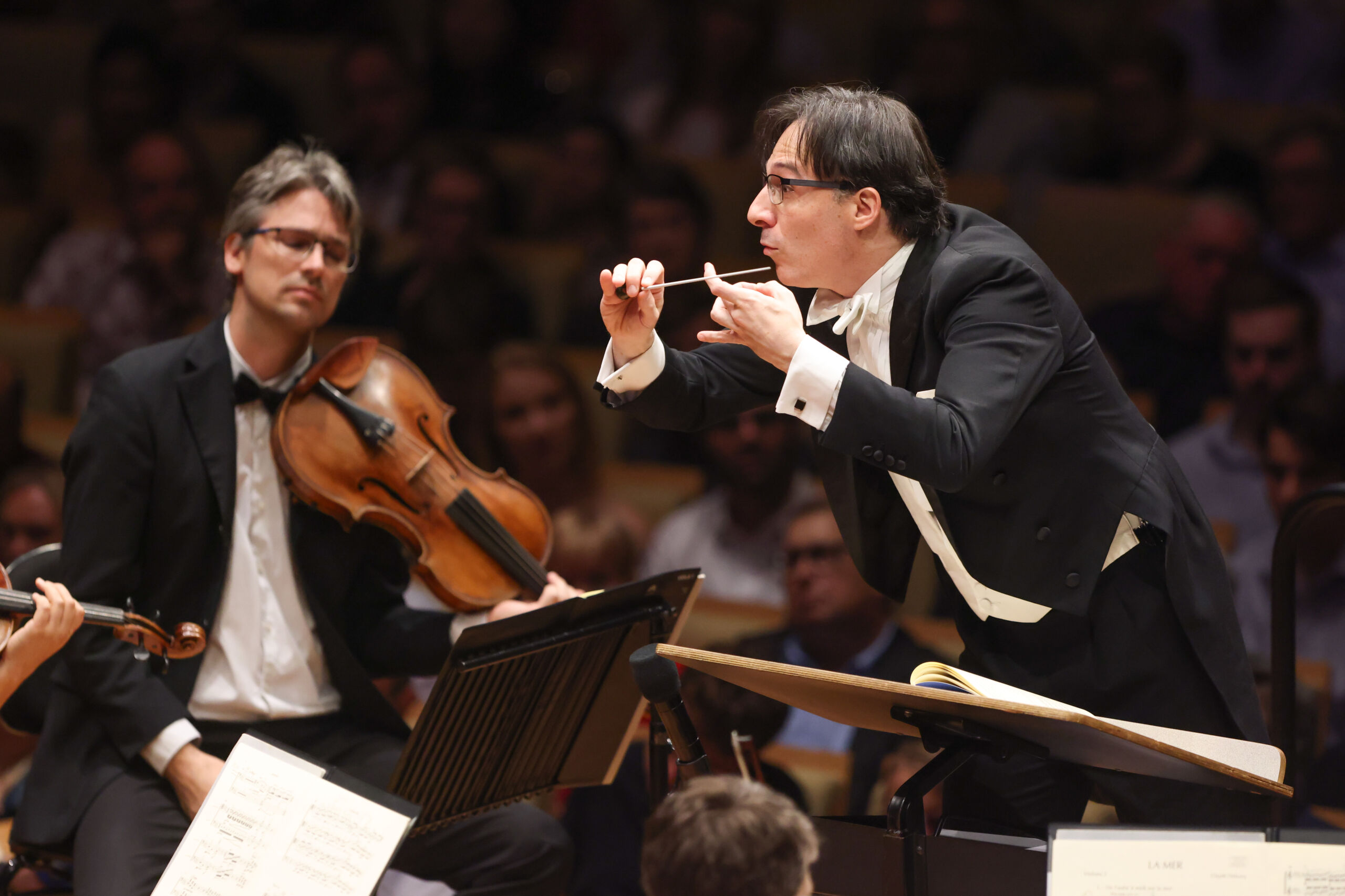
Umberto Clerici conducting the QSO in 2021. Photo supplied
Turning 80 is an important landmark, but the QSO’s relative youth – compared with European orchestras – remains an advantage, Clerici says.
“Tradition, in a way, kills part of the music because it becomes a fixed thing. Here you don’t have that so much. I think it’s an opportunity more than a limitation.”
For Clerici, the program is a culmination of everything he feels he has achieved in his role at QSO.
“We prepared the ground, planted the seeds, watered the plant, and now, we are enjoying watching the trees grow into a beautiful forest … It requires a lot of pushing to be adventurous in playing and programming, but to me, it’s the only way to offer audiences a deep, exciting experience.”
“Every time we play, we have to deliver something incredible and create these immersive experiences for our audiences, because people make an effort to come; the only way to justify that is to show them something special.”
QSO’s 2027 subscription packages go on sale from 9am AEST on 28 September, with individual tickets for selected concerts on sale from 9am AEST on 9 November. Visit qso.com.au





Comments
Log in to start the conversation.