





State Theatre Company South Australia will put Australian writers and local voices at the centre of its 2027 season, with six new Australian works among eight productions, including two Company commissions, two works by award-winning artists and two productions developed through the SPARK program.
Announced by Artistic Director Petra Kalive at Adelaide’s Her Majesty’s Theatre, the season ranges from a contemporary reimagining of an ancient Greek epic to a revival of Ray Lawler’s Summer of the Seventeenth Doll and a stage adaptation of South Australian author Pip Williams’ The Bookbinder of Jericho.
Kalive says the emphasis on Australian work emerged during the year-long process of developing the program rather than from a predetermined plan.
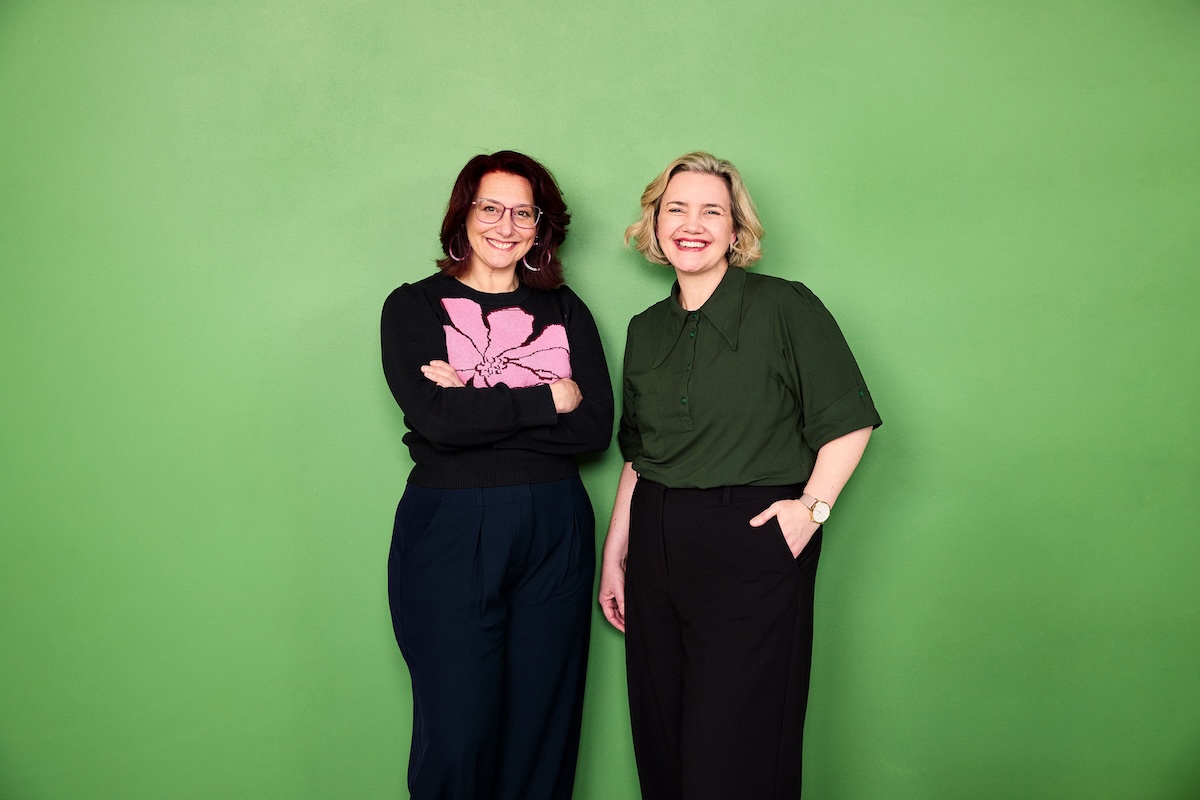
STCSA Artistic Director Petra Kalive and Executive Director Kath Fyffe. Photo © Claudio Raschella
“It kind of evolved over the year,” she says. “It’s not that international work wasn’t on my radar. I wasn’t considering it, but as the year progressed, I’m just thinking about works that spoke most urgently to the conversations we’re having culturally, and works that were going to really excite audiences.”
She says the strength of the Australian writing that emerged during the process was itself a reason to embrace the concentration of local voices.
“I just kept landing on Australian plays, and suddenly I had a season of mostly Australian writers, which was really exciting,” Kalive says. “It tells you something about where Australian writing is at, and how it’s going to resonate with audiences.”
The season also reflects Kalive’s interest in developing work in South Australia that can subsequently reach audiences beyond the state.
“I’ve always been a passionate advocate of Australia, the Australian voice, and new Australian work in particular,” she says. “What I’ve found in coming to South Australia is that we feel like the perfect crucible for presenting new Australian works that has the potential to tour the country.”
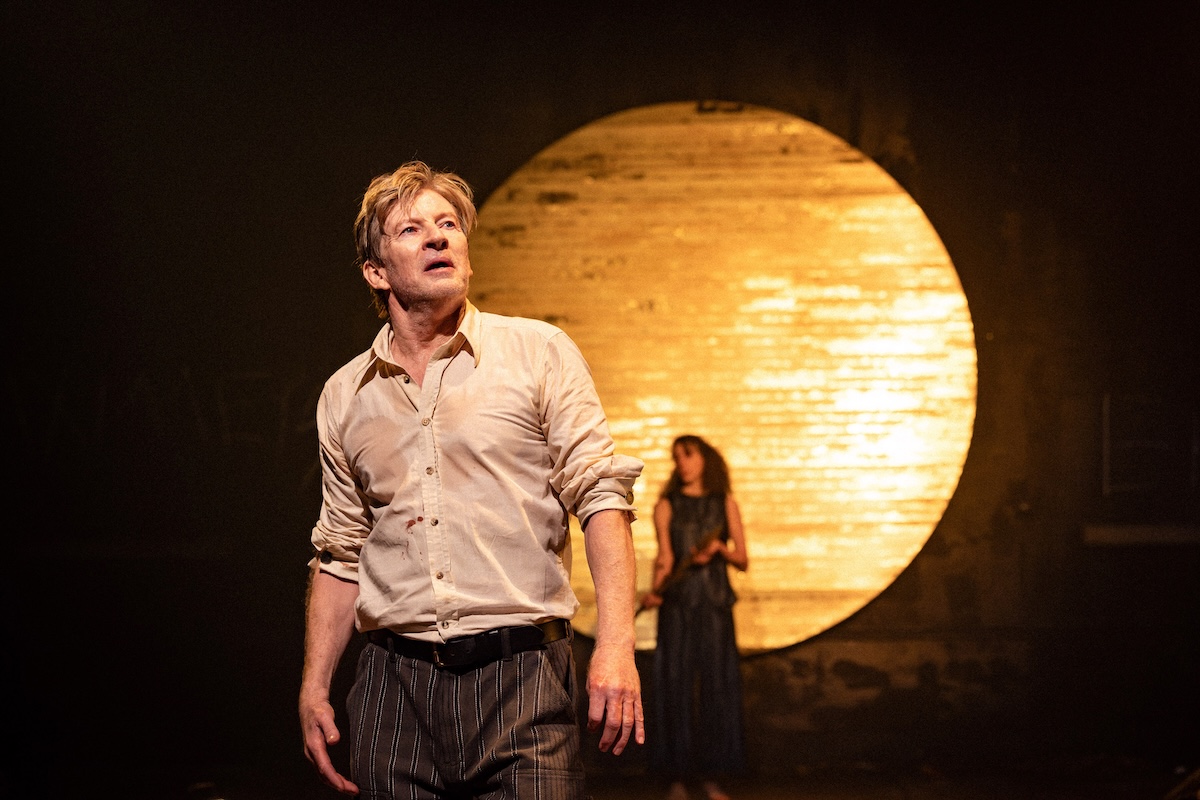
David Wenham and Helen Svobda in An Iliad. Photo © Daniel Boud
The 2027 program opens with a revival season of the Sydney Theate Company’s An Iliad, Lisa Peterson and Denis O’Hare’s acclaimed adaptation of Homer’s epic, starring David Wenham and Helen Svoboda. The production turns the ancient story of heroes, gods and war into an intimate examination of conflict, difference and disagreement.
In February, Margaret J Harvey returns to the stage after more than a decade in The Dark Matter of Usulal, a contemporary solo work grounded in the living cosmologies of Saibai Island. Combining performance, sound, movement and digital imagery, the work explores femininity, ancestry and the body as a carrier of story.
Kalive describes Harvey as “the most extraordinary actor” and says the formally ambitious work was a natural fit for the Adelaide Festival.
“It will feel formally really ambitious, I think, for a State Theatre Company show,” she says. “We’re hoping the festival audiences will lap it up as well.”

Anna Lindner and Nathan Page: Summer of the Seventeenth Doll. Photo © Claudio Raschella
April brings Kalive’s production of Summer of the Seventeenth Doll, more than a decade after the play was last performed by the Company and more than 70 years after Ray Lawler’s landmark work premiered. The all-Adelaide production stars Anna Lindner, Nathan Page, Allycia Angeles and Kate Cheel.
For Kalive, returning to the play is an opportunity to examine a classic through contemporary eyes without abandoning its period setting.
“It is the most extraordinary play, and every time I come back to it, it reveals new things and says something new about the world we’re living in,” she says.
The play’s story of seasonal workers also carries contemporary resonances, she says, particularly in an era of fly-in, fly-out employment.
The season’s premieres begin with Evil Hour by James Smith in July. Smith, better known as an actor, makes his State Theatre Company South Australia playwriting debut with an Australian Gothic drama inspired by South Australian history and women whose stories have been forgotten. Set in the 1850s, the work centres on Lillian Oliver and a woman fleeing domestic violence who seeks refuge at her door.
Kalive says the play’s development involved Vitalstatistix and a range of female voices, helping shape a story about women negotiating a patriarchal world and discovering forms of power within it.
“It’s a bit scary, actually,” she says. “I found it a bit of a page-turner. I was desperate to find out what happened next.”
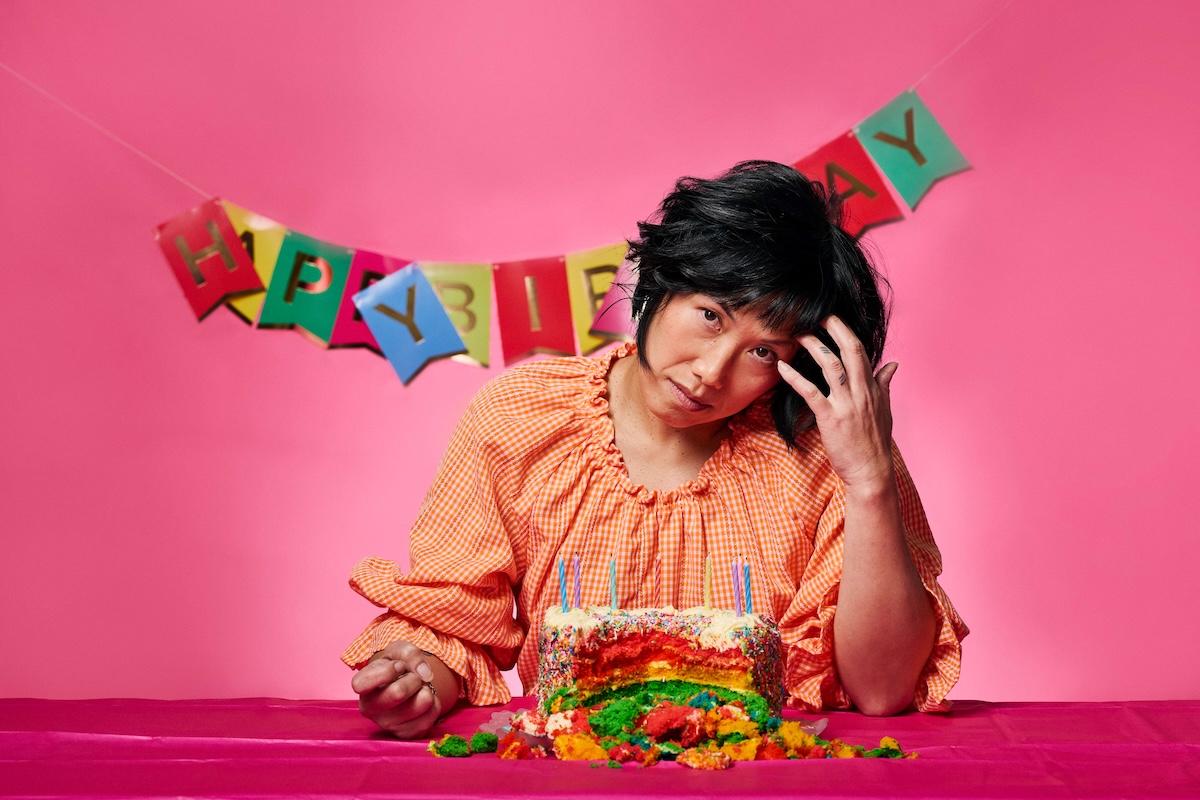
Michele Lee: Snappy. Photo © Claudio Raschella
In August, the Company partners with Griffin Theatre for the premiere of Michele Lee’s Snappy, a tragicomic reimagining of Henrik Ibsen’s A Doll’s House. The work examines motherhood, friendship, mental load and the expectations placed on women, and comes from the winner of the 2025 Griffin Award.
“It’s more about the mental load and this woman who’s made all these decisions,” Kalive says. “She should be happy. Everyone tells her that she should be happy. And yet, she’s given up so much for that life, and at what cost?”
September brings The Bookbinder of Jericho, a world-first stage adaptation of Pip Williams’ bestselling novel. A co-production between State Theatre Company South Australia, Sydney Theatre Company and Arts Centre Melbourne, it has been adapted by South Australian playwright Verity Laughton, whose stage adaptation of Williams’ The Dictionary of Lost Words enjoyed sell-out seasons in Adelaide and nationally. The work stars Melissa Kahraman and Ksenja Logos. Shannon Rush directs.
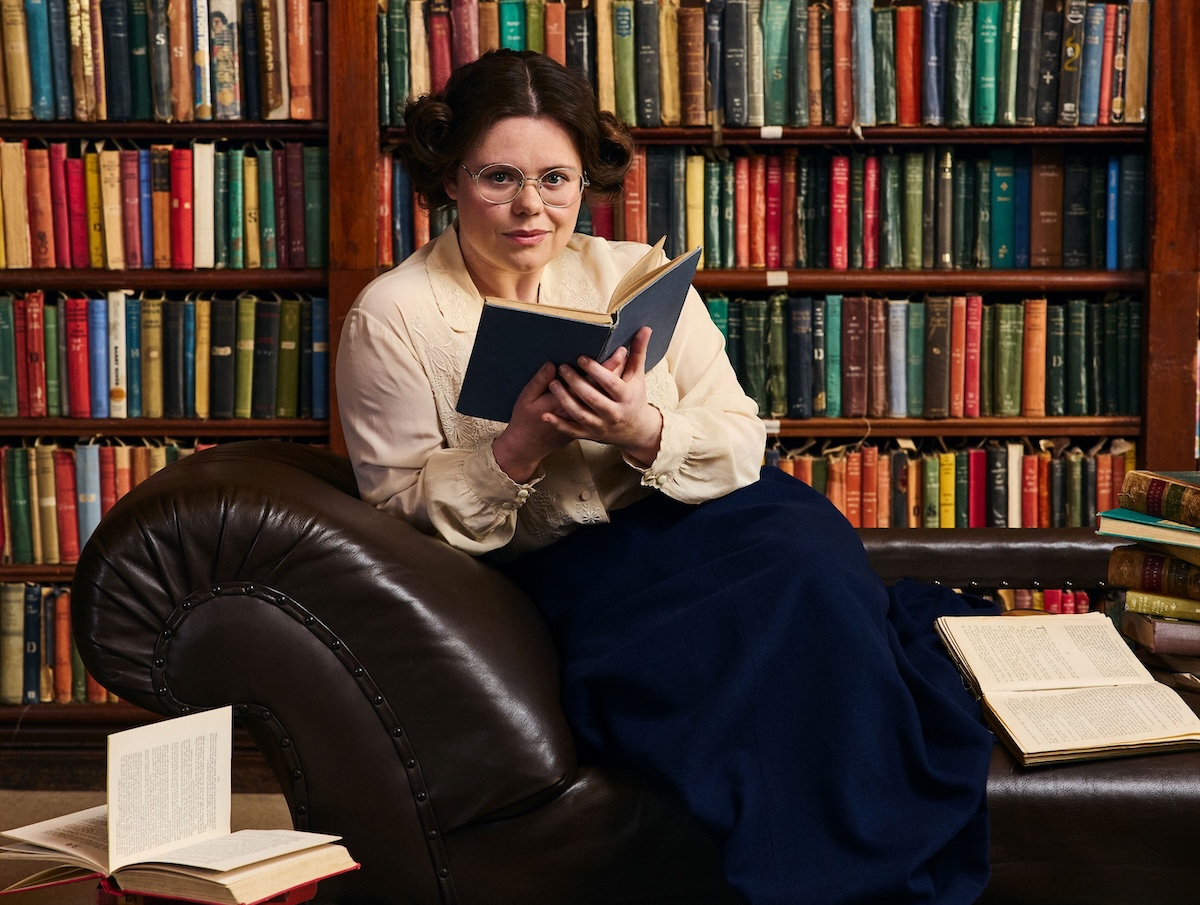
Billie-Rose Russel: The Bookbinder of Jericho. Photo © Claudio Raschella
Set in 19th-century Oxford, the story follows Peggy, twin sister of Maude, as she dreams of becoming a scholar while negotiating class, family responsibility and her sister’s disability. Kalive sees it as an adjacent story to The Dictionary of Lost Words, sharing its interest in women finding their voices.
“She has this incredible ability to write again about history in a way that asks us to reflect on the world we’re living in now,” Kalive says of Williams. “I think that’s her master skill.”
The SPARK program returns to Adelaide College of the Arts with two South Australian works: Taylor Nobes’ A Guide to Success in the Workplace and Luke Wiltshire’s Squid.
Nobes’ work is described as a feminist rock concert and horror musical examining toxic workplace culture, while Squid, directed by Stephen Nicolazzo, is Wiltshire’s autobiographical account of transitioning and self-discovery.
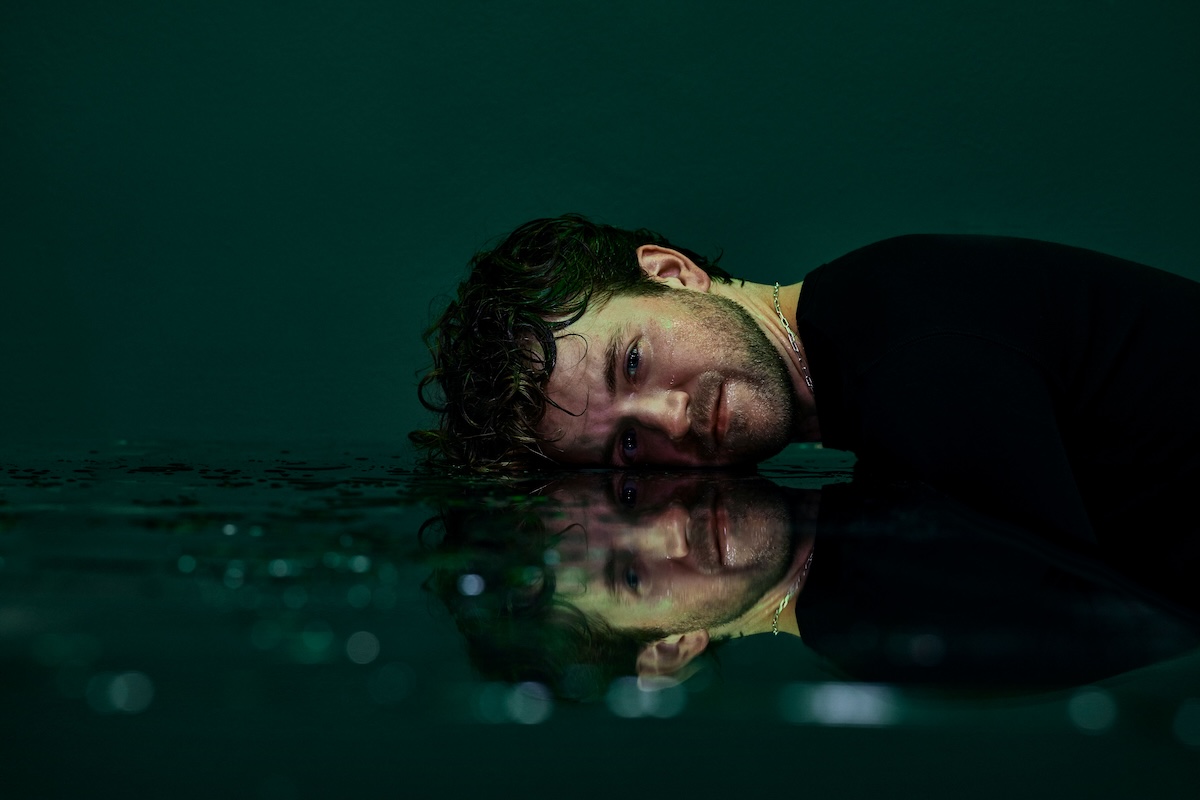
Luke Wiltshire: Squid. Photo © Claudio Raschella
Kalive says SPARK provides a space for independent South Australian artists to reach new audiences, and describes both works as examples of the local talent she wants the Company to support.
Across the season, Kalive says, the productions share an interest in looking backwards in order to understand the present. “It wasn’t something I set out to do, but when I put the whole season together and looked at all the shows that had emerged, I just thought, yeah, the stories that echo through time,” she says.
The historical perspective, she believes, can create space to engage with difficult contemporary questions without presenting them too directly.
“There’s something about looking into the past to see ourselves today that feels actually like a good way to address some of the concerns or issues that we’re facing culturally,” she says.
Ultimately, Kalive hopes the season extends beyond the performance itself, encouraging audiences to stay, talk and argue about what they have seen.
“I want the conversations in the foyer,” she says. “I think too often we go to a show and then we go, well, that was nice, and then we leave. I want people to hang around and have a glass of wine or a cup of tea and talk about what they’ve seen and unpack it.”
For Kalive, that exchange is one of theatre’s defining possibilities.
“Theatre is also one of those places where you can sit in comfort in the dark together and share the experience of something complex,” she says. “Theatre should be about conversation.”
For more information on State Theatre Company South Australia in 2027, visit statetheatrecompany.com.au






Comments
Log in to start the conversation.