




By Michael Christoforidis and Elizabeth Kertesz
Oxford University Press, 2019, 328pp
ISBN 9780195384567
Buy online from Booktopia
Few operas have had the same impact as Bizet’s Carmen. Since its 1875 Paris premiere, Carmen has toured the world, becoming one of the most performed operas ever. One philosopher described the famous Habañera melody from Act I as a “primeval quotation which sounds familiar to everyone hearing it for the first time”.
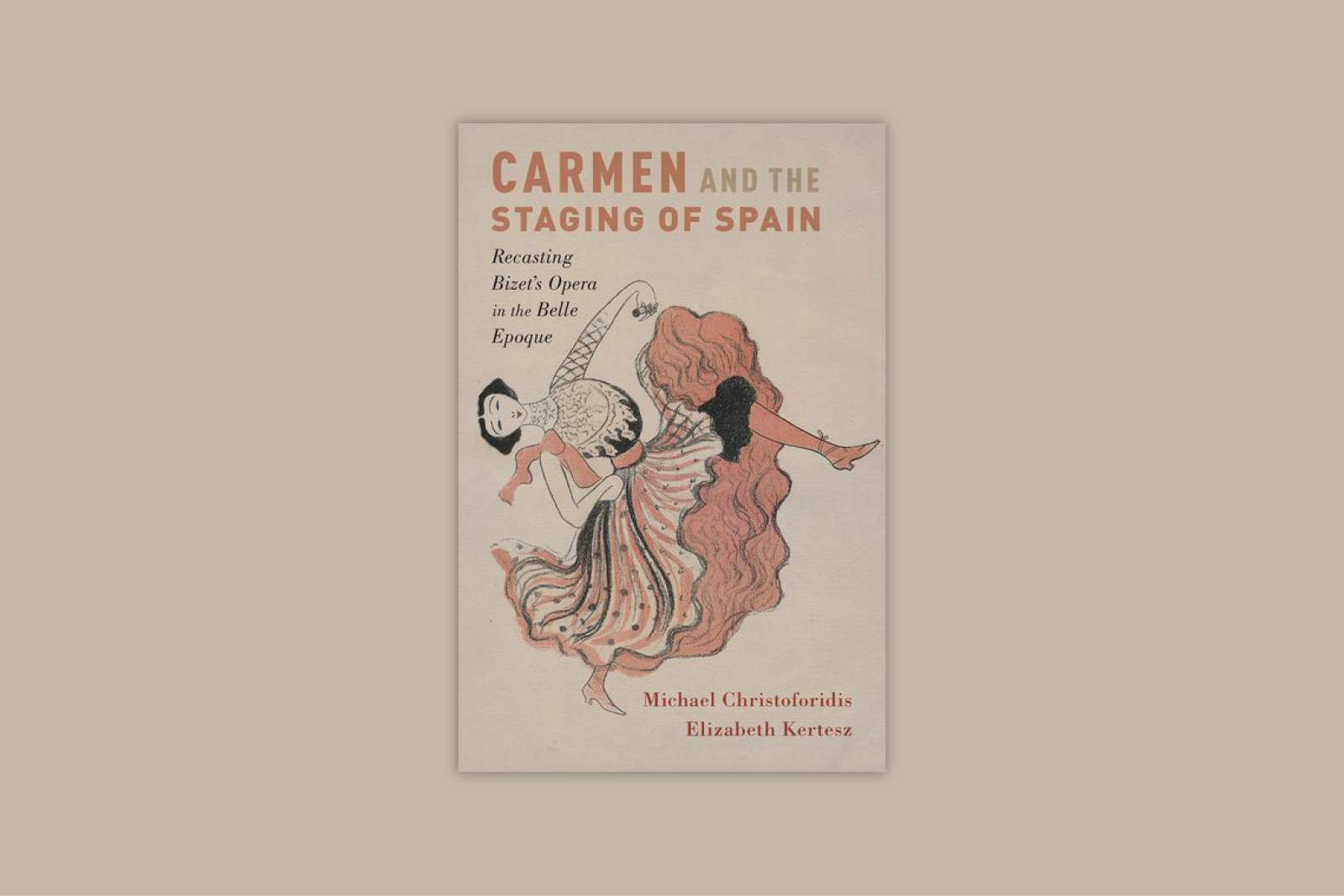
As the University of Melbourne-based scholars Michael Christoforidis and Elizabeth Kertesz remind us, when Carmen reached its one-thousandth performance at France’s Théâtre de l’Opéra-Comique in 1904, it “became a recognised part of France’s cultural patrimony” and was included on the nation’s heritage register. Indeed, Christoforidis and Kertesz’s Carmen and the Staging of Spain argues that Bizet’s most famous work is not so much a Spanish opera but rather an operatic representation of Spanish customs, costumes, characters, and styles of music and dance.
By the time of Cecil B. DeMille’s silent film of Carmen in 1915 starring Geraldine Farrar in the title role, the work had already undergone a whole series of evolutions and reimaginations; its notoriously unsuccessful 1875 premiere was just one incarnation, and...
Continue reading
Get unlimited digital access from $4 per month
Already a subscriber?
Log in







Comments
Log in to start the conversation.