




Giselle is a young peasant girl who dies broken-hearted, having been betrayed by her lover, a duke in disguise. She joins other sad maidens, who have also been abused, in a coven of supernatural spirits. These ghosts, called Wilis, clothed in their wedding dresses and led by queen Myrtha, emerge at night to dance men to their deaths. But Giselle, selflessly forgiving, arduously protects her duplicitous lover Albrecht, until the Wilis retreat on the rising of the sun.
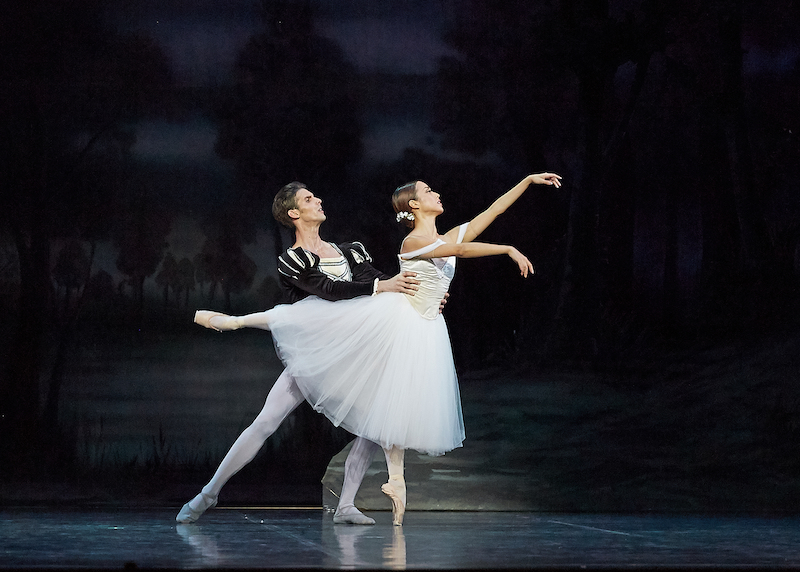 Chihiro Nomura as Giselle and Oscar Valdes as Albrecht. Photograph © Sergey Pevnev
It’s perhaps not the behaviour condoned nowadays by most young women – as was illustrated during the Perth Festival this year when the South African choreographer and dancer, Dada Masilo produced a modern rethink of Giselle, aiming to create a work not about love and forgiveness but about deceit and anger. Giselle does not forgive and the Wilis are vicious warriors. It worked a treat.
When first staged in 1841, however, this famous ballet was conceived without political intent and with a simple narrative without subtext to cater for a public enamoured of balletic virtuosity and romantic sumptuousness, which is reflected in Adolphe...
Continue reading
Get unlimited digital access from $4 per month
Already a subscriber?
Log in






Comments
Log in to start the conversation.