




I remember as a young student taking my first double bass home from school and spending hours with it, not practicing or playing repertoire in the traditional sense, but trying to see what sounds I could coax from the instrument. Bowing the tailpiece and behind the bridge, tapping the strings with the shaft of the bow, bouncing a small mallet off the sides and top of the instrument, slipping paper between the strings, tapping them with a pencil, all kinds of rich sounds and textures produced with what I would come to relearn more formally, many years later, as extended techniques. By this time, however, the inherent curiosity and playfulness of these ways of approaching the instrument had been lost; they had become formal techniques to be learnt properly, examined approvingly, and henceforth applied rarely.
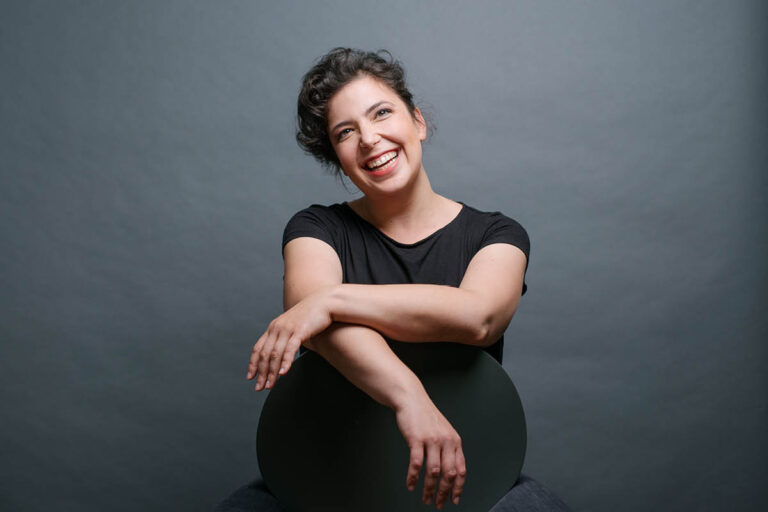
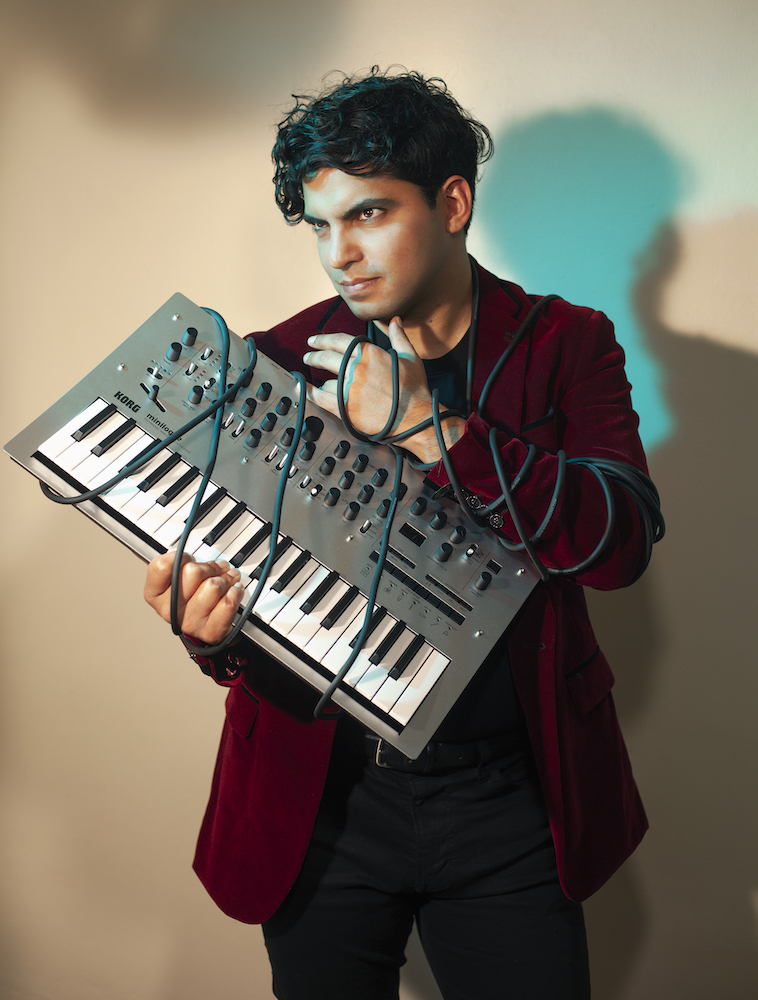 Zubin Kanga. Photo © Raphael Neal
It is a great loss to creativity when young musicians are not allowed do whatever they can to make truthful, expressive music with whatever tools available to them. I suspect Zubin Kanga, the acclaimed London-based, Australian composer and pianist, appreciates the value of playful curiosity in the world...
Continue reading
Get unlimited digital access from $4 per month
Already a subscriber?
Log in




Comments
Log in to start the conversation.