


You might think you know everything there is to know about Li Cunxin, whose global best-selling memoir, Mao’s Last Dancer, and subsequent feature film, detailed the extraordinary life of the young peasant boy plucked from obscurity in rural China before achieving a life of stardom after defecting and becoming an internationally sought-after professional dancer, who ultimately called Australia home.
But you would be so wrong.
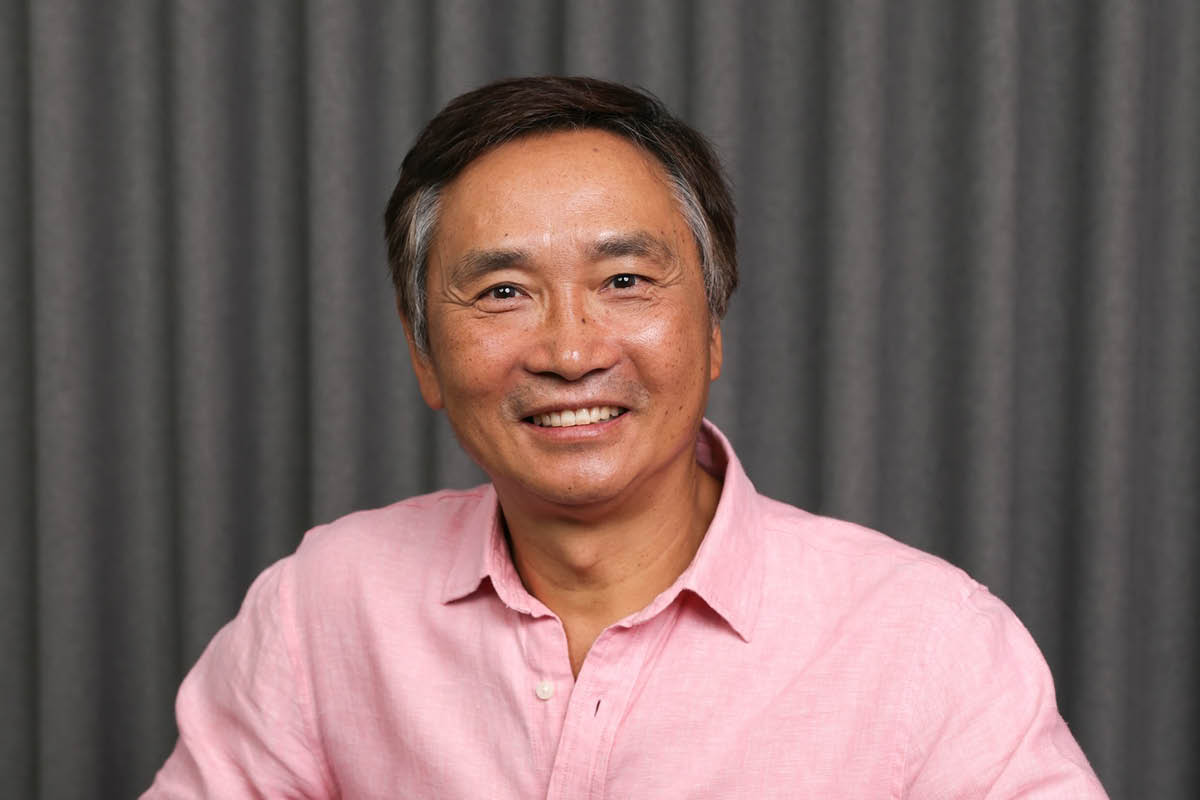
Li Cunxin. Photo © Penguin Random House
Li’s follow-up book, The Lucky Son – a sequel to Mao’s Last Dancer, published by Penguin Books Australia – delves much deeper, offering a personal insight into the professional story we know. The book takes Li’s story beyond and behind the stage, detailing not only the 11 years he ran Queensland Ballet, transforming it from a moribund state dance company to a vibrant, world-class organisation, but also the heartache and joy behind the scenes of his life.
Published in 2003 in 19 territories and translated into 13 languages, the multi-award-winning Mao’s Last Dancer explored Li’s childhood in Communist China and his random selection, aged 11, to study at the Beijing Dance Academy in 1972, where he endured overwhelming...
Continue reading
Get unlimited digital access from $4 per month
Already a subscriber?
Log in





Comments
Log in to start the conversation.