APRA AMCOS has released a statement from CEO Dean Ormston in response to “comments” made by Atlassian co-founder Scott Farquhar at the Australian Financial Review‘s AI Summit, held in Sydney on 2 June.
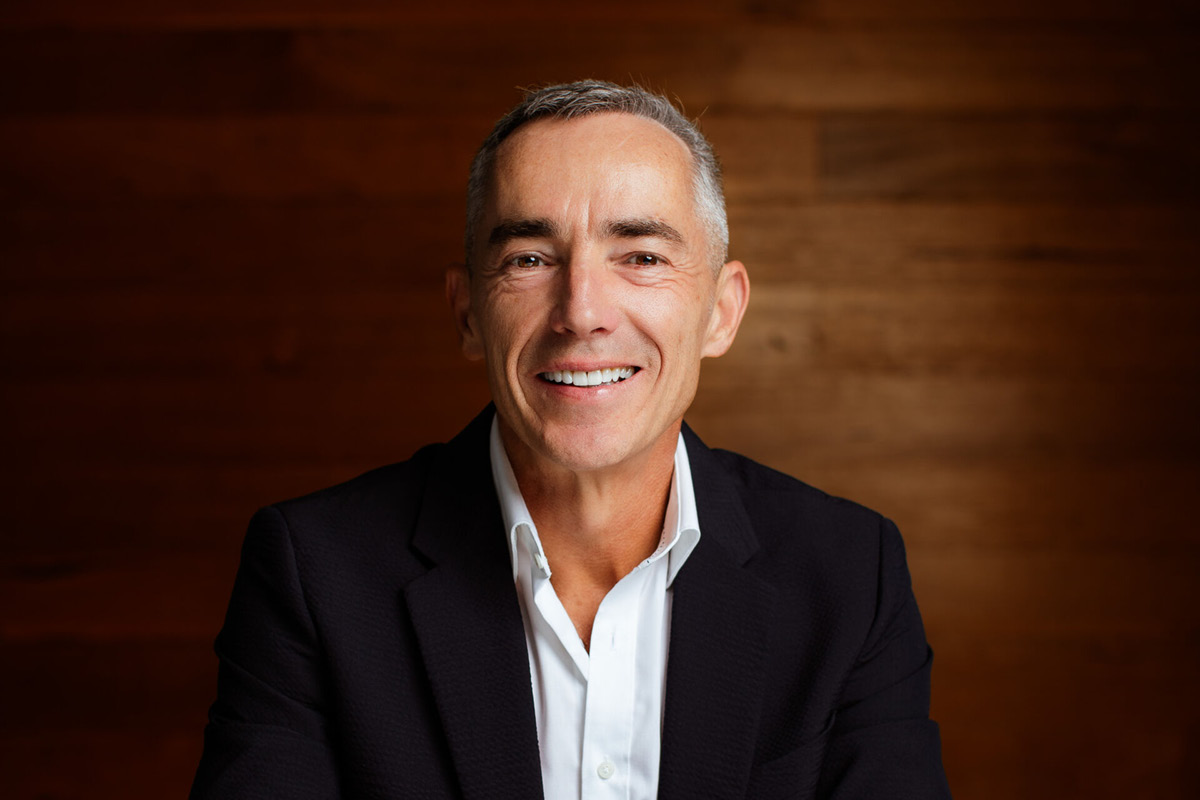
APRA AMCOS CEO Dean Ormston. Photo courtesy of APRA AMCOS

Farquhar discussed how current Australian copyright laws are inhibiting the training of AI models and urged for this to be “[sorted] as soon as possible” so that data centres aren’t incentivised to establish somewhere outside Australia.

“If I train [an AI model] in Australia, I need to cut a deal with every single recording artist in the entire world, because of the way our copyright laws work – so without some government change … it is impossible,” Farquhar said, as reported by the Australian Financial Review. “If you come to Australia and you want to do something that involves US content or Chinese content or Korean content, you are subject to Australian copyright laws.”

Farquhar, who stepped down as joint CEO of Atlassian in 2024, is currently Chair of the Tech Council of Australia.

Ormston has lambasted Farquhar’s argument as “simply not true”.

“The issue isn’t the law. It’s that the major AI platforms don’t want to pay. Not one has made a genuine attempt to come to the table, engage with rights holders or explore what a fair commercial negotiation might look like. The content that drives the value of these models .. is the highest quality catalogued creative work, the songs, the scores, the novels, the screenplays, built by professional creators over careers and lifetimes. That is what they keep coming back for. And that is precisely what Australia’s copyright framework is designed to protect,” said Ormston.

“Instead, what we are seeing is a coordinated attempt to decouple payment from copyright rights altogether. The proposal doing the rounds, a one-off fund distributed as a goodwill gesture in exchange for closing off any ongoing licensing obligation, is not a licensing framework. It is a receipt for a robbery. Creators would go from being licensors to being mendicants. That is not a settlement. That is a surrender the creative sector will not accept.”

“The window Mr Farquhar is worried about closing? Don’t blame the law. Don’t blame creators. The AI industry has had every opportunity to negotiate, to engage and to treat Australian creators as partners rather than a cost to be avoided. They have chosen not to. That is not a legal problem. That is a choice.”

APRA Chair Jenny Morris and APRA AMCOS CEO, Dean Ormston. Photo supplied

Australia’s peak music rights body APRA AMCOS has been deeply engaged with discussions surrounding copyright concerns for AI training and its consequences for Australian artists.

In August last year, it condemned a report released by the Australian Government’s Productivity Commission that suggested copyright exemptions for artificial intelligence would see Australia lose out on an estimated $116 billion in revenue. The Australian Government later confirmed it had no plans to introduce such an exemption.

“The Commission’s exploration may seem measured, but the direction is unmistakable,” said APRA Chair Jenny Morris. “They’re building a framework for policies that would treat our cultural heritage as free raw material.”

Days after APRA AMCOS’s statement, Farquhar told the ABC that Australia’s lack of fair use exemptions for AI training and data scraping, making it illegal to do so, “hurts a lot of investment of these companies in Australia”.

“I think that the benefits of the large language models and so forth that we’ve got outweigh those issues [Australian artists’ concerns about unauthorised use of their work in AI scraping].”

APRA AMCOS has also urged action to correct an “alarming” 31 percent decline in the local consumption of Australian music, reported in its 24–25 Year in Review report. It attributed the dip to algorithmically-generated content leaving Australian artists behind.

“We must continue to bang the drum as loud as we can for our members and advocate for their rights, from campaigning for live music tax offsets … to being crystal clear with policymakers: we will not accept any weakening of the Copyright Act when it comes to AI, and we will fight relentlessly for transparency, consent and fair remuneration when our members’ intellectual property is used.”


Read Dean Ormston’s full statement here.

Get our free weekly round-up of music, arts and culture.