




The NSW Parliament has passed the Music Bill 2026, placing support for the state’s contemporary music industry on a legislative footing and introducing new measures covering live music venues, event regulation, noise assessment and government decision-making.
The legislation establishes the Sound NSW Advisory Board and sets principles for government agencies and local councils making decisions affecting the contemporary music industry. It also introduces a three-tier Music Venue Recognition Scheme, with venues to be recognised as dedicated, significant or live music venues.
The scheme is intended to tailor government support to different types of venues, including access to extended trading hours and government grants, while encouraging venues to regularly program new and original live music. The government expects the scheme to launch later this year.
The legislation also requires certain disputes involving dedicated and significant live music venues to go to mediation before court proceedings can begin. A registrar of disputes will oversee the process, while the NSW Small Business Commission will provide free mediation support, according to the government.
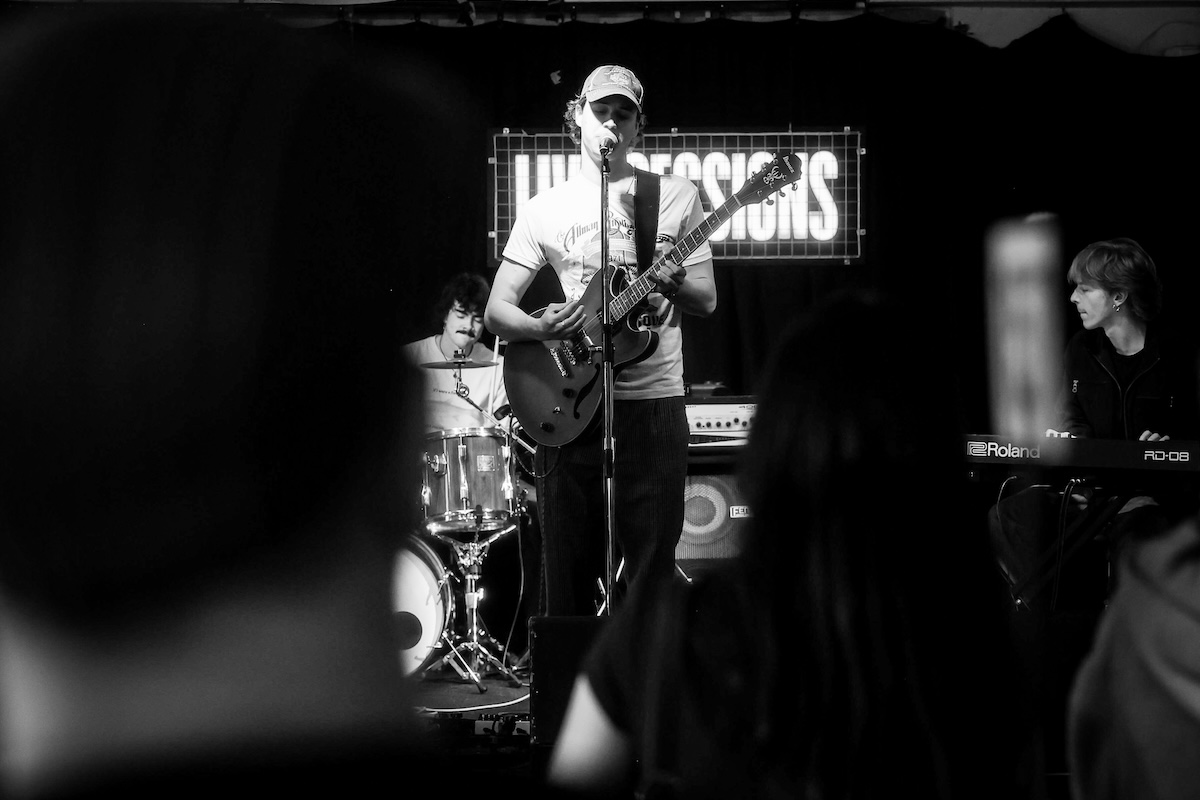
Sydney band The Dress at the Vic on the Park, Marrickville. Photo @theundergroundstage
APRA AMCOS has welcomed the legislation, describing it as a significant step in strengthening the state’s contemporary music sector.
“The Bill is the third major stage in rebuilding music in NSW,” said APRA AMCOS CEO Dean Ormston. “The Government has invested $103 million in contemporary music since the last election and Sound NSW has given music a proper home in government. This legislation now sets clear rules for every state agency and council that makes decisions about music, from venue licensing to event approvals.”
The Bill also changes the definition of concerts so that an event will not automatically be classified as a large-scale music festival simply because it features more than four acts. The government says the change will allow organisers to expand line-ups without triggering additional festival regulation, potentially making it easier to include local artists.
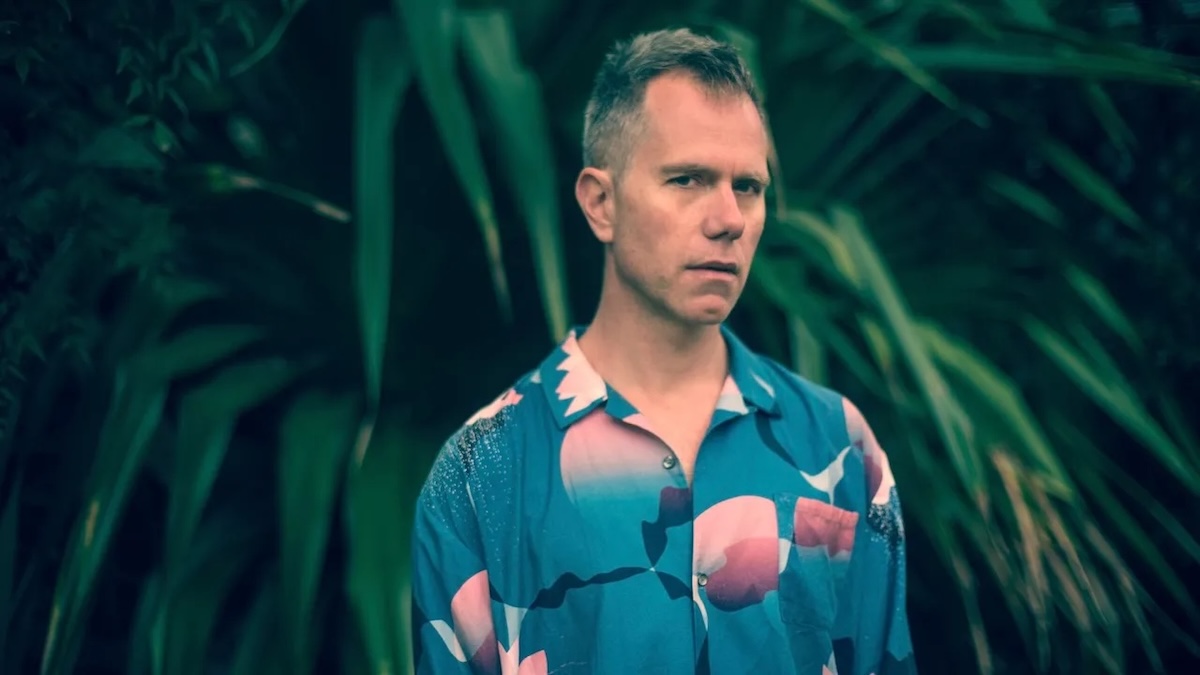
Julian Hamilton.
Julian Hamilton of ARIA Award-winning duo The Presets said the change would allow the group to add another Sydney artist to the all-Australian line-up for Foreverafter, a concert he is curating at Carriageworks in January.
“We’re fans of any changes to the law which make NSW a better place for live music and for live music venues – and we thank the NSW government for engaging genuinely with our sector,” Hamilton said.
The Bill also introduces a new methodology for assessing noise from outdoor entertainment. At music festivals and major events at government sites including Centennial Park, the Domain and the Sydney Opera House, sound will be assessed using an average level over time rather than relying on peak readings. The government says this will reduce breaches caused by short bursts of sound or other factors such as wind.
The legislation prohibits state government agencies and local councils from making decisions about live music events solely on the basis of music genre, including in licensing conditions, development applications and event approvals. It also establishes guiding principles requiring government decision-makers to support live music, ensure fees are reasonable and avoid basing risk assessments solely on genre.
The Act will allow the NSW Government to advocate for the contemporary music industry on emerging technologies and the remuneration of creative workers, including performers, managers and copyright holders.
Minister for Music and the Night-time Economy John Graham said the legislation would help establish a more sustainable future for the sector.
“This legislation provides vital protections for our music industry, an industry which was smashed by lockouts, lockdowns, and overregulation, and it demonstrates the importance of live music to the economy and the cultural fabric of this state,” Graham said.
The Bill also amends the Entertainment Industry Act 2013 to formally include DJs, music producers and songwriters within the definition of performer, while distinguishing between performer managers and booking agents.
Association of Artist Managers chair Jess Keeley said the change followed more than a decade of advocacy and formally recognised artist managers as an “essential role in the music ecosystem”.
Head of Sound NSW Emily Collins said the legislation would provide “greater certainty for industry, government and event organisers”, supporting investment and growth.
Photo © Wesley Pribadi/Unsplash
The government said the legislation builds on measures introduced since the 2023 election, including Special Entertainment Precincts, live music venue and soundproofing grants, touring and recording grants, the NSW Music Prize, the Michael’s Rule initiative encouraging international touring artists to book local support acts, and $2.25 million in emergency funding for five festivals through the Contemporary Music Festival Viability Fund.
The Music Bill 2026 is the first major legislative reform affecting music in NSW since the 2020 reforms that introduced special entertainment precincts and changes to liquor, planning, local government and building regulations.
“Songwriters have spent too long watching gigs being cancelled or loaded with conditions because of the kind of music they write and perform,” Ormston said. “Ending genre-based decision making across government is a principle we’ve argued for over many years and we’re glad to see it in legislation.”
View/download the NSW Contemporary Music Bill 2026.






Comments
Log in to start the conversation.