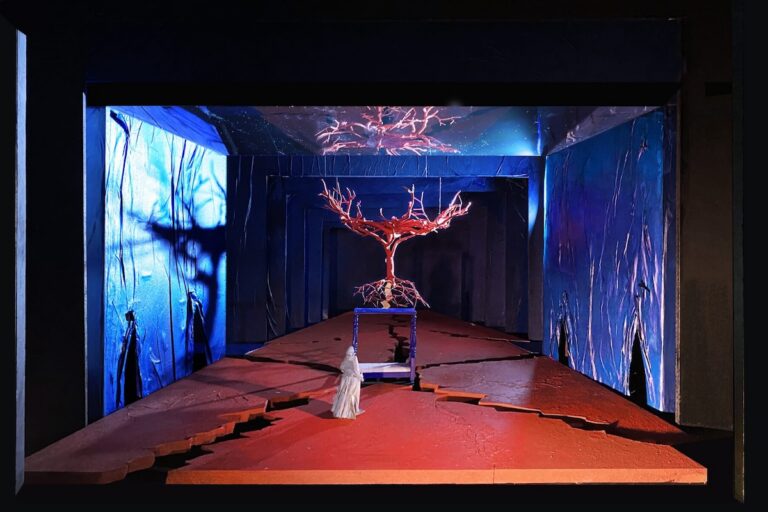
A rare Holocaust-era songbook compiled by Jewish refugees and survivors has been translated into English and published for the first time following more than a decade of international research led by academics at the University of Sydney.
Originally printed in a limited run of just 500 copies, Mima’amakim (Out of the Depths) is a collection of songs created in Nazi camps and ghettos during the Second World War. Researchers say the publication preserves a powerful cultural record of resilience, survival and migration.
One of only five surviving copies worldwide was preserved for decades by a Holocaust survivor living in Sydney before being rediscovered in 2013 and later shared with migration academic Associate Professor Anna Boucher and ethnomusicologist Dr Joseph Toltz.
“Some of these songs were almost lost to history and now they can be heard again,” Toltz said.
“These songs are full of life and defiance. To hear them now is to hear voices that refused to be silenced.”
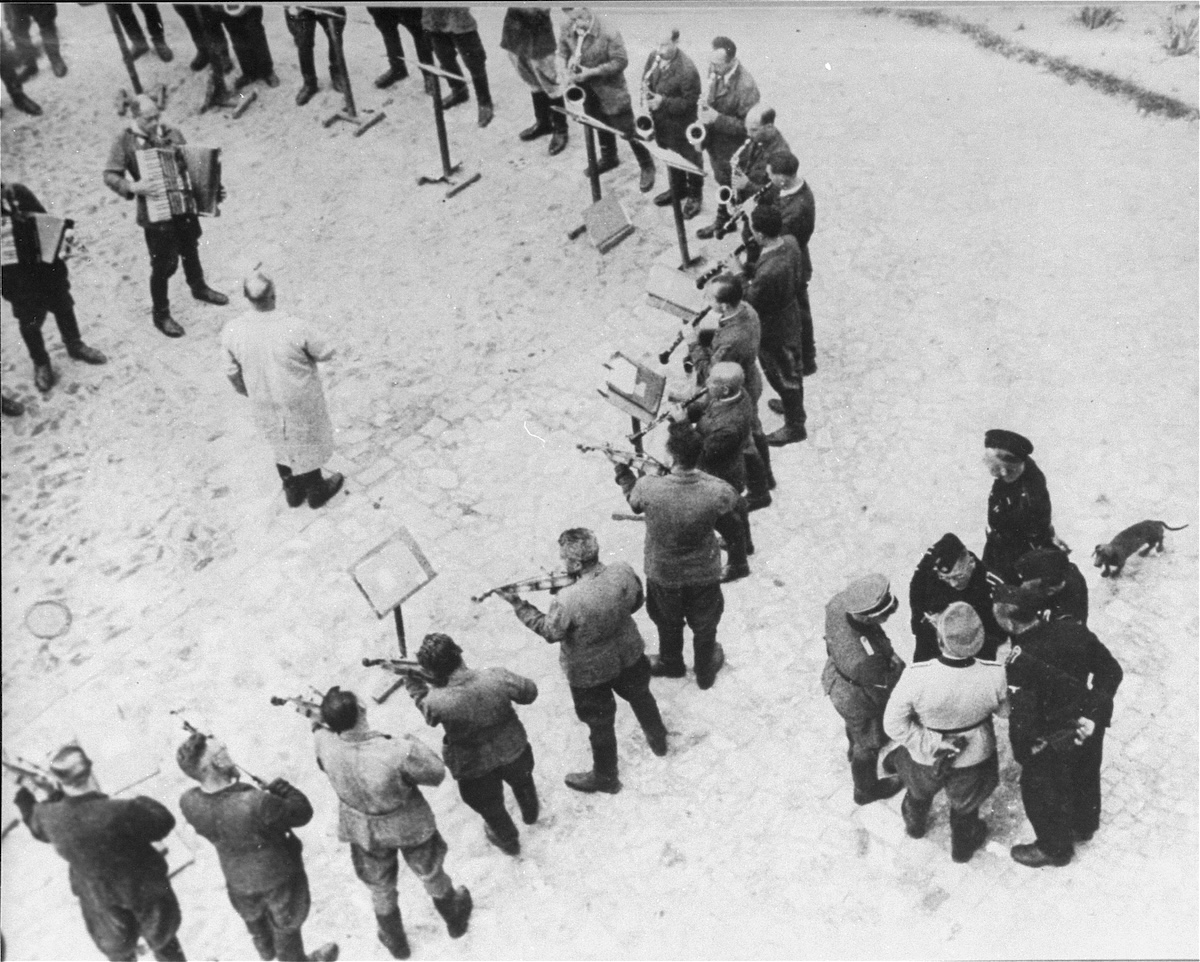
The Janowska Orchestra, a forced ensemble of Jewish musicians formed by the SS in the Janowska concentration camp (Ukraine) between 1941 and 1943. Photo supplied
The project traced the postwar journeys of survivors connected to the songbook, including migrants who settled in Australia and rebuilt their lives after the Holocaust.
Associate Professor Boucher said the Sydney family who safeguarded the book had played a crucial role in preserving what is believed to be one of the most complete surviving copies.
“These songs connect past and present in a powerful way,” she said.
“They ask us to think about what people carry with them when they’re forced to flee, and what might be lost if those stories aren’t preserved.”

Researchers conducted trauma-informed interviews with Holocaust survivors and descendants across several countries, including some of the original lyricists and composers. The work combined archival and documentary analysis using passenger records, Holocaust testimony and photographs from gravestones, alongside detailed Yiddish-to-English translation and musical and historical interpretation.
Associate Professor Boucher described the project as a “detective story” spanning continents and generations.
“We weren’t just translating words,” she said. “We were carefully bringing meaning, memory and context into English for the first time.”
Toltz said the songs endured as “expressions of humanity, resistance and memory” at a time when preserving Holocaust testimony had become increasingly urgent as survivor numbers decline.
Out of the Depths: The First Collections of Holocaust Songs is published by Manchester University Press.

Comments
Log in to start the conversation.