Dolly Parton, the singer, songwriter and entertainer whose extraordinary musical gifts carried her from rural Tennessee poverty to global superstardom, has died aged 80.

Parton died in Nashville on Tuesday, 25 August. No cause of death was given in that announcement though it has been revealed since that she died after a “brief battle” with cancer.
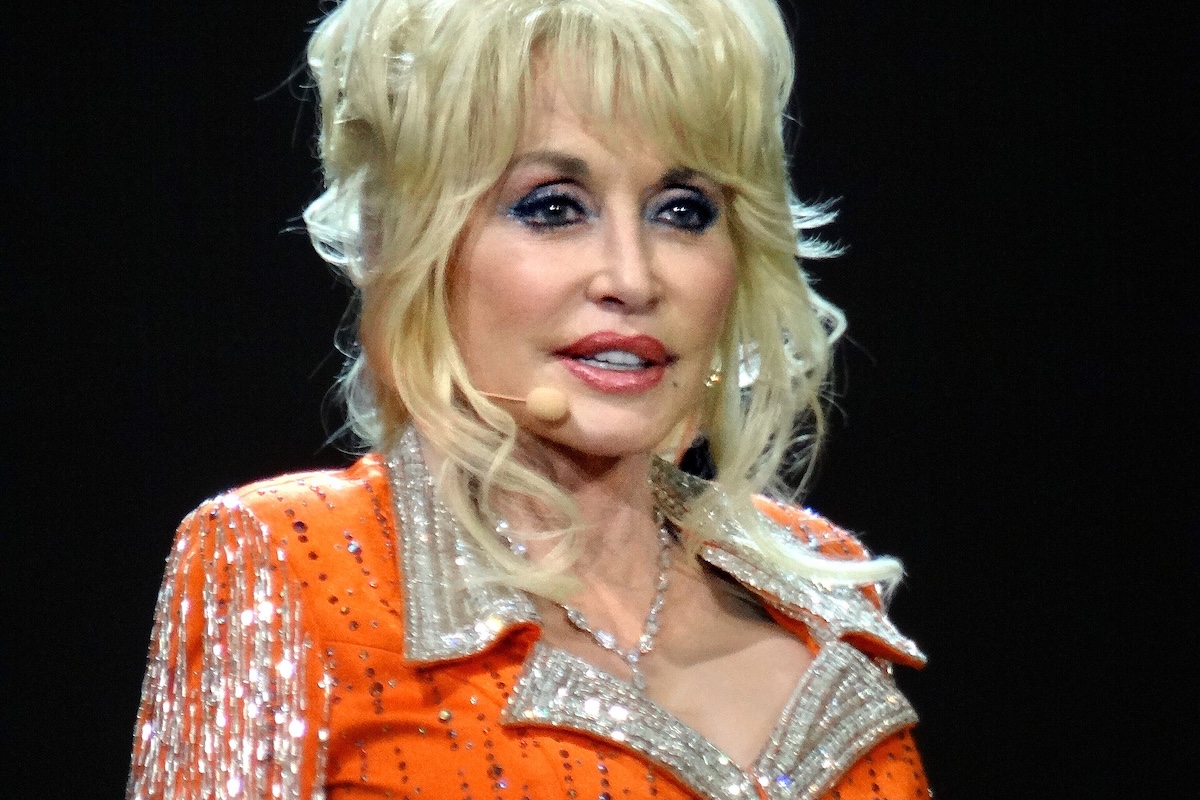
Dolly Parton in her Blue Smoke World Tour, 2014. Photo © Kristopher Harris/WikiMedia Creative Commons

Few musicians have left such a distinctive imprint on popular music. With her crystalline soprano, instantly recognisable vibrato and gift for economical, emotionally direct storytelling, Parton transformed the raw materials of Appalachian country music into songs that travelled far beyond their original setting.

She wrote hundreds of songs, among them Jolene, Coat of Many Colors, 9 to 5 and I Will Always Love You – compositions whose melodies and narratives have become part of the international musical vernacular. Her songs accumulated more than 100 million worldwide sales, while her recordings generated more than a billion online streams.

Parton’s origins story became legendary. Born in 1946 in a one-room cabin in the mountains of Tennessee, she was the fourth of 12 children. Her father was a farmer and construction worker; her mother encouraged her early songwriting. Parton wrote her first song, Little Tiny Tasseltop, when she was about six. At 10 she was appearing on local television, and at 13 she performed at Nashville’s Grand Ole Opry, introduced by Johnny Cash.

After graduating from high school in 1964, she moved to Nashville, initially establishing herself as a songwriter. Her breakthrough as a performer came through a partnership with Porter Wagoner, whose television programme introduced her to a national audience. Their professional relationship produced a string of hits before Parton embarked on a solo career.

Jolene, released in 1973, distilled jealousy, insecurity and sexual rivalry into one of country music’s most urgently memorable songs. A year later she wrote I Will Always Love You as a farewell to Wagoner. Her own recordings became country hits; Whitney Houston’s spectacular 1992 version turned the song into a global pop phenomenon.

Parton’s musical reach continued to expand. She embraced pop and rock without abandoning country, collaborated with artists including Kenny Rogers, and recorded the acclaimed Trio albums with Emmylou Harris and Linda Ronstadt. Her 1980 hit 9 to 5, written for the film in which she starred alongside Jane Fonda and Lily Tomlin, earned an Academy Award nomination.

Her voice remained at the centre of everything and Parton possessed the rare ability to make highly personal material feel universal. The flamboyance – rhinestones, towering blonde wigs and elaborate costumes – was inseparable from the artistry, but never overwhelmed it.

Nor did her musical career end with her first generation of fans. She continued recording and collaborating well into the 21st century, embracing bluegrass and roots music while reaching younger listeners through appearances with artists including Miley Cyrus, her goddaughter. Her 2023 album Rockstar further demonstrated her refusal to be confined by genre. She sang with Sabrina Carpenter on the track Pickup Truck in early 2025.

Parton’s cultural influence extended well beyond music. Her Dollywood enterprise became a major Tennessee attraction, while the Dollywood Foundation’s Imagination Library has distributed hundreds of millions of books to children. She also contributed $1 million to Covid-19 research at Vanderbilt University Medical Center, funding that helped support research leading to the Moderna vaccine.

Measured in record sales, movie tickets and business deals, Parton’s achievement was enormous but for her fans, her story, her music and her songbird voice is all that counts. Vale.

Get our free weekly round-up of music, arts and culture.