




The Australian Chamber Choir, founded in 2007 by Artistic Director, Douglas Lawrence, supports young professional musicians with further training and touring experience. The Choir, in collaboration with the Melbourne Baroque Orchestra (MBO), opened its 2026 season with Bach’s Mass in B Minor, giving the final performance at Scots’ Church in Melbourne.
The 19th century church is a beautiful but acoustically challenging venue, with the magnificent dome inclined to blur the sound. However, the ensemble overcame this challenge and made the most of the resonance; there were many exhilarating moments where Bach’s rich harmonies filled the church.
Extreme focus and skill is required for the many parts in Bach’s complex contrapuntal score to be knitted seamlessly into place. In this performance, Lawrence gave unfailingly constant rhythmic leadership from the podium.
The basso continuo was both rock-steady and sensitive. It propelled the music in dramatic choral items such as the Hosanna, Gloria and Sanctus, while accompanying the solos with great finesse.
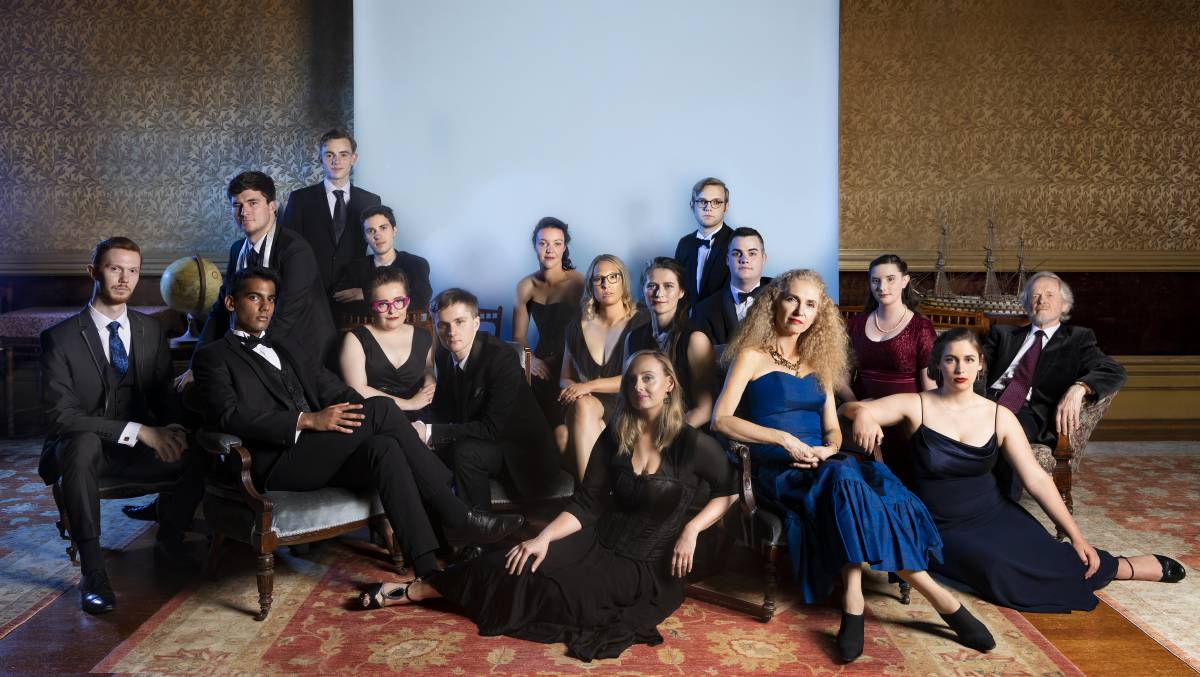
The Australian Chamber Choir. Photo supplied
Securely ground on this firm musical foundation, the choir revealed through their body language – swaying and making eye contact at critical points – that they had physically absorbed the flow of the music and established a strong ensemble culture.
Nine singers from the 22-member choir came forward to perform the various solo parts. These were magical moments, with each one providing a distinctive emotional and musical resting point. For example, Alto Elizabeth Anderson and oboist Adam Masters combined beautifully in Qui sedes ad dexteram Patris; as did flautist Greg Dikmans with soprano Elspeth Bawden in Domine Deus and tenor Stewart Webb in the Benedictus.
The MBO under concert master Timothy Willis, which gives historically informed performances on period instruments, put its stamp on the stylistic choices made in this performance. The baroque instruments created a gorgeous musical palette; the pure keyboard’s pure tones contrasting with the textured string sounds, and the bassoon and horn parts blending beautifully with the solo bass voice in ‘Quoniam tu solus sanctus’.
This orchestral rainbow helped differentiate the contrapuntal elements, including the musical dialogue between the choir, soloist and ensemble in the Bach’s complex score. The brass and timpani cut through, and the upper strings provided powerful leadership throughout.
This assured performance of Bach’s masterpiece was destined to be a satisfying experience. And so it was, with the large audience giving it long and heartfelt applause.




Comments
Log in to start the conversation.