




Beethoven’s Razumovsky quartets represented what would now be termed a “genre explosion” of the form. The difference between the Op. 59 trilogy and his own preceding six Op. 18 quartets is as great as the contrast between his First and Ninth Symphonies. In fact, the quartets were met initially with bewilderment by audiences because of their length and complexity. They are instrumentally and idiomatically more orchestral than all his other works in this genre.
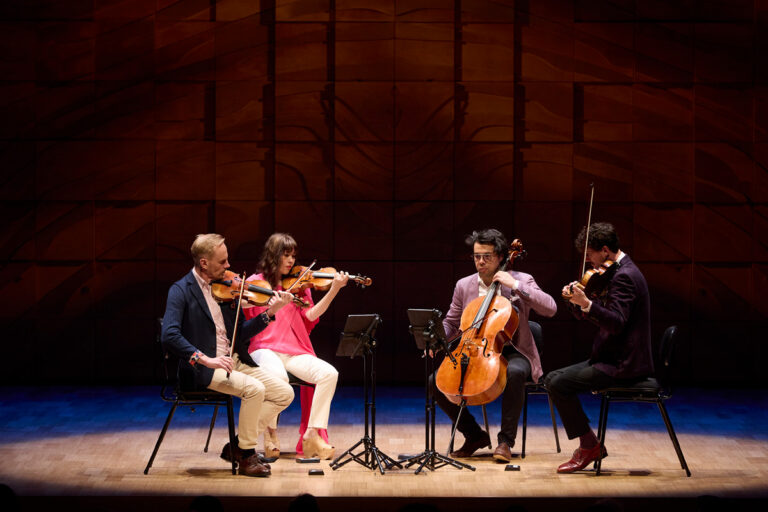
The Calidore Quartet tends to favour fastish and energetic tempi and the first movement of the No. 1 which, with its gigantic horizons, itself established a new world of sonata form for string quartet opening movements, would have sounded even more impressive with a touch more Olympian grandeur than here. In the second movement Allegretto vivace e sempre scherzando, the Calidores make the music come across as slightly cryptic, even weird. The first subject is drily witty but the second is a sensitive legato which appears to dog its heels, and they make for a droll couple.

In the Adagio they...
Continue reading
Get unlimited digital access from $4 per month
Already a subscriber?
Log in




Comments
Log in to start the conversation.