




Although little-known today, José de Nebra (1702–1768) is recognised as one of the most significant and prolific Spanish composers of the 18th century.
Born in Calatayud to a musical family, his name was made when he was appointed first organist of the Royal Chapel of Madrid in 1724, which coincided with the beginning of his compositional output.
Focussing mainly on theatrical works in the first half of his career, Nebra skilfully blended Spanish musical traditions with elements of the Italian baroque, quickly becoming famous both at home and abroad.
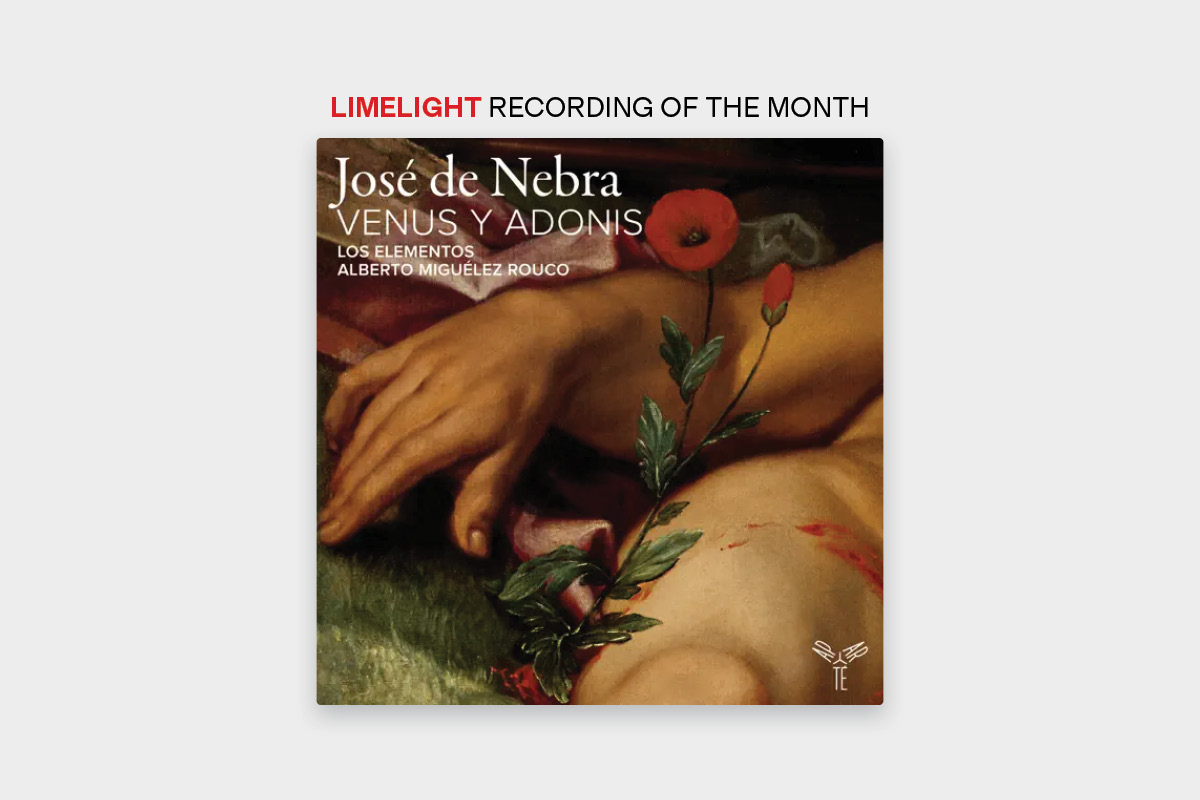
His relative obscurity today makes him a particular object of fascination for musicians, including Spanish conductor and countertenor Alberto Miguélez Rouco. Having founded the period ensemble Los Elementos in 2018 to spotlight Spain’s considerable musical heritage, Rouco and the band have since recorded two zarzuelas by Nebra (Donde Hay Violencia, No Hay Culpa and Vendado es Amor, no es ciego), as well a selection of his cantatas (Cantadas).
The musicians have now turned their attention to Nebra’s pastoral melodrama Venus y...
Continue reading
Get unlimited digital access from $4 per month
Already a subscriber?
Log in






Comments
Log in to start the conversation.