




Not only is it exhilarating to re-discover the sun-lit uplands of Bohemia in Dvořák’s perennially life-enhancing Slavonic Dances, it’s a pleasure to hear both sets in their entirety rather than the occasional one as an encore by a visiting orchestra.
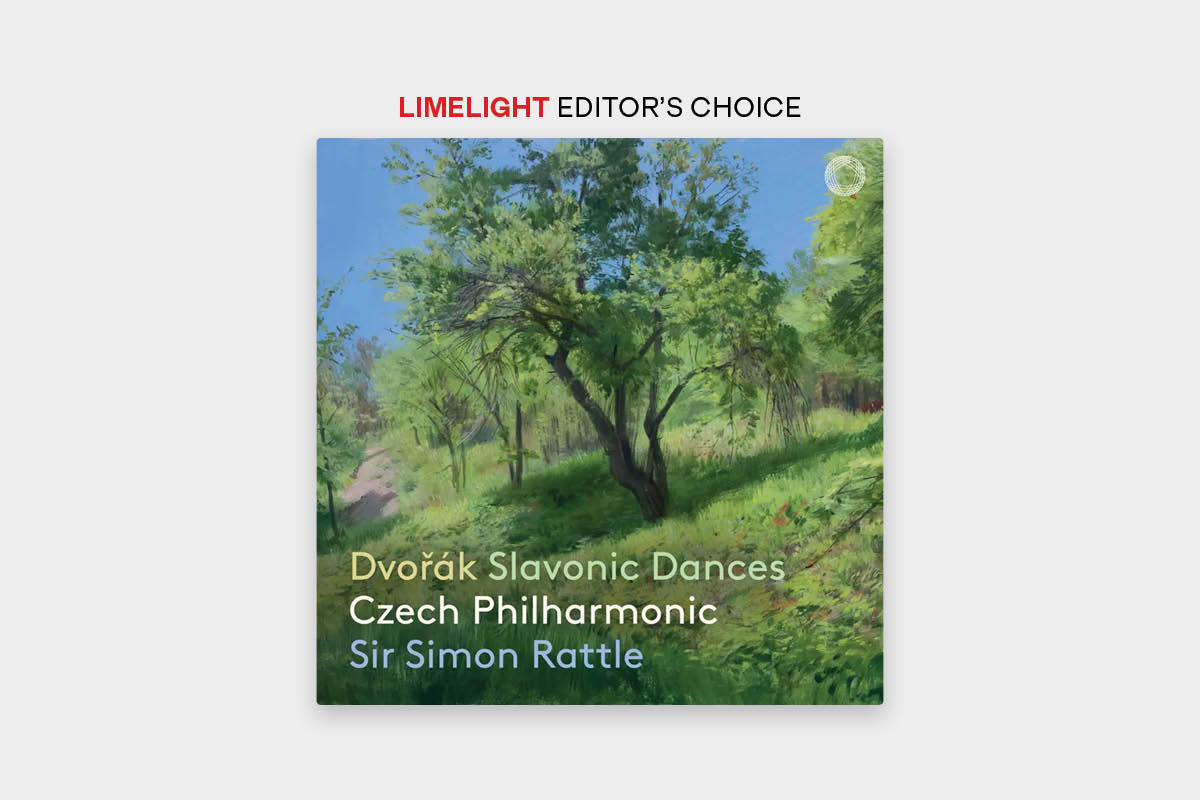
Notwithstanding his rather gruesome tone poems (brilliantly conducted by Rattle on Warner), Dvořák tended to adopt a less grandiose stance than his fellow-countryman Smetana, who favoured heroic legends. Dvořák preferred to bypass mighty rivers for the pleasures of fishing in small streams, and unlike Brahms, whose displays of kaleidoscopic Hungarian dances had inspired him, all Dvořák’s melodies were original.
There are no narratives or evocative titles here; each short piece is atmospherically complete, proving that Dvořák was indeed a god of small things. Unlike Brahms, Dvořák chose not to limit himself to his own small corner of the Slavic world but cast a wider net. A Bohemian Scherzo is the introductory number in the Op. 46, launching the set with a wild abandonment. A Czech march/polka, No. 3, features two solo trumpets in the middle section, perfectly conveying the ambience of a mittel-Europa coffee house. There’s...
Continue reading
Get unlimited digital access from $4 per month
Already a subscriber?
Log in




Comments
Log in to start the conversation.