




Few composers exhibit such a spectrum of musicality personality as Joseph Haydn in his symphonies: the forcefulness and the elegance, the sturdiness and the delicacy, the seriousness and the wit, the melancholy and the high spirits. In volume 18 of Alpha’s Haydn 2032 project to celebrate the tercentenary of the composer’s birth in that year (only seven years to go, folks; book early to avoid disappointment) Giovanni Antonioni and the Basel Chamber Orchestra offer a mixed bag of works, including a movement from a polish student of Haydn.
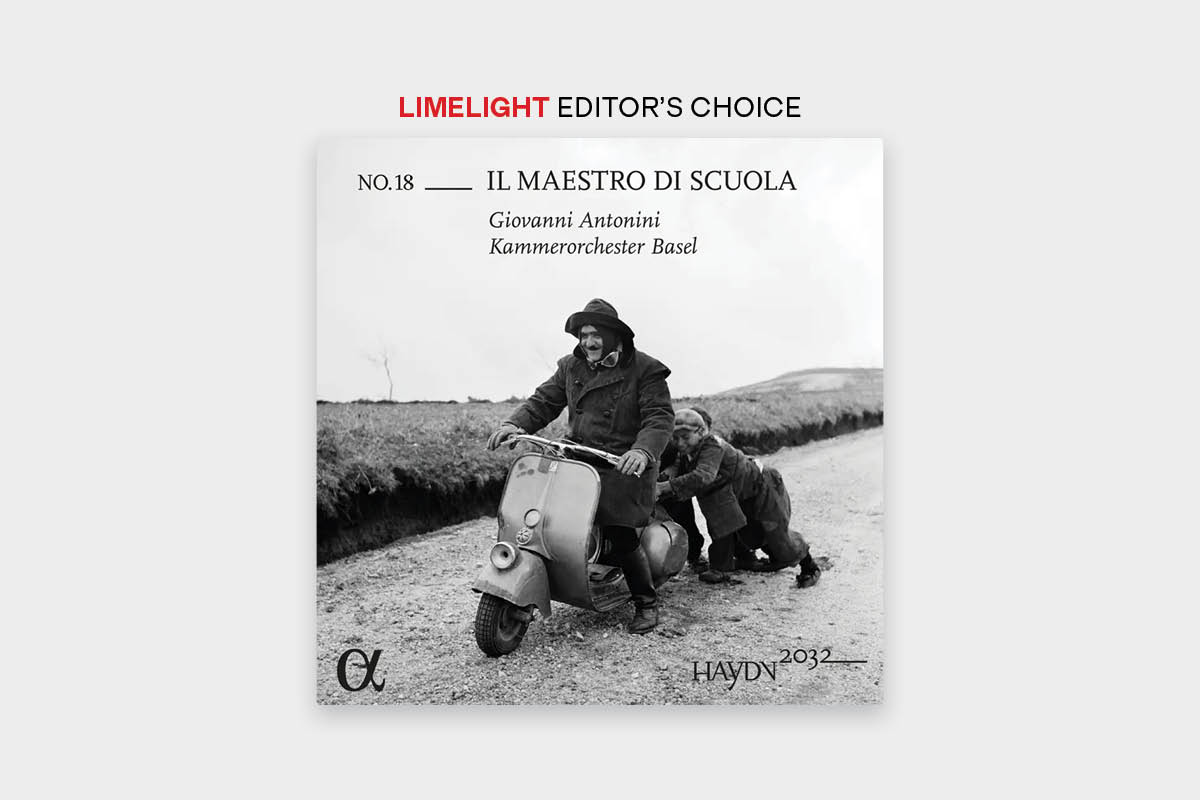
The earliest work is the Symphony No. 29 in E major (a key he used in only one other symphony – No. 12) Not surprisingly, it’s the least interesting but still contains its fair share of tricks and teases, the most memorable of which is the total lack of melody in the trio of the minuet, which sounds like a muffled accompaniment. The two major works are the Symphonies Nos. 55 and 56. By this time, 1774, Haydn had evolved from the drama and urgency of the so-called Stürm und Drang, which characterised his symphonies in the 40s. Some have...
Continue reading
Get unlimited digital access from $4 per month
Already a subscriber?
Log in








Comments
Log in to start the conversation.