




Performing outdoors at a music festival creates a very different listening experience from an indoor concert hall. That was certainly the case when The Necks, one of three jazz acts appearing at WOMADelaide over the weekend, took to the stage late on Friday night.
Many listeners stretched out on mats and blankets beneath a starlit sky. Eyes closed or gazing skywards, they gave their full attention to the slow unfolding of musical ideas that defines a Necks concert. Others stood close to the stage, watching the subtle communication between the trio as the music evolved.
Once again, the group delivered a spellbinding performance, taking the audience on a musical journey made all the more evocative by the natural surroundings. In some ways the setting felt fitting: The Necks’ approach often seems like a return to music’s elemental foundations as their sound gradually gathers momentum and complexity.
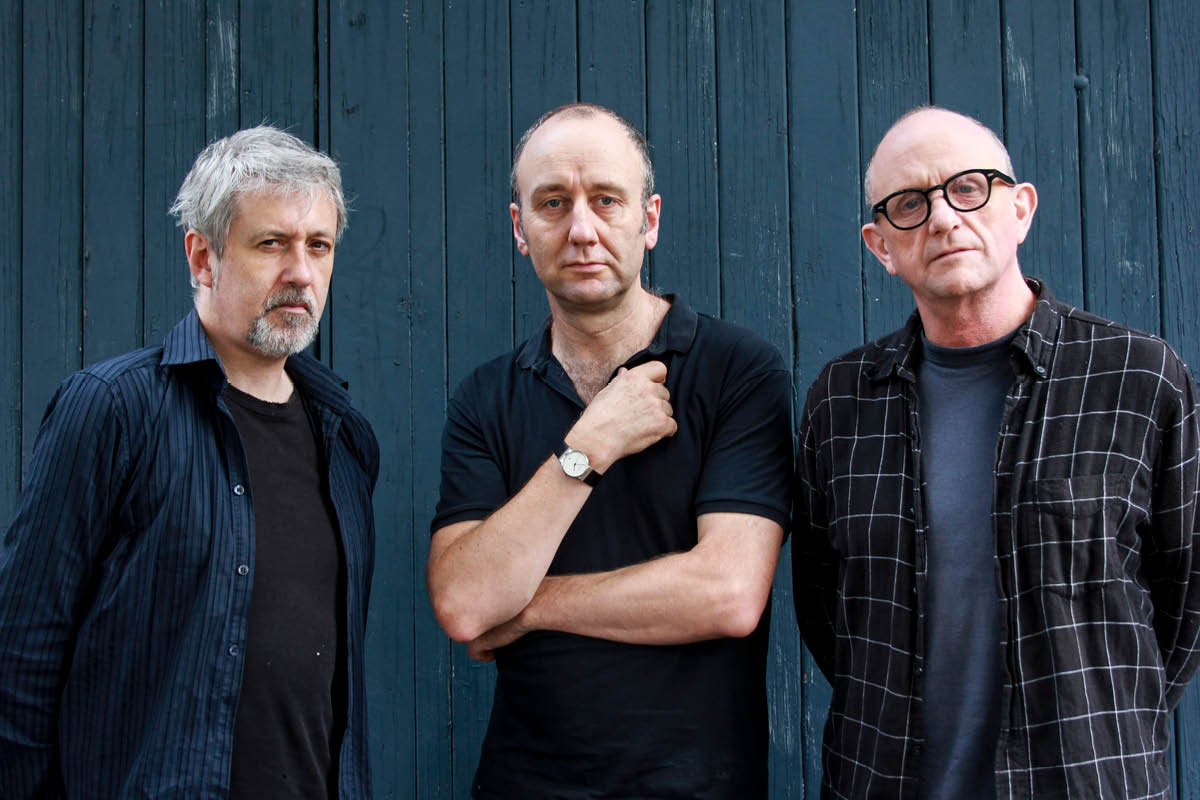
The Necks – Tony Buck, Lloyd Swanton and Chris Abrahams. Photo © Camille Walsh.
The opening gestures came from pianist Chris Abrahams, whose cascade of lyrical notes set the tone. Bassist Lloyd Swanton responded with a resonant grounding note while drummer Tony Buck added delicate percussive textures using bells before shifting to the hi-hat. Abrahams circled around his chosen motif, colouring it with subtle accents and variations that sometimes suggested an Eastern inflection. Swanton ranged across repeated intervals while Buck moved to the drums to add propulsion, Abrahams’ trills gradually heightening the tension.
At times the musicians seemed to engage in a loose call-and-response exchange; elsewhere the piano and bass locked into parallel figures. The music progressed through subtle shifts of texture and momentum, Swanton alternating between bowed phrases and single plucked notes while Buck punctuated the evolving soundscape with either a single cymbal stroke or a brief flurry of drum hits.
The Australian Art Orchestra offered a very different but equally compelling performance. Its presentation imaginatively combined the hip-hop artistry of Japanese performers Hikaru Tanaka and Kojoe with the backing of the orchestra in a work titled Raw Denshi.
Tanaka opened by rapping in Japanese, stretching the ends of words for emphasis and shaping phrases almost like instrumental lines. The effect was strikingly rhythmic. Anchored by Tamara Murphy’s bass, the orchestra gradually joined the texture.
Although Tanaka’s lyrics remained in Japanese, it was the rhythmic flow of his phrasing that drove the music, prompting vivid responses from individual players. One highlight was an expansive saxophone solo from Holly Moore, whose expressive playing provided a compelling counterpoint to Kojoe’s vocals.
Trumpeter Eugene Ball followed with a tightly shaped improvisation that built intensity through rapid-fire phrases as Tanaka’s spoken delivery accelerated, before easing as the vocal lines slowed. At other moments the ensemble moved into collective improvisation.
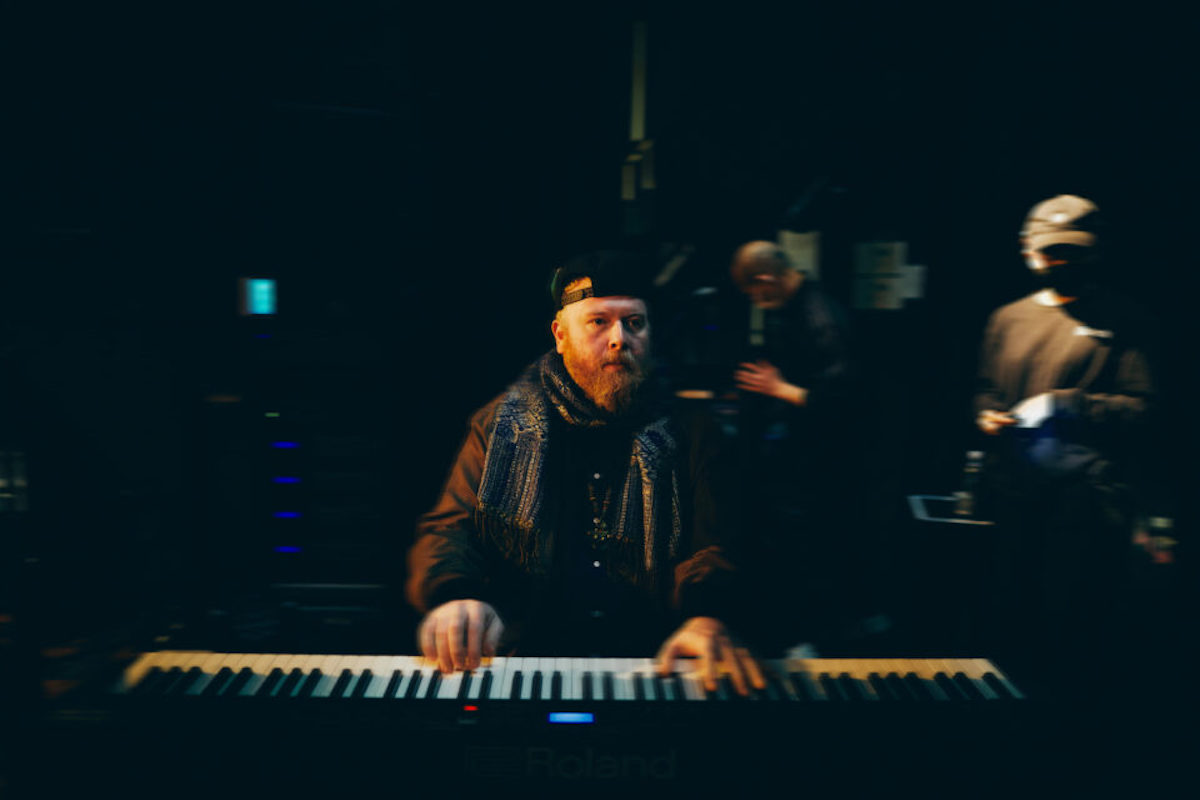
Aaron Choulai. Photo supplied
Another standout presence was the orchestra’s artistic director, Aaron Choulai, whose piano playing threaded through the work. His compositions and interludes ranged from quirky rhythmic figures to passages of striking lyrical beauty. At times the orchestra’s written material swelled behind the vocals, creating a rich sonic backdrop.
Kojoe also performed in English and sang, delivering a soulful song about struggle that moved through shifting rhythms and moods. Choulai accompanied with variations on Moon River, adding a reflective undercurrent. The collaboration between the hip-hop artists and the orchestra clearly resonated with the crowd, many of whom stood to watch the performance.
Cuban pianist Roberto Fonseca demonstrated that while the visual spectacle of his show La Gran Diversión can help draw an audience in, it is ultimately the music that carries the performance.
For his first WOMADelaide appearance he presented the full stage production previously seen in Melbourne, complete with projected images and film sequences. For his second concert the following day, however, Fonseca dispensed with the projections and focused purely on the music.
Despite a delayed start caused by technical issues, the pianist appeared relaxed and upbeat, attempting to coax the audience into singing along. In the fierce afternoon heat the response was initially subdued. But the mood shifted once the band launched into a series of infectious, danceable mambos featuring show-stopping solos from Fonseca’s impressive ensemble.
By the end of the set the audience had fully warmed to the performance. Even after the music stopped, fragments of the dance refrains could still be heard drifting across the festival site.






Comments
Log in to start the conversation.