




Ludovico Einaudi’s commercial success has often made him a lightning rod for critical snobbery, as if popularity were somehow at odds with artistic depth. Yet history reminds us that mass appeal and musical discipline are hardly mutually exclusive.
Composers like Franz Liszt, often dubbed “the first rock star”, dazzled audiences in their own time with virtuosity and charisma – a comparison that feels entirely apt for Einaudi, who regularly receives the rapturous, rock star-like adulation of capacity crowds. This enthusiasm is no mere flash in the pan; beneath the accessible melodies and ambient textures lie a rigorous technique and deep compositional craft that not only command respect but also inspire awe.
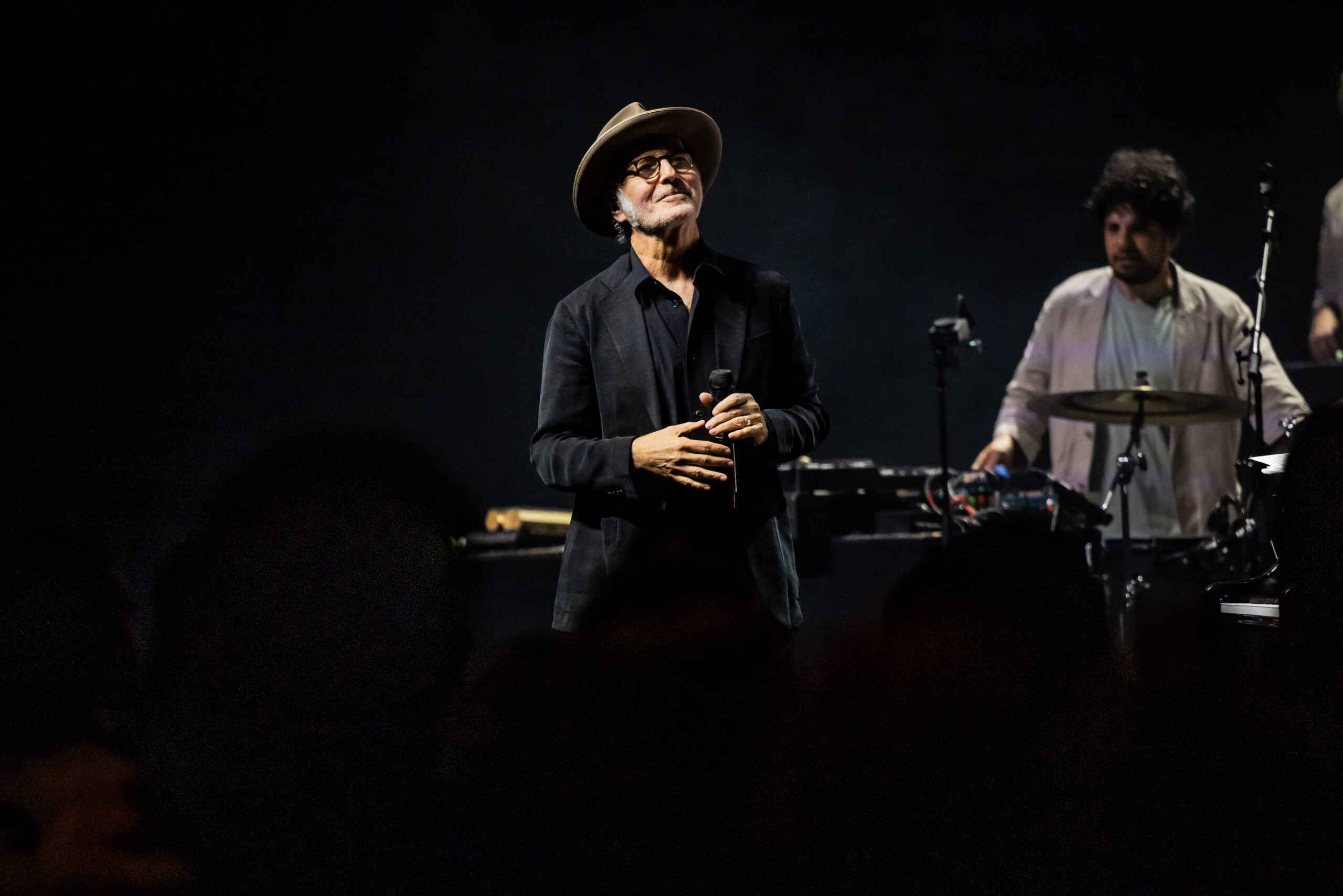
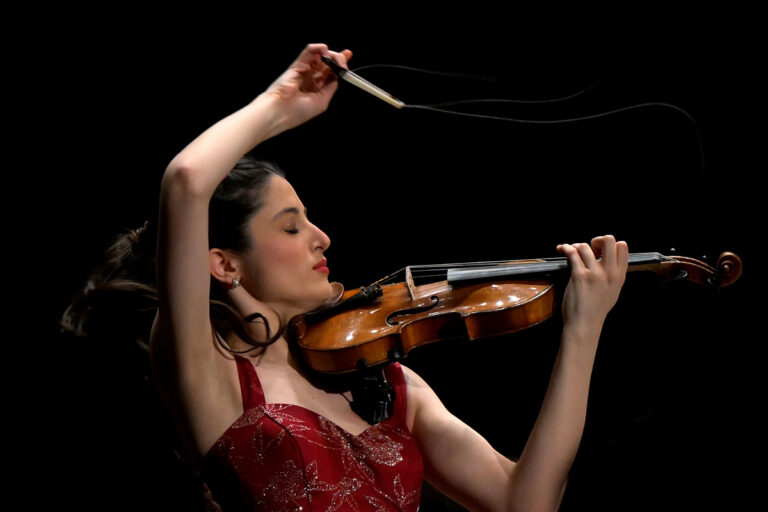
Ludovico Einaudi at the Sydney Opera House, 2026. Photo © Ken Leanfore
Although Einaudi is most often framed as a minimalist, the deeper structural logic of his music consistently reaches back to the Baroque: the Fortspinnung of small motifs through continuous variation, the reliance on a ground bass akin to basso continuo, and a fascination with balance, repetition, and formal clarity reminiscent of Bach’s keyboard suites and Vivaldi’s ostinato-driven textures.
Crucially, these inherited processes are shaped by a vernacular Italian sensibility that...
Continue reading
Get unlimited digital access from $4 per month
Already a subscriber?
Log in




Comments
Log in to start the conversation.