




Gustav Mahler was haunted by the “Curse of the Ninth”, a superstition that classical composers would die during or after writing their ninth symphony.
Beethoven, Schubert and Dvořák all seemingly succumbed and likely were the cause of Mahler’s fear. He tried to trick the Curse by titling his ninth symphonic work Das Lied von der Erde (The Song of the Earth) instead of giving it a number, and calling his next work, really his tenth symphony, the Ninth.
But he died before completing his 11th symphony (numbered 10) and never heard a performance of his Ninth.
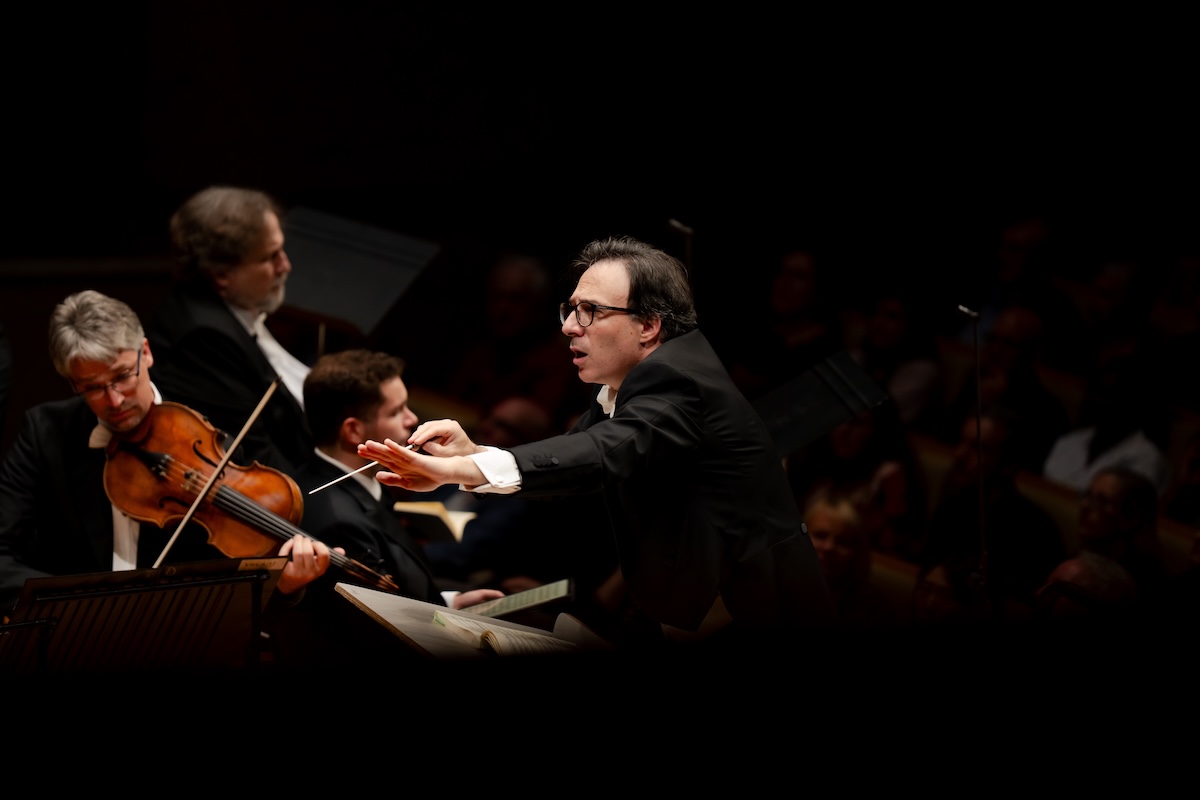
Umberto Clerici conducts the QSO. Photo © Sam Muller
Even so, Mahler’s four-movement Symphony No. 9 in D, as well as being a work of epic proportions at 80 minutes, is said to be autobiographical and even morbidly prophetic, given its structure and some of its markings.
It covers the full range of human emotions, coming, as it did, not long after Mahler lost his four-year-old daughter to scarlet fever, and with his own health in rapid decline.
The work is a reflection on...
Continue reading
Get unlimited digital access from $4 per month
Already a subscriber?
Log in






Comments
Log in to start the conversation.