A major new Indigenous-led arts festival will place music, performance and cultural knowledge at the centre of a five-day celebration of First Nations creativity when Kindred People launches across Monash University’s campuses on Boonwurrung Country.

Beginning on 1 September, the inaugural five-day festival will bring together artists, Elders, Knowledge Holders and communities from Australia and overseas for a program of music, theatre, dance, visual arts, talks, workshops and ceremony. Curated by Gunditjmara man Tom Molyneux and guided by an Indigenous Steering Committee, Kindred People aims to foster cultural exchange while showcasing contemporary Indigenous artistic practice and ancient knowledge systems.

“Kindred People is unique,” says Molyneux. “It is a celebration of First Nations art, culture, ceremony and wisdom. It is a coming together of global communities, an exchange of knowledge, stories, truths, and research. It is a weaving together of our collective experiences in the face of existential challenges. It is healing. It is transformative. It is where tradition and the contemporary collide.”
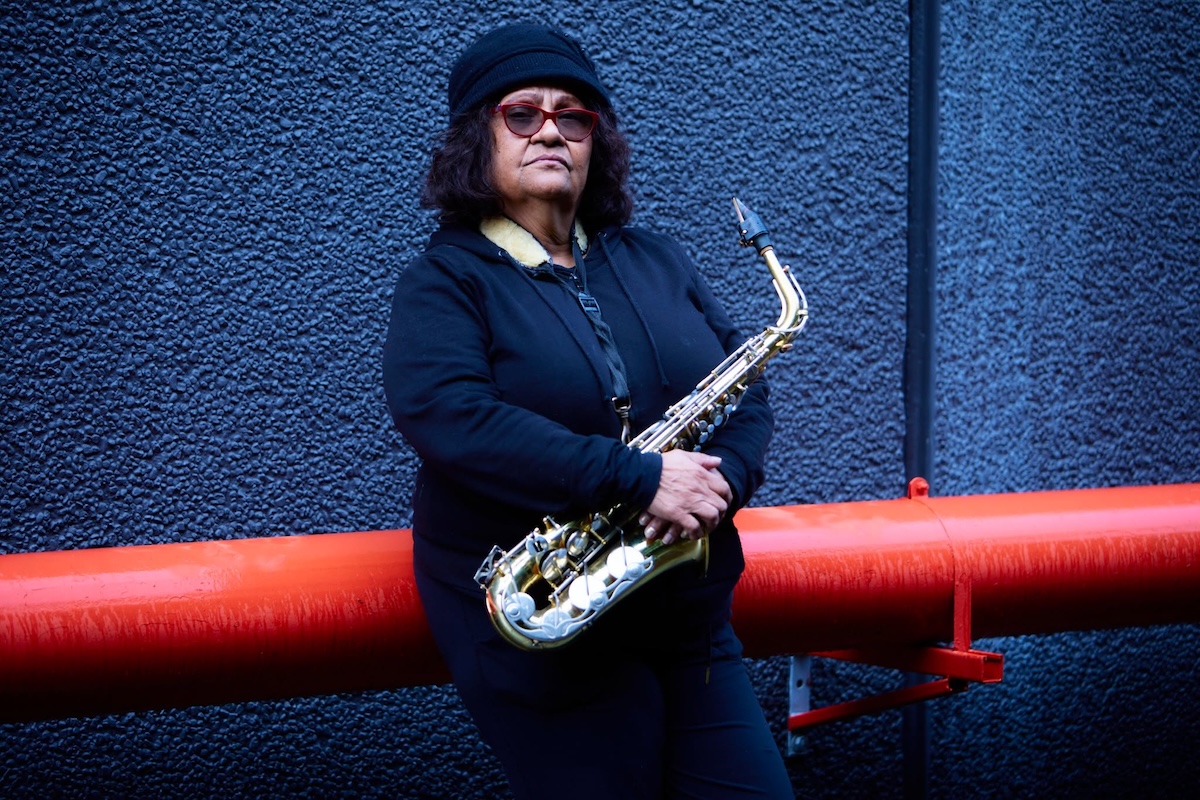
Marlene Cummins. Photo supplied

Music is a major focus of the inaugural program, headlined by a festival-exclusive performance from blues musician and proud Guguyelandji and Woppaburra woman Marlene Cummins, who performs at The Count’s on 2 September, joined by Hammond organ player Clayton Dooley.

Among the festival’s most anticipated events is Decolonising the Bells, a new work by Noongar composer and violist Aaron Wyatt in collaboration with Speak Percussion. The immersive audio experience reimagines Victoria’s Federation Handbells through spatial sound and Indigenous perspectives, questioning traditional narratives of commemoration.

Award-winning singer-songwriter Shellie Morris will also feature in a free lunchtime concert on September 3, culminating a residency with students from Monash University’s Sir Zelman Cowen School of Music. The festival will conclude with a free concert headlined by electronic music duo Electric Fields as part of Community Day on September 5.

Electric Fields. Photo supplied

Performance also plays a prominent role in the festival. Another world premiere, The Scarecrow and Waa, comes from Narrm-based Na Djinang Circus, which describes the work as a “Blak comedic circus tragedy” inspired by stories from Kulin Country. Commissioned by Monash University, the production opens the festival on September 1.

The international program includes the Australian premiere of He Huia Kaimanawa, an immersive performance by Aotearoa/New Zealand artists Bianca Hyslop and Rowan Pierce exploring the revitalisation of Te Reo Māori through movement, voice and design.

Also making its Victorian premiere is UPU, a celebrated theatrical work bringing together poetry and storytelling from across the Pacific. The production arrives in Melbourne following a Canadian tour and a sold-out season at the Sydney Opera House in 2025.

Dance features strongly with the Victorian premiere of Two Blood 雙血 from Australian Dance Theatre. Created by playwright S. Shakthidharan and co-choreographed by Wiradjuri artistic director Daniel Riley and Tagalaka artist Jasmin Sheppard, the interdisciplinary work explores ancestry, identity and cultural memory.

Australian Dance Theatre: Two Blood. Photo © Morgan Sette

Beyond performance, the festival’s intellectual centrepiece is kummargi yulendj gadhaba, a two-day speakers program bringing First Nations thinkers together to discuss creative practice, knowledge exchange and global Indigenous perspectives.

The festival opens with Wurrungi Biik, a protocols day for Indigenous delegates and artists, before a ceremonial welcome to Boonwurrung Country led by senior Boonwurrung Elder Professor Carolyn Briggs. The opening ceremony, Tanderrum Dambali, will formally welcome audiences and honour Elders, Knowledge Holders and community leaders.

For more information and bookings, visit this link.

Get our free weekly round-up of music, arts and culture.