

An investigation undertaken by The Atlantic has revealed the inclusion of millions of musical works in four major datasets used to train artificial intelligence (AI) which includes material from Australian and New Zealand artists.
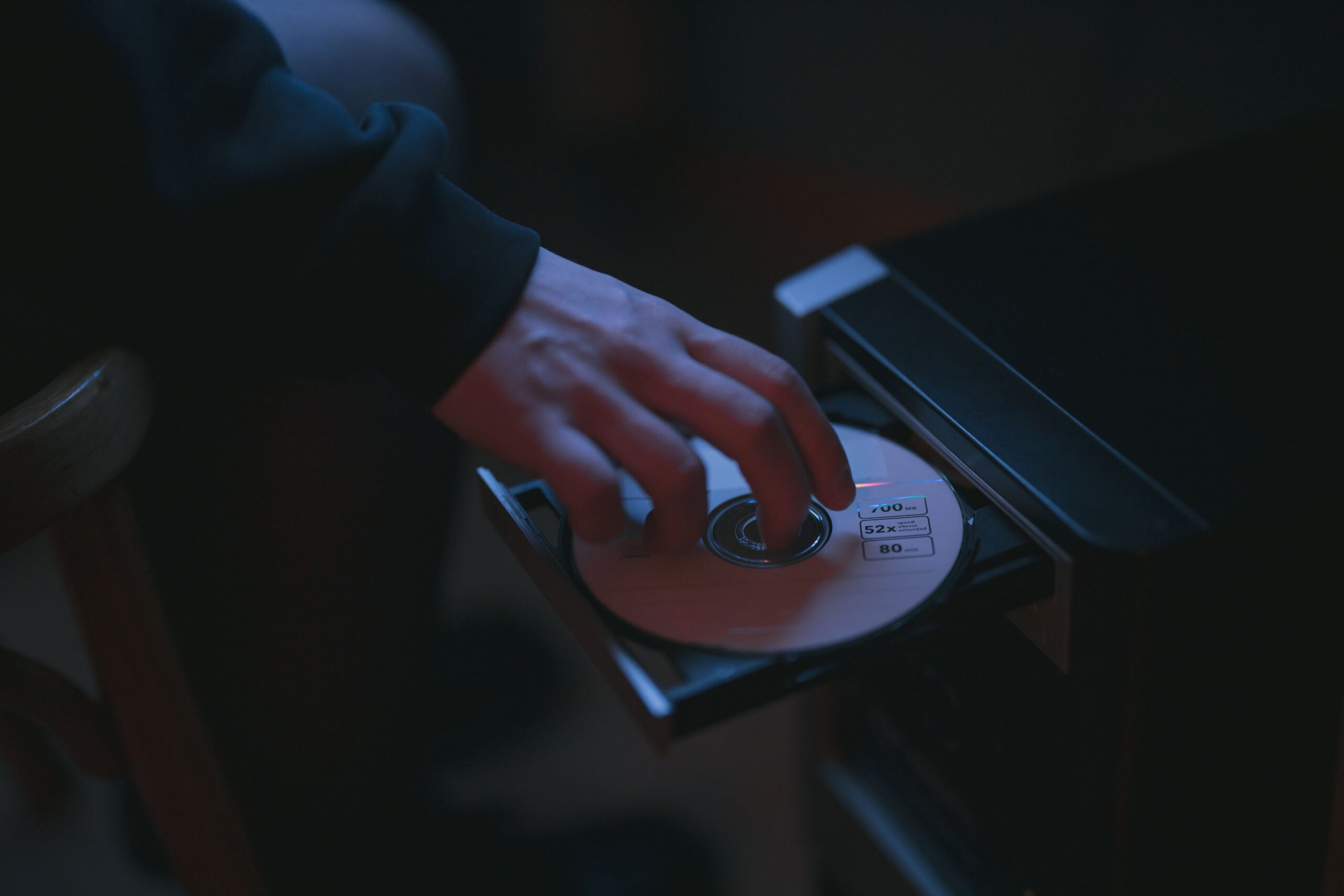
Photo © Cotton Bro Studios/Pexels

The Atlantic‘s AI Watchdog tool allows users to search for creators (musicians, writers, actors, YouTubers) to see if their work is included among four datasets used to train generative AI models.

Australian composers whose works appear in the datasets include Liza Lim, Carl Vine, Elena Kats-Chernin, William Barton, Brett Dean, Nat Bartsch and Ross Edwards.

Every state Australian symphony orchestra also appears in the The LAION-DISCO 12M dataset, a collection of more than 12 million YouTube samples gathered by a German non-profit organisation, including recordings from the Sydney (200), Melbourne (177), Queensland (163) Adelaide (162), Tasmanian (51), and West Australian (15) symphony orchestras.

Other leading artists and organisations that appear in the search include the Australian Chamber Orchestra, playwrights Suzie Miller and David Williamson, actors Cate Blanchett, Philip Quast and Robyn Nevin and film composers Caitlin Yeo, Amanda Brown and Jed Kurzel.

The Atlantic‘s investigation, led by writer Alex Reisner, has proven that AI companies’ datasets include material not made freely available, despite common claims to the contrary.  This material – taken from Spotify and YouTube, among other sources – is also often accessed using methods that bypass paid accounts and advertisements, both of which factor into payments for creators.

The Atlantic notes that the presence of a work within these lists is not “definitive proof” that it has been used to train AI, and that a work’s exclusion is also not proof that it hasn’t been used.

Suno. Photo © Aerps.com/Unsplash

There is also no current obligation for AI companies to disclose their training data and how it was sourced. OpenAI has not shared the set of 1.2 million songs used to train its music-generating Jukebox model, while AI music platform Suno is currently facing a lawsuit from Universal Music Group and Sony Music Entertainment for using their property in training without compensation.

Though Australian creative material is now proven to be amongst these datasets, there’s been no major cases brought to AI developers by copyright holders to date – opaqueness around training data and offshore training means that bringing a legal challenge to major AI companies is particularly difficult in Australia.

Australia is also yet to introduce any specific governance laws around AI; the 2024–25 Federal Budget dedicated $15.7 million to support the development of government AI policy and the reviewing and strengthening of existing regulations in areas including copyright law.

In October 2025, the Albanese Government said that it had no plans to introduce a Text and Data Mining exception, which would loosen the law around the use of that material (including music) for AI training,

APRA AMCOS, Australia and New Zealand’s peak music licencing body, is leading the charge for the implementation of a legal licencing framework to ensure that Australian and New Zealand creators are remunerated for use of their work in training generative AI.

In a statement released on 19 June, the organisation called The Atlantic‘s findings ‘proof of theft’ from Australian creators; with no current framework to compensate Australian artists, CEO Dean Ormston has said that creators across Australia and New Zealand “stand to miss out on more than $500 million over just four years“.

“This week, AI companies are asking the Australian and New Zealand Governments for a copyright carve-out. This week, we can show you exactly what they have already taken. No permission. No licence. No payment. These are not bargaining chips, they are the life’s work of Australian and New Zealand songwriters,” he said.

Released in August 2024, APRA AMCOS’s landmark AI and Music report found that Australian creators will also see 23 percent of their income at risk due to generative AI. It also found that 97 percent of music creators demand that “policymakers should pay more attention to AI and copyright”, with 93 percent calling for remuneration for the use of creative work in training.


The Atlantic‘s AI Watchdog can be found here.

Limelight‘s cover story for the July 2026 issue, Aid or Adversary?, discusses the use of AI with Australian creatives. Read more here.

Get our free weekly round-up of music, arts and culture.