There is something inherently cinematic in an opera house preparing for opening night. Add Verdi, La Scala and the controversial Russian prima donna Anna Netrebko to the mix and the ingredients for backstage drama would seem almost too perfect – explosive even. 

But La Scala: The Force of Destiny is more interested in observing the extraordinary machinery and collective effort required to make a major production appear effortless than revealing episodic flarings of backstage tension. 
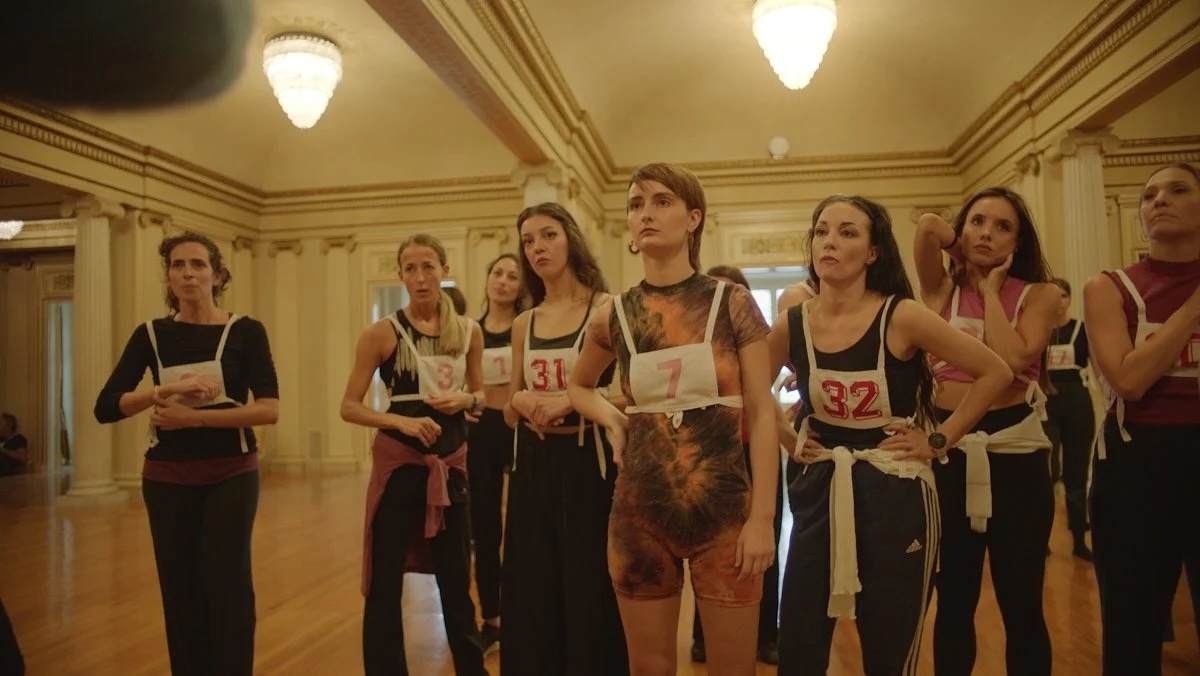
Dancers audition for La Scala’s La Forza del Destino. Photo supplied

French director Anissa Bonnefont’s fly-on-the-wall documentary follows the 80 days leading up to La Forza del Destino, the opening production of La Scala’s 2025 season. There are no talking heads or explanatory voiceovers. Instead, Bonnefont’s gliding cameras quietly observe the singers, creatives, technicians, chorus and stage crew as they work towards the first night. The film offers unusually intimate access to an institution that has, until now, largely kept its doors closed to cameras.

What is striking is just how smooth the whole process appears to be. With around 900 people contributing to the production, one might expect more in the way of backstage mayhem, bruised egos and last-minute disasters. Instead, Bonnefont finds an almost hypnotic rhythm in the endeavour. Rather than cutting the production into a series of dramatic spikes, she allows the action to unfold organically and chronologically.

Naturally, there are expressions of exasperation, some nerves and the sense of a loudly ticking clock in the background, but conductor Riccardo Chailly, director Léo Muscato, costume designer Silvia Aymonino and set designer Federica Parolini emerge as meticulous and caring professionals, their apparently endless attention to detail gradually transforming ideas on paper into a sumptuous theatrical reality.

Léo Muscato and Riccardo Chailly

That sense of seamless forward motion is reflected in Martina Cocco’s cinematography. The camera moves through rehearsal rooms, workshops, corridors and the auditorium with an unobtrusive fluidity reminiscent of Alexander Sokurov’s Russian Ark. At times, it feels as though we are eavesdropping rather than witnessing.

The film gives its celebrated performers their due, though we see comparatively little of Netrebko and her process. Muscato comes across as a calm, good-humoured figure, belying the pressure that comes with wrangling a hugely ambitious staging spanning centuries of warfare to the stage. Maestro Chailly’s command of Verdi’s score and of his musicians is compelling.

La Scala: The Force of Destiny is one of those “love-letter” films – elegant, affectionate and respectful. It manages to steer clear of the hagiographic, however. Those expecting screaming matches, tenor showdowns and weeping creatives may be disappointed, but it is still a fascinating portrait of the collective endeavour of opera and of the individuals who make the magic happen. 


La Scala: The Force of Destiny plays in the 2026 St Ali Italian Film Festival, from 16 September. 

Contribute to Limelight and support independent arts journalism.