This innovative program pairs two works by Australian composer Meta Cohen – Delphi Songs for voice and piano and The Warning Never Heard for solo piano – with Olivier Messiaen’s monumental Visions de l’Amen for two pianos.
Both composers’ music is embedded in a wider literary and philosophical context, and the program notes and festival director/pianist Coady Green’s verbal introductions provide a vital frame of reference.
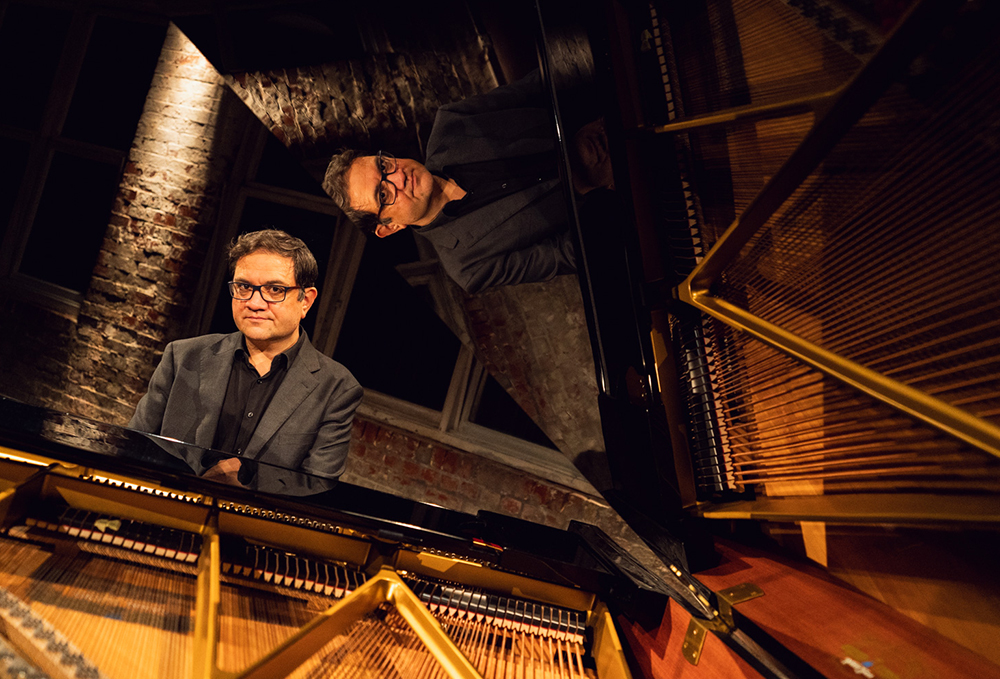
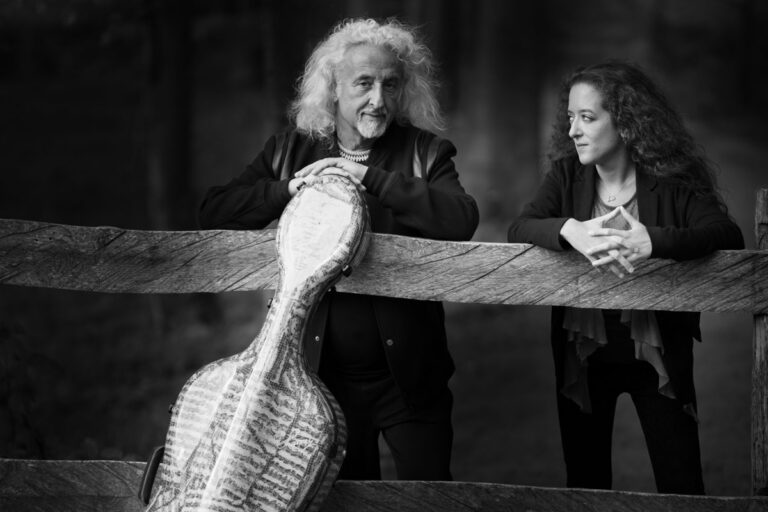
Coady Green. Photo supplied
Cohen’s Delphi Songs are, in her words, “a collection of four musical episodes that meditate on prophecy, decline and the fragility of what we hold sacred”.
Inspired by the prophecies of Pythia, the Oracle of Delphi, Cohen sought to convey the high priestess’s feelings of awe, power and loss, isolated by her gifts; her mounting horror as she watches “something once eternal begin to rot”; and her despairing, almost disbelieving realisation that “it is finished”.
Mezzo-soprano Jessica Aszodi has the musicality, exquisite voice and exceptional technique needed to give an inspiring performance of Cohen’s technically and emotionally challenging score, accompanied with great finesse by Green.
Highlights include the poignant unaccompanied opening solo and the pathos of the finale. Both performers also strike, stroke and scrape “singing bowls”, which conjure images of ancient worlds.
Green returns to the stage to play The Warning Never Heard, a four-movement piano suite about the mythical prophet Cassandra.
Like the Delphi Songs, this work ranges emotionally through violence, gentleness, frustration and despair; but, unlike the Songs, Cohen seeks to express the underlying experience wordlessly. She communicates each movement’s distinctive emotional flavour with a large range of pianistic effects (including runs made with the fist), but also provides program notes that explain the concepts on which they are based. Cohen is in the audience and receives warm applause for both works.
Messiaen wrote Visions de l’Amen in 1943, during the German occupation of Paris – a period characterised by the type of fragility and decline that concerns Cohen. The seven movements in the Visions depict elements of the natural and spiritual world for which an “Amen” is offered.
Messiaen gave the complex rhythmic and filigree passages to the first piano, reserving themes requiring “emotion and strength” for the second piano, which he himself played in the 1943 premiere.
Marc Peloquin (second) is a consistently solid anchor; Green (first) plays the filigree parts with admirable fluency; and the tender moments – particularly the birdsongs and Amen of Desire – are very delicately executed.
The fortyfivedownstairs Chamber Music Festival continues until 18 May.

Comments
Log in to start the conversation.