




Rossini’s operas reveal the composer’s robust sense of humour. Naming his mass Petite Messe Solennelle is another example of his playful personality, because the challenges for the choir and soloists are massive – anything but petite – and the scope is curiously diverse, at times recalling JS Bach’s liturgical focus and at others embracing an upbeat operatic style.
Rossini wrote his Petite Messe Solennelle in 1863, 30 years after the premiere of William Tell, his last opera. The Mass is scored for the unusual combination of four-part chorus, four vocal soloists, two pianos and harmonium. The small number of instruments employed makes it popular, particularly for pedagogical purposes and for organisations with trim budgets.
Due to tuning incompatibilities, the harmonium, which was to be played by Dr Graeme Norton, is replaced by QPAC’s organ. Liam Viney, Head of the University of Queensland’s Music Faculty, delivers the accompaniment distinctively, with admirable textural clarity and rhythmic precision. His interpretation of Preludio, a piano interlude, is sublime.
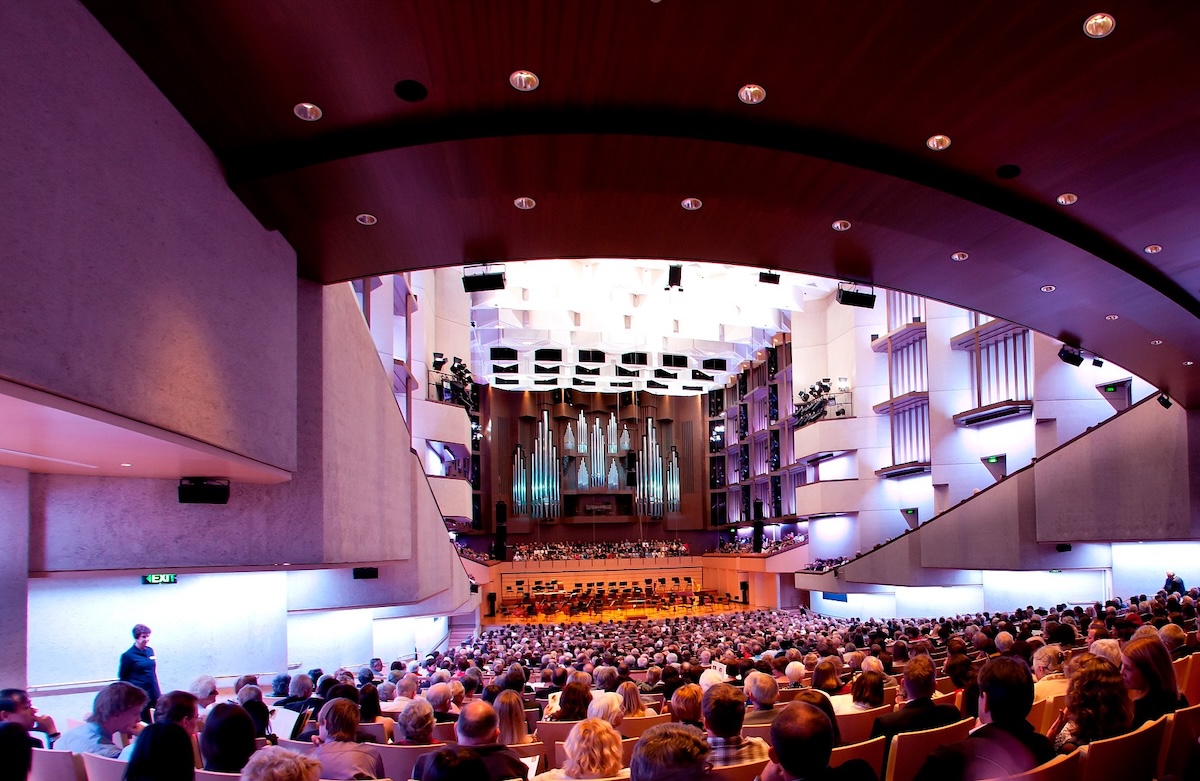
Richard Mills, who conducted Opera Queensland’s recent production of Rossini’s opera La Cenerentola, also leads this ambitious offering. While Rossini’s scoring may be economical in this arrangement (he later...
Continue reading
Get unlimited digital access from $4 per month
Already a subscriber?
Log in




Comments
Log in to start the conversation.