
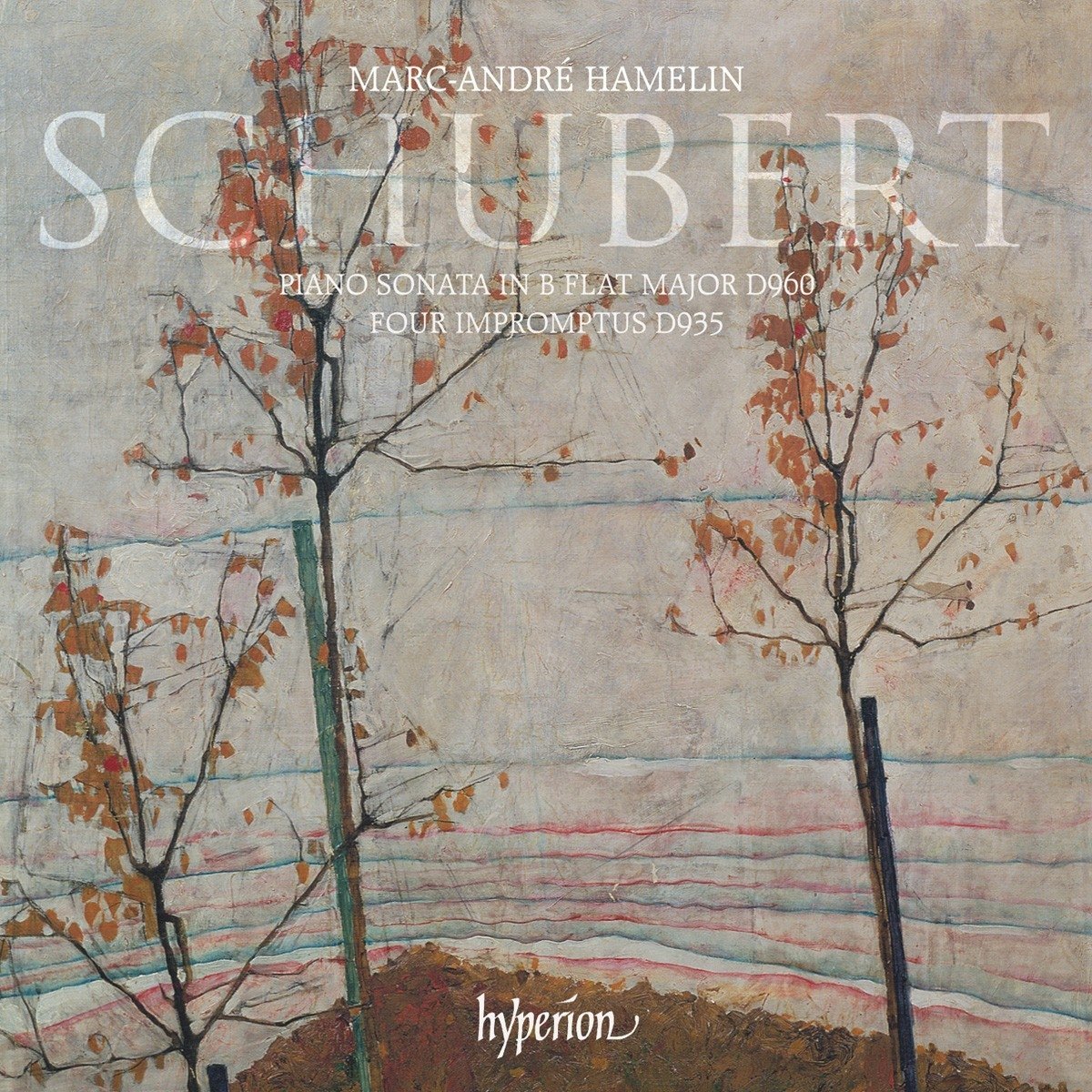
Continue reading
Get unlimited digital access from $4 per month
Already a subscriber?
Log in




Hamelin scales Schubert’s heights and plumbs his depths.
Get unlimited digital access from $4 per month
Already a subscriber?
Log in
Contribute to Limelight and support independent arts journalism.

Explore our 2026 Guide and vote for your favourite pieces of Australian art music.

Our specialist writers analyse this year’s offerings in theatres and concert halls.

Find out what’s happening this week and add your own events to our free online calendar.

Substantial discounts when you subscribe to Limelight and a partner arts organisation.



Comments
Log in to start the conversation.