




Former dancer Li Cunxin is an author with built-in rhythm. Even when he’s describing the quiet ache of memory, or the sharp edges of ambition, his prose moves like music – measured, melodic and also everyday and intimate. In The Lucky Son, the sequel to his celebrated memoir Mao’s Last Dancer, he returns to the question that seems to have followed him throughout his life: what happens after the ‘lucky’ break; after fate opens a door and, for all sorts of reasons, you have to walk through it?
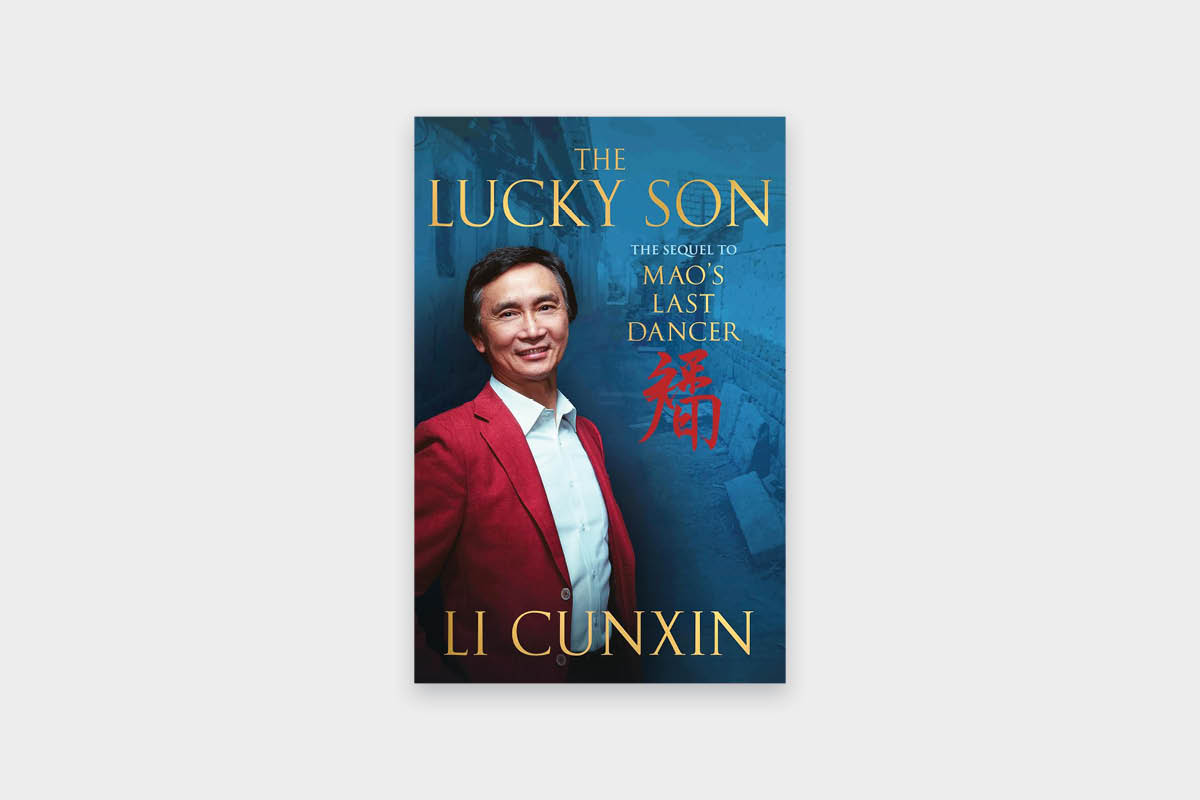
Where Mao’s Last Dancer delighted readers with its rural-to-riches story of a poor boy picked by the Beijing Dance Academy who goes on to international success, the sequel broadens the stage. Li navigates not only training, travel, international fame and performance, but the consequences. He was lionised in the West, acclaimed as one of the world’s finest dancers and, later, as Queensland Ballet’s galvanising Artistic Director and a cultural leader. Success is no tidy ending, however. Rather, it’s a beginning, and one that demands emotional accounting.
One of The Lucky Son’s strengths is its clear-eyed view of the...
Continue reading
Get unlimited digital access from $4 per month
Already a subscriber?
Log in




Comments
Log in to start the conversation.