




The posthumous premiere in Milan of Giacomo Puccini’s Turandot in 1926 was very much a departure from the composer’s earlier work. Gone was the verismo for which he was renowned, replaced by the new, dissonant language of a post-Wagner, post-Schoenberg world.
Since then, despite its radical nature, Turandot has rarely inspired anything other than an overindulgence in the excesses of Chinoiserie – that is, until now.
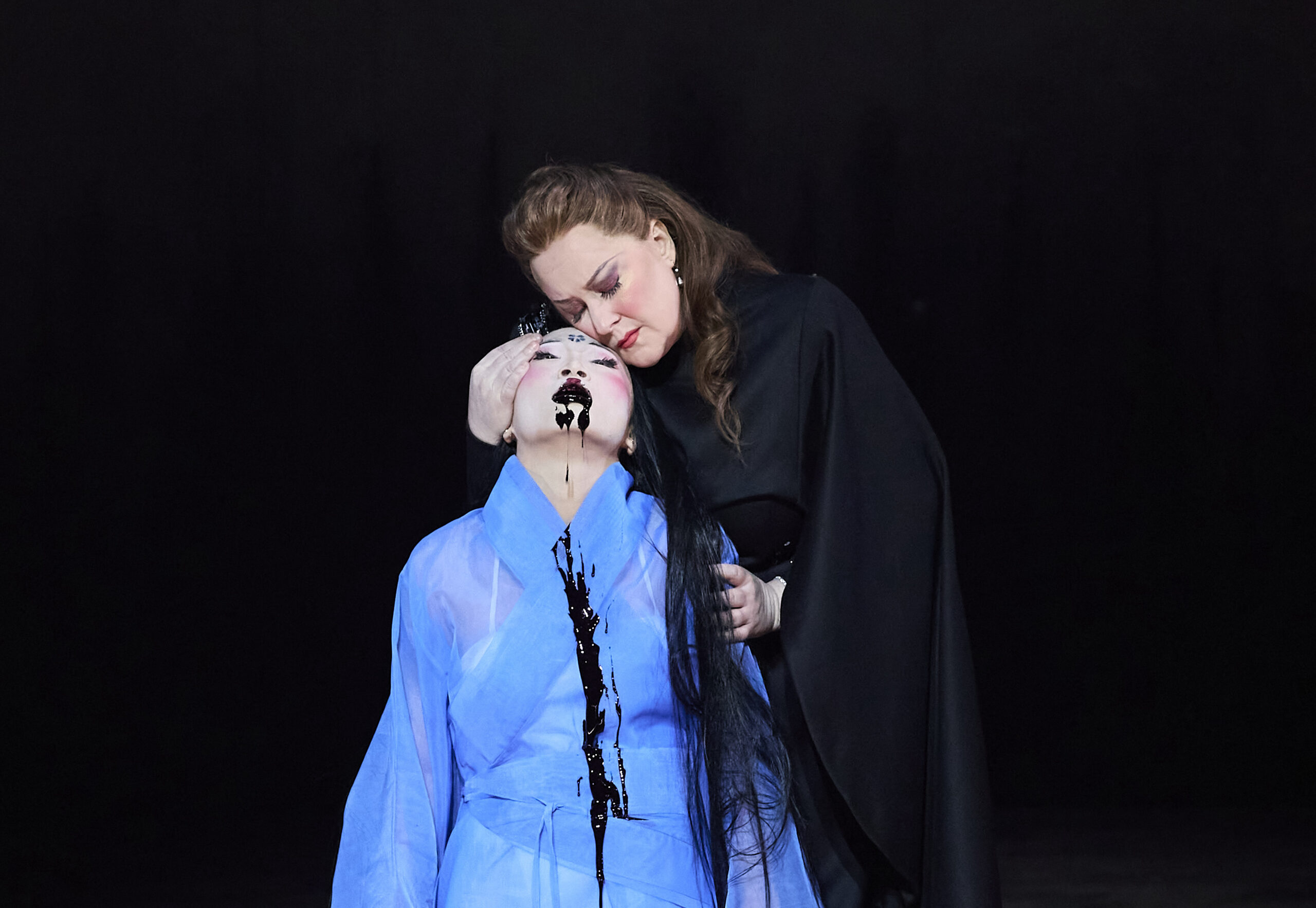
Hoyori Maruo and Rebecca Nash as Turandot in Opera Australia’s Turandot 2026 © Keith Saunders
To mark the opera’s 100th anniversary, director and choreographer Ann Yee has chosen to instead focus on the intergenerational trauma caused by the murder of Turandot’s ancestor Lou-Ling.
This is hardly a new approach, with several directors going down that path in recent years, among them Alex Ollé. However, Yee’s treatment, which sees Lou-Ling embodied by dancer Hoyori Maruo, is arguably the most potent to date.
Maruo begins the proceedings, silently contorting herself in a representation of Lou-Ling’s death throes, before Rebecca Nash (Turandot) steps out of the darkness and embraces her.
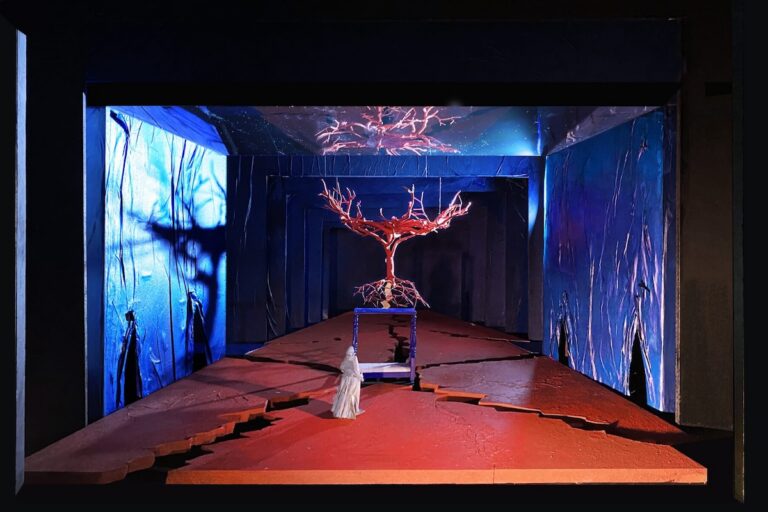
The black ooze Maruo spews forth contaminates the ground, creeping up the walls of Elizabeth Gadsby’s set and staining the inhabitants’ clothes...
Continue reading
Get unlimited digital access from $4 per month
Already a subscriber?
Log in





Comments
Log in to start the conversation.