




Giuseppe Verdi was not the most devout composer of his time, but in Italy he was the most popular. When Rossini died, Verdi set about organising a requiem in the older master’s honour. That project foundered, and Verdi’s Libera me found its way into his full Requiem, written in 1873 in memory of Alessandro Manzoni.
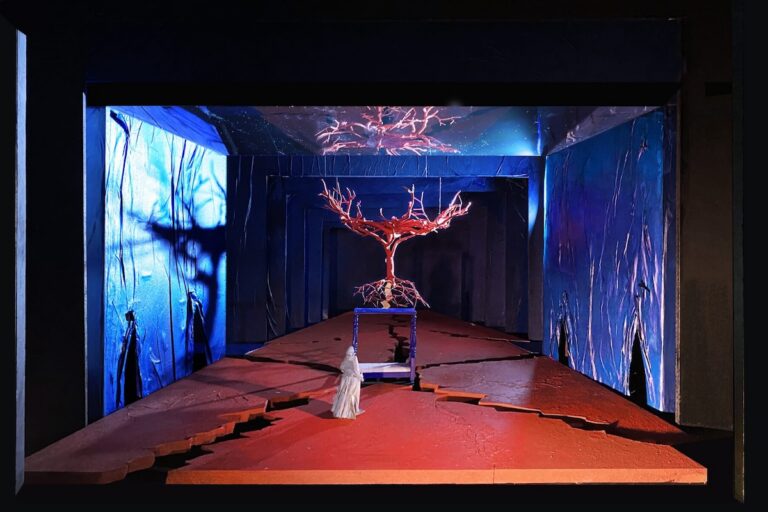
From the start, Verdi’s Requiem was more about public than private grief. It is operatic in style and scope – indeed, three of the original soloists sang the leads in the European premiere of Aida. Some conductors try to emphasise the spiritual side of the work, but Verdi’s Requiem is a matter of blood and guts as much as life and death. The chorus’s doomed Requiem aeternam is suffused with the portent of high tragedy. The opening of the Dies irae, with its drum whacks and shattering minor...
Continue reading
Get unlimited digital access from $4 per month
Already a subscriber?
Log in







Comments
Log in to start the conversation.