




When a composer writes simultaneously out of landscape and wound, the question isn’t whether sentiment overwhelms craft, but whether the two have become indistinguishable. This recording answers emphatically: in Xiaogang Ye’s best work, they have.
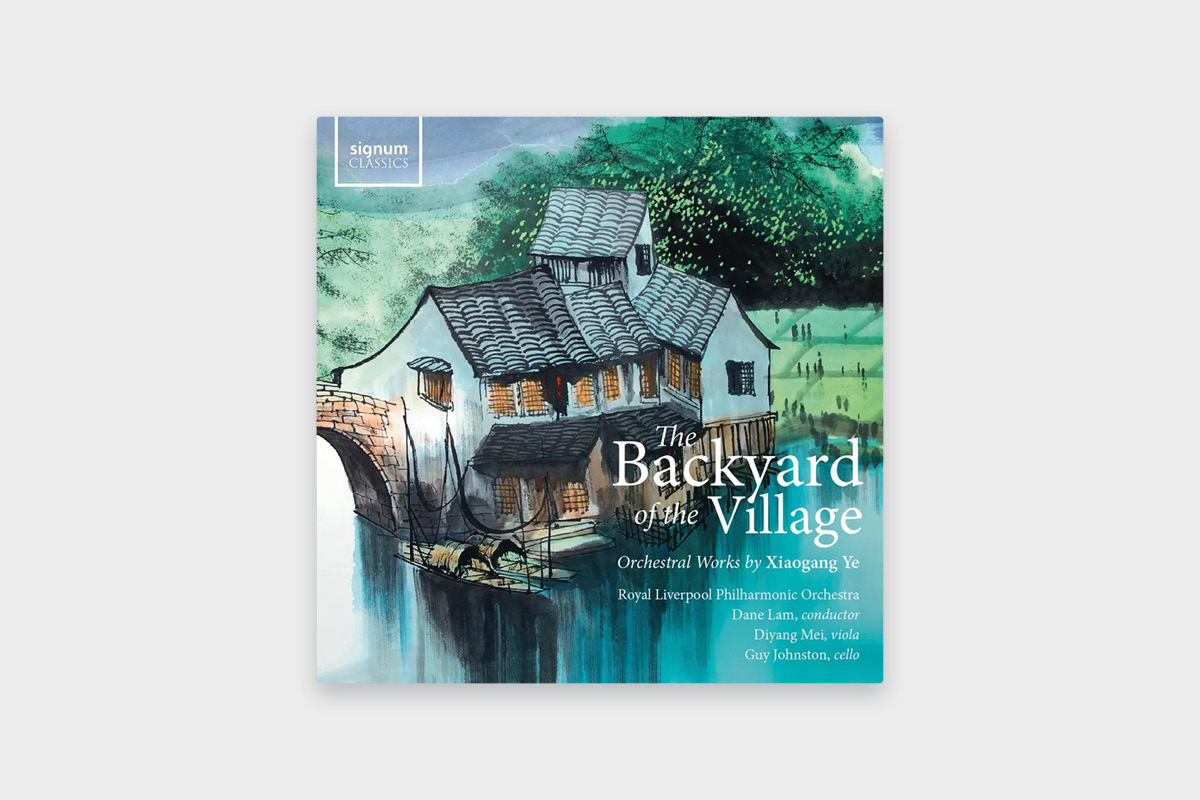
Here are four orchestral pieces rooted in Chinese geography and memory, spanning two decades. The title work is the most immediately winning. Written rapidly for a festival commission, it wears its urgency lightly. The flute’s opening solo – each bar metrically unmoored, the next phrase always a mild surprise – is like a calligrapher beginning a character before settling on its final form; the orchestra arrives not as accompaniment but as communal assent. Lam and the RLPO catch both the folk-inflected vivacity and the longer pastoral breath without sentimentalising either.
My Faraway Nanjing is the recording’s moral core. A memorial to those killed in the 1937 atrocity, it doesn’t illustrate horror so much as inhabit its long shadow. Guy Johnston’s cello moves through the darkened orchestral textures like a single figure in a Käthe Kollwitz charcoal – isolated, exposed, stubbornly human. The work’s closing...
Continue reading
Get unlimited digital access from $4 per month
Already a subscriber?
Log in







Comments
Log in to start the conversation.