


At first glance, there is little that connects the two works on this program save that both were composed during the 1940s. Henri Tomasi’s 1949 concerto for alto saxophone was given a rousing and vivid rendition by American Steven Banks, who is well known for commissioning saxophone repertoire and promoting diverse voices on the stage.
Written as a test piece for the Paris Conservatoire, the concerto is in two movements: a lyrical Andante capped with a substantial cadenza with harp accompaniment, and a much shorter finale titled Giration in which the player can show off rapid finger-work and breath control.
Banks’s tone throughout the instrument’s range was exquisite, his legato mesmerising, and his demeanour unfussy and confident. This was not flamboyance, but graceful and sensuous playing that conveyed the work’s evident joy subtly until its more boisterous climax.
Tomasi (1901–1971) spent much of the 1930s as director of the Radio-Colonial Orchestra in French Indochina (now Laos, Cambodia and southern Vietnam), and one might have expected elements of Orientalism in his work. Yet it is the harmonic language of Ravel, particularly Daphnis and Chloe, that seems to be an influence.
There are elements of jazz, too, though more could have been made of these by both soloist and conductor, who seemed to play it safe inside regular classical boundaries. Nonetheless, this was an exciting and uncommon piece with which to open.
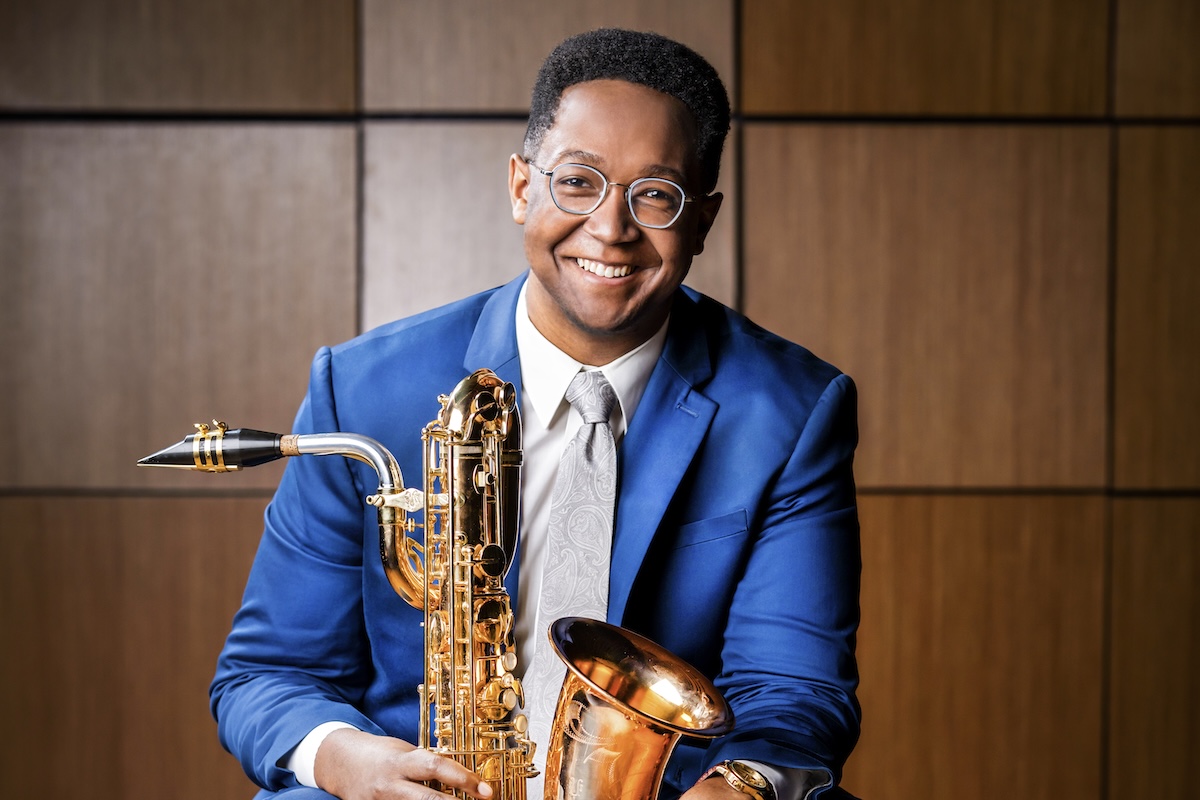
Steven Banks. Photo © Chris Lee
Banks’s technical mastery and effortless playing (and circular breathing) was on further show during a well-deserved encore: his own solo composition Salleras Variation, representing restless thoughts on a sleepless night. A caprice, it displayed quick-fire passage work reminiscent of the Bach unaccompanied cello or violin works.
Shostakovich’s enormous seventh symphony, nicknamed the ‘Leningrad’ because it was largely composed there in 1941, during the darkest days of the German siege, filled the entire second half of almost 80 minutes.
Conductor Jonathon Heyward, music director of the Baltimore Symphony Orchestra, led an expanded MSO (many names were not in the program) in a committed and at times almost overwhelming rendition, Heyward having introduced the symphony as a ‘moving global symbol of resistance.’ What shone through most poignantly were the brief moments of hope when Shostakovich glimpses a brighter future.
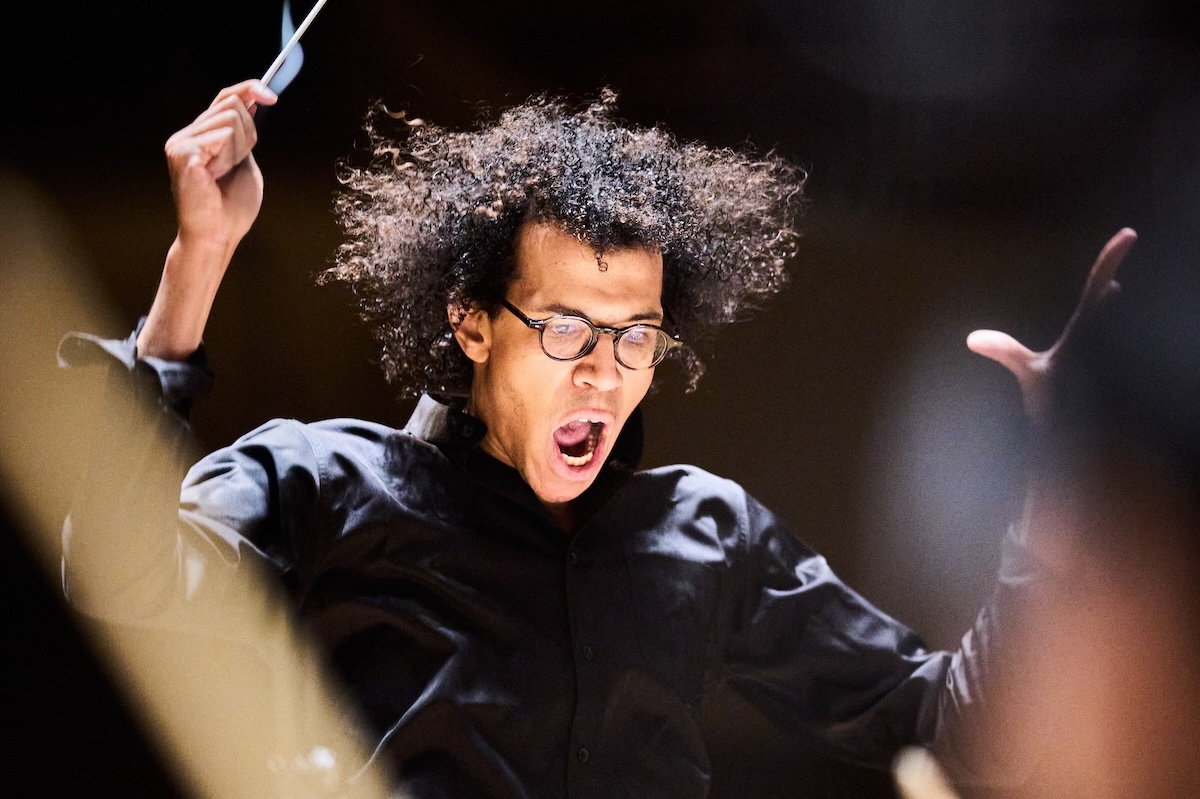
Jonathon Hayward. Photo © Kaupo Kikkas
The opening movement is famous for its Bolero-like snare-drum motive, and here we might see connections between the works on this program. There are folk-like melodies and dance-like rhythms amongst the hardship and yearning, influences akin to jazz in the deep south.
Though he later repudiated the idea of a program for the symphony, Shostakovich clearly intended the first movement to represent the war and the lighter, more lyrical inner movements, his hopes for relief. All sections of the MSO made an impact in this performance. There were brilliant solos from the winds, particularly piccolo and bass clarinet, and passionate section solos from the violins and violas. The large banks of brass and percussion were encouraged to fill the hall when needed, and the long-awaited climax brought the audience to its feet.
Hayward’s direction was concise and his gestures economical, yet none of the emotional power of this symphony was missing or skipped over. The full weight of suffering of an oppressed people was on display and we listeners were completely immersed in it until the final ecstatic release.
Melbourne Symphony Orchestra presents Hope & Bravery at Hamer Hall, Melbourne on Saturday 17 October, 2pm.







Comments
Log in to start the conversation.