




Japanese conductor Nodoka Okisawa made an impressive debut with the TSO; the opening work was Prokofiev’s Symphony No. 1 in D, Op. 25 ‘Classical’. With airy, translucent textures and lifted rhythms, the conductor brought all the wit and style that this charming symphony demands.
Saint-Saëns’ Cello Concerto No. 1 in A minor, Op. 33 incorporates a range of moods within its taut one-movement structure. It is beautifully, if demandingly, conceived for the solo cello, with the orchestration also varied and colourful.
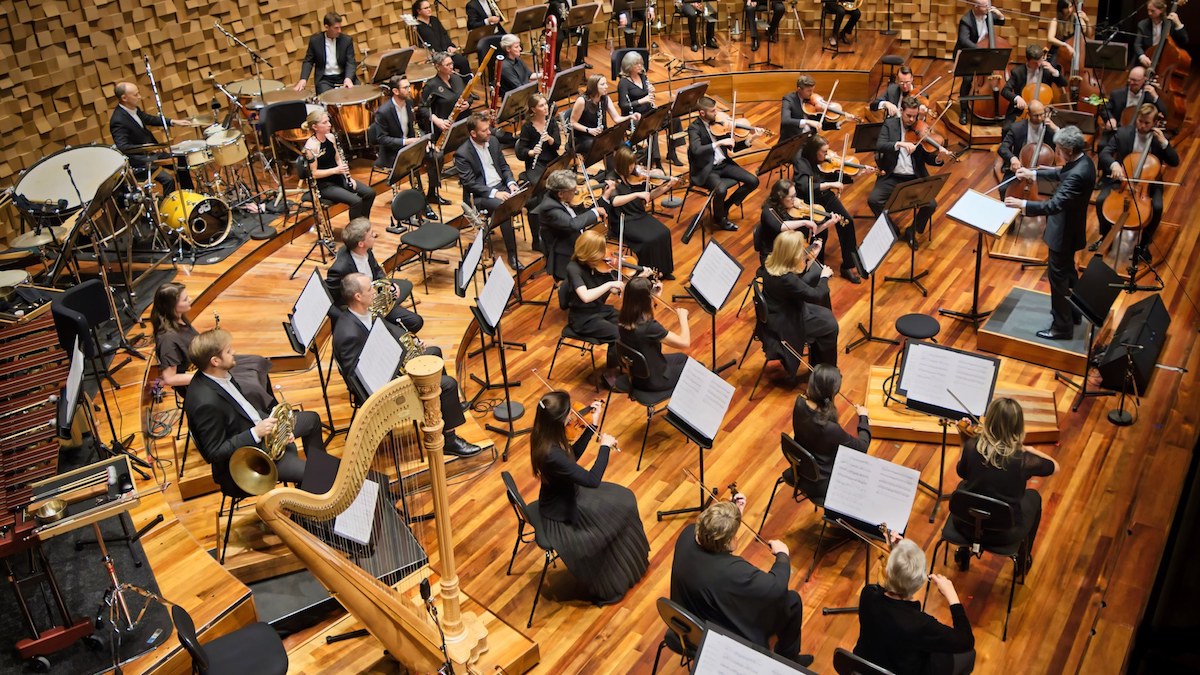
The Tasmanian Symphony Orchestra. Photo supplied
TSO Principal Cello Jonathan Békés brought great virtuosity and warmth, along with a wide dynamic range that incorporated some superbly delicate and withdrawn moments along with robust fullness of tone in the dramatic passages.
The orchestral support provided a model of precision and vigour. An enthusiastic audience response was rewarded with an encore – J.S Bach’s Gigue (VI) from the Cello Suite No. 2 in D minor, BWV 1008.
The second half of the program began with contemporary Japanese composer (born 1953) Takashi Yoshimatsu’s And Birds are Still …, Op. 72 for strings. Inspired by the image of birds gathered around a dead companion, the style is neo-romantic with a beautifully refined, ethereal quality.
At a mere eight minutes, it leaves a deep impression, especially when performed with the tenderness and delicacy demonstrated on this occasion.
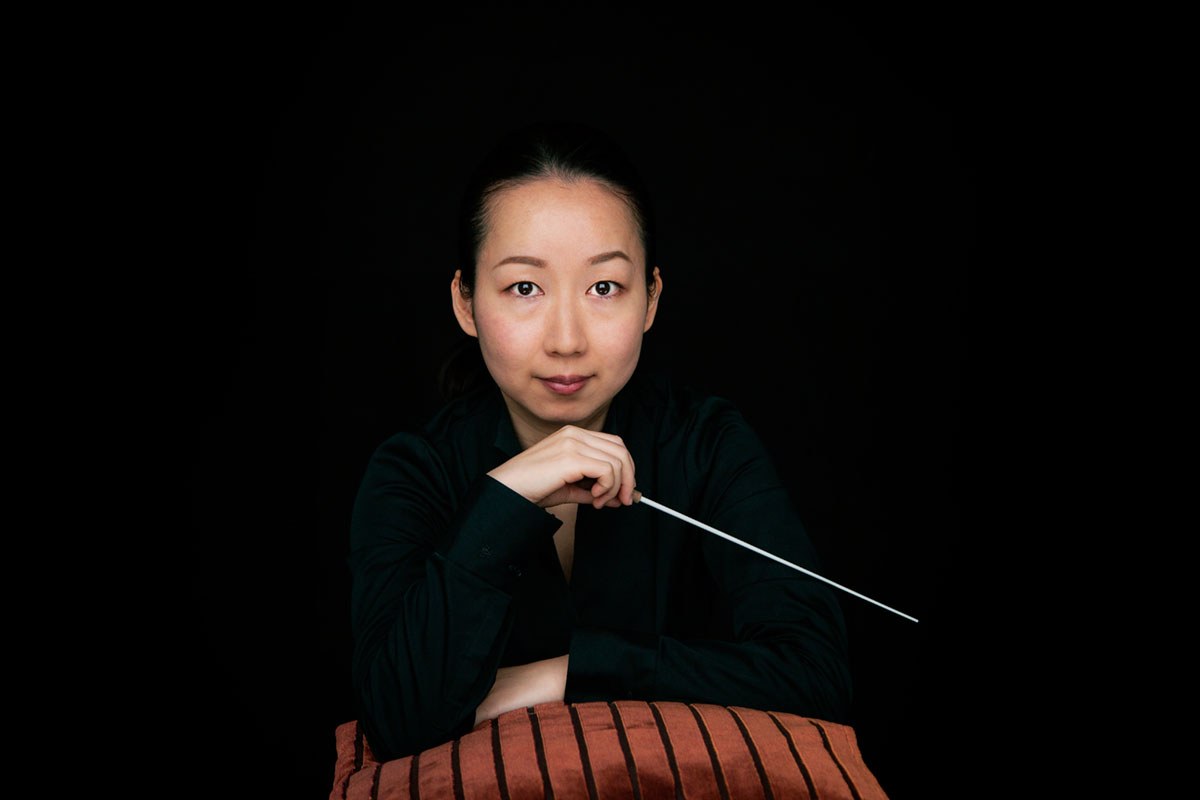
Nodoka Okisawa. Photo supplied
Finally, Francis Poulenc’s Sinfonietta, FP 141 completed a delightfully chosen selection of mainly shorter pieces.
In four movements, it was premiered in 1948, and is a more substantial work than the title might suggest, though the feeling of the music is generally light and breezy. This is very typical of this French composer in its melodiousness, clarity and wit; his only attempt at a symphonic structure.
Once again, conductor Okisawa encouraged vibrant and resilient results with a strong rhythmic profile. Solo work across the orchestra was first rate with a feeling of power held in reserve for climactic moments.







Comments
Log in to start the conversation.