




This concert saw the welcome return of former Chief Conductor and TSO Conductor Laureate Marko Letonja for the first time since 2022. The late indisposition of Serbian-French violinist Nemanja Radulovic also resulted in a program change; Radulovic was to make his TSO debut with Prokofiev’s second Violin Concerto. Fortunately, the brilliant Ukrainian born Australian pianist Alexander Gavrylyuk, a frequent collaborator with the TSO and Letonja over the years, was available.
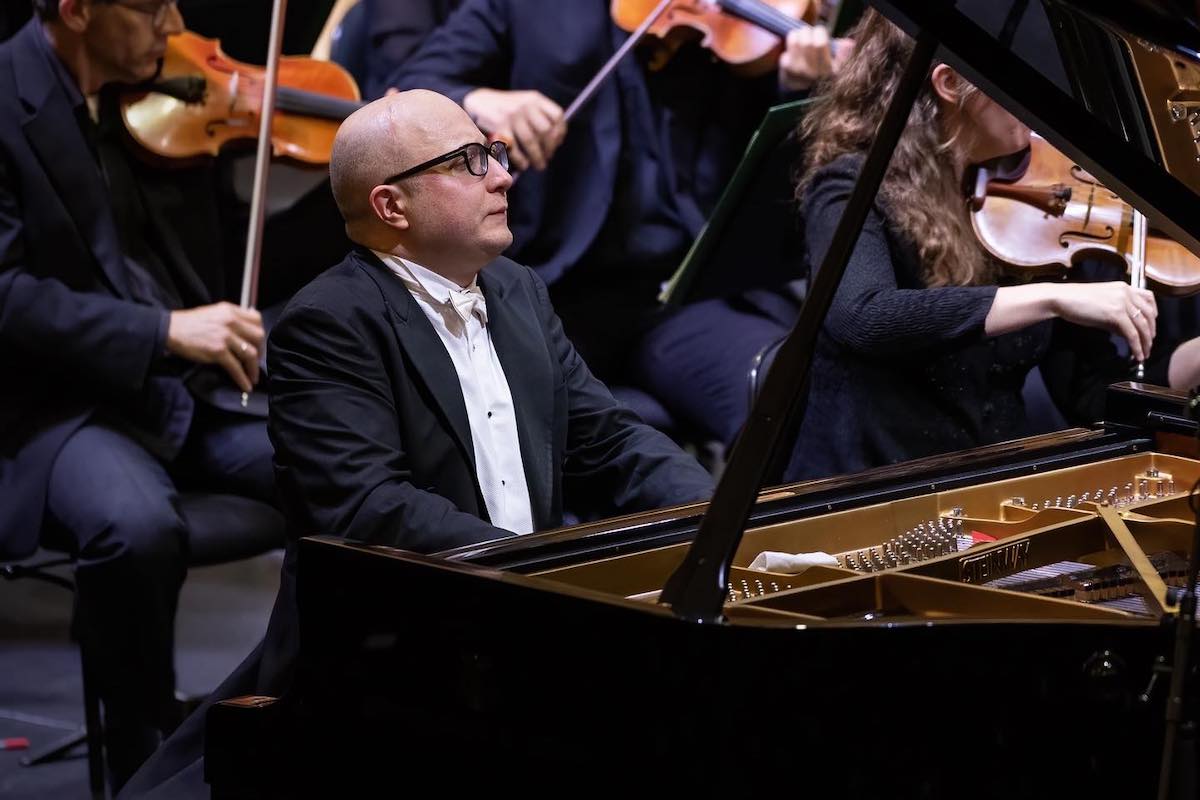
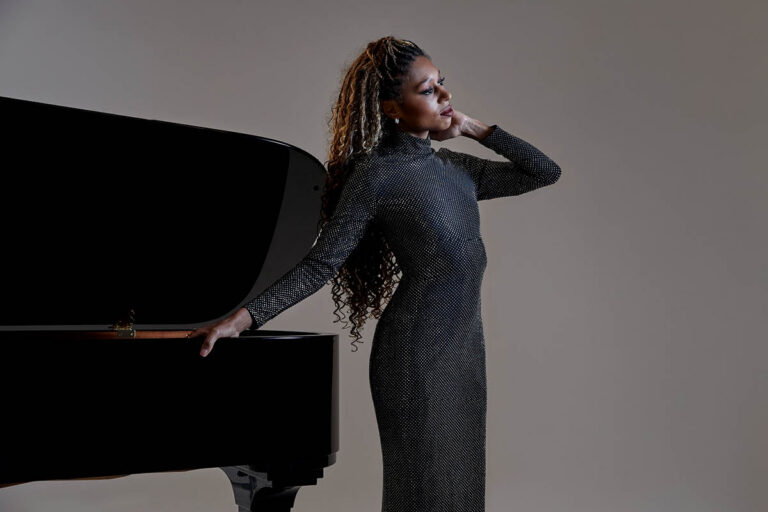
Alexander Gavrylyuk. Photo © Ben MacMahon
These musicians previously performed the Tchaikovsky Piano Concerto No. 1 in B flat minor, Op. 23 with the TSO in March 2012. Their rendition on this occasion had lost nothing in power and poetry in the intervening years. The pianist’s blend of extreme virtuosity at speed in the bravura passages of the outer movements, and poetic sensibility and subtle rubato in the central Andantino with its dancing middle section, was dazzling.
The orchestra accompanied with great rapport; Letonja and the strings handling gentler moments like the delicate pizzicato opening of the slow movement with finesse. A standing ovation resulted in a refined encore – Schumann’s Träumerei (Kinderszenen No. 7), Scenes from Childhood.
The concert opened...
Continue reading
Get unlimited digital access from $4 per month
Already a subscriber?
Log in



Comments
Log in to start the conversation.