




As with Beethoven and Mahler, the nine symphonies of Ralph Vaughan Williams each have a distinct personality and point of their own. Some are specifically inspired by place: No. 2 (A London Symphony) and No. 7 (Sinfonia Antartica) for instance, and the underlying inspiration of others is specified in their titles A Sea Symphony (No. 1) and A Pastoral Symphony (No. 3). Even though the Fifth and the Ninth have no such designation, and are more abstract for it, they are nevertheless linked to the times in which they were written.
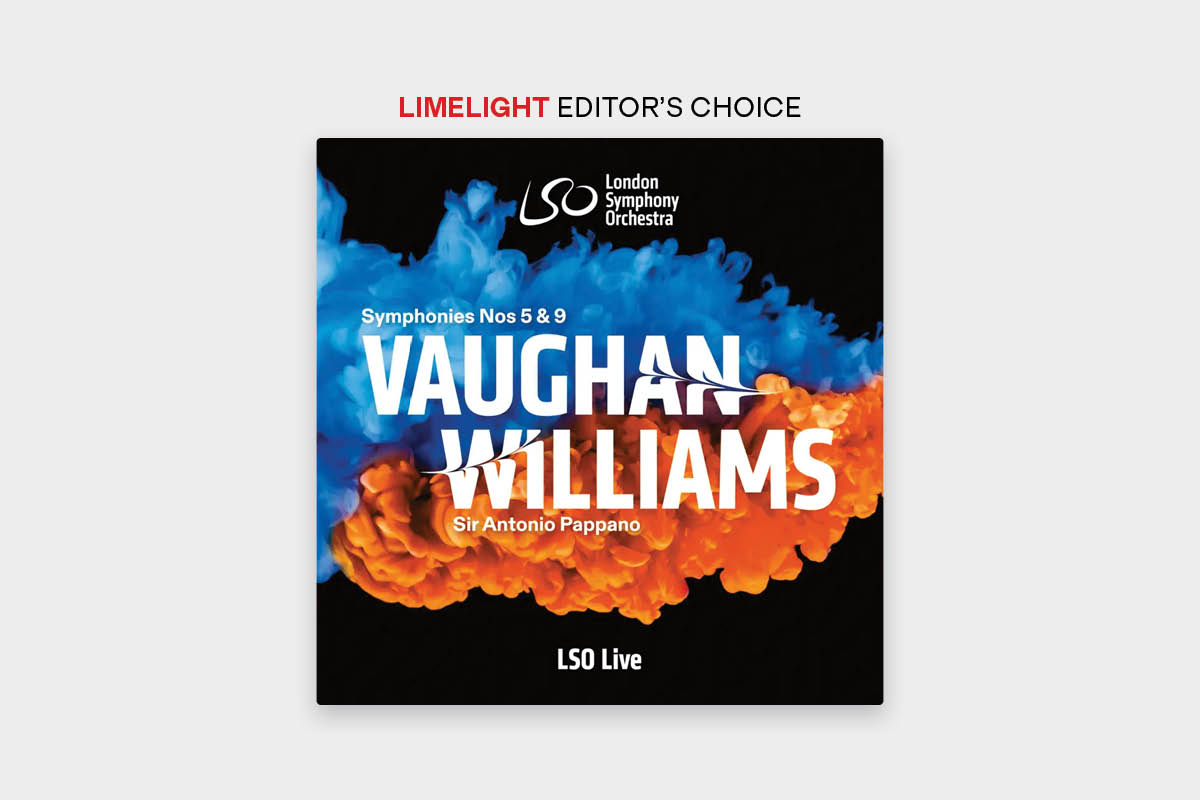
The Fifth (1943) appeared at height of the Second World War, at a point when Britain was under threat and many English men and women had perished in the conflict. The symphony’s first movement is a mixture of pastoral English calm and majestic brass fanfares. Both aspects were comforting to the contemporary audience. The Romanza movement is also a deeply felt pastoral lament, with a gently oboe melody prominent. Vaughan Williams re-used music he had written for...
Continue reading
Get unlimited digital access from $4 per month
Already a subscriber?
Log in





Comments
Log in to start the conversation.