


For the rest of the year, Xani Kolac’s got a packed calendar that takes her all over the world. She’s performing with contemporary artist Kate Miller-Heidke on her national tour, presenting a world premiere work at jazz festivals in Melbourne and London, hopping over to Berlin for a handful of collaborations, and then playing a prog rock festival in Camden. A colourful assortment of genres; a trademark of the violinist-composer’s career to date.
“I’ve always worked with a diverse array of artists,” Kolac tells Limelight. “I’ve never really understood why art has to be so fixed or stable.”
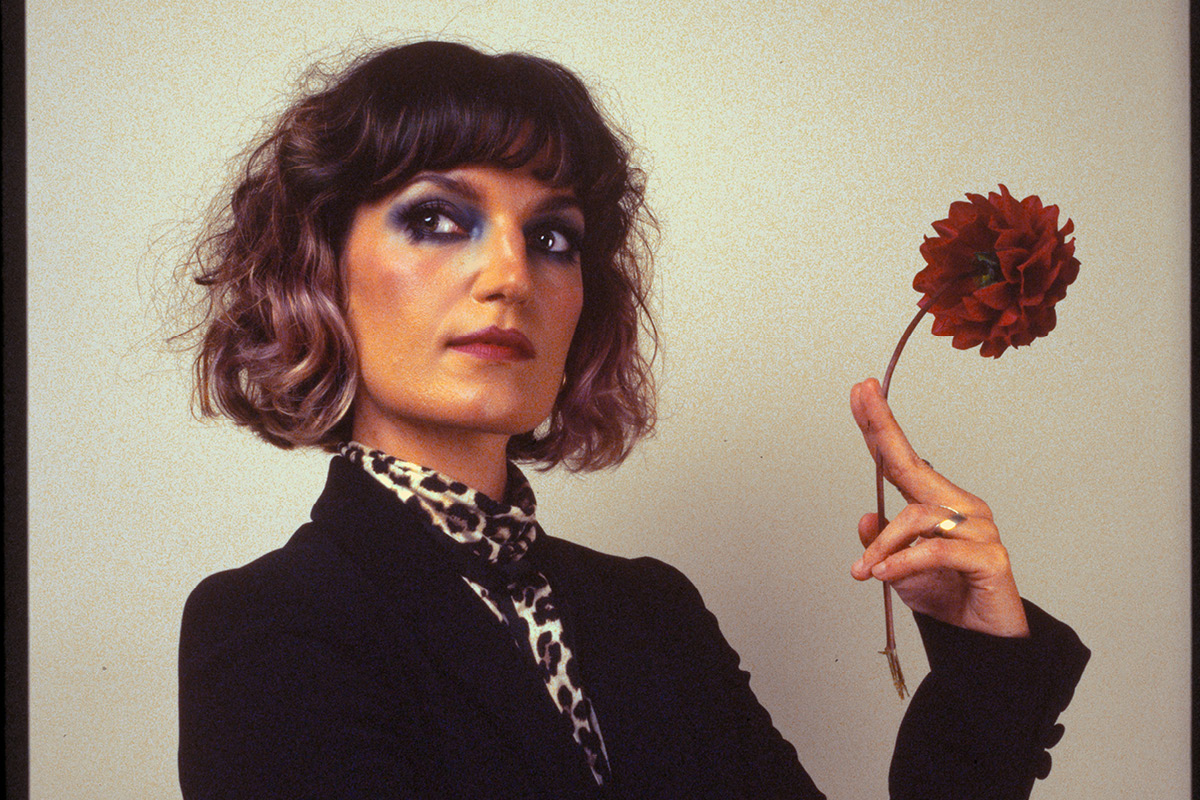
Xani Kolak. Photo supplied
The Melbourne pit stop is for the 2026 Melbourne International Jazz Festival, where Kolac is this year’s Take Note Jazz Leader, which has been, she says, “such a gift, an honour, and a privilege”. For MIJF’s Take Note program, Kolac has been commissioned to write a new work which will see its world premiere on 17 October, titled KOŁACZ.
“That’s my family name,” Kolac explains.
“When my grandparents immigrated during the war, the Australian official spelled the name wrong. As my dad grew up, he found it quite difficult to get a job because his name looked too foreign, so he dropped it. The name became ‘Kolac’, even though it’s Kołacz. I wanted to restore what that migration had erased; I picked up this name and discovered how much was inside it.”
‘Kołacz’, she adds, is also the name for a bread used during celebrations or wedding rituals. “I really liked this idea of the name being a centre of conflict, but also a centre point for connection.”
Kolac’s grandparents are Polish, and it’s been very difficult for Kolac’s family to locate records of their lives, as so much was destroyed during World War II.
“They didn’t really talk about their Polish identity very much as I was growing up; it was kind of a thing that they would say, ‘no, I’m not Polish. I’m Australian’. That part of their identity was what migration erased. Rediscovering it has been something I’ve really wanted to do.”
After a six-year process, Kolac was herself granted Polish citizenship in 2025. This year, she travelled to the country for the first time, “hoping for a sense of belonging”.
“I fell in love with Poland,” she says. “I got all those feelings, but I also got this really strong sense that this is somewhere I haven’t grown up. I can speak tiny bits of the language, but I don’t know it. I don’t know the culture. When I went and visited my grandmother’s town, I discovered that it’s right on the border of Ukraine and Poland; I was going through some photos and documents and she was listed as Ukrainian; she had multiple identities herself. It was transformative and beautiful, and I met so many people and felt a real connection to Poland. It also brought up questions as well; asked and unanswered.”
That fluidity, seemingly, has been inherited by Kolac. After previously feeling “a little bit excluded” from the jazz world, the Take Note program has been a powerful show of support for her place within the field.
“When I started writing, I set aside some days to let things just pour out without editing them. My main goal was to make sure that I didn’t censor it or try to force things into what jazz should be.
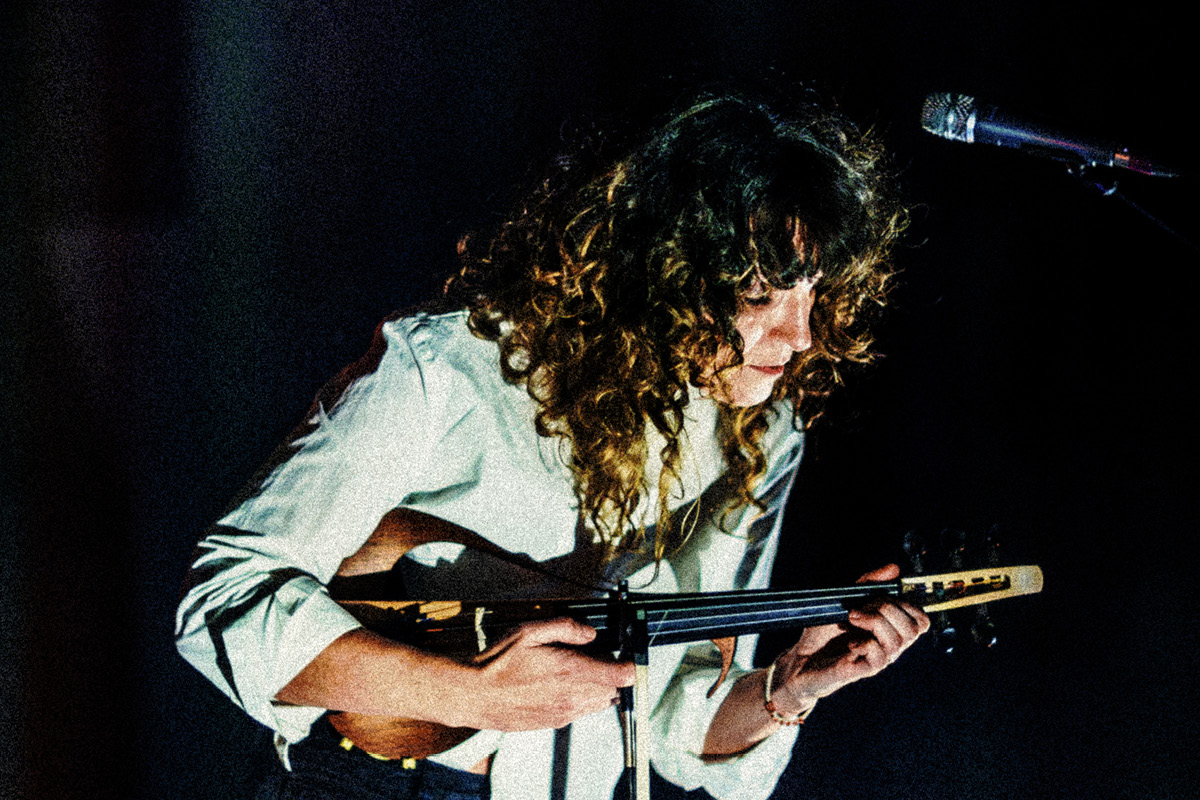
Xani Kolak. Photo supplied
Improvisation is one of the core components of KOŁACZ – there are traditionally scored sections with cues for performers to improvise over, but also stretches for players to toy with motifs or concepts over the stretch of the work. Kolac says she wanted to “create a map that people could follow while also offering enough [space for] who they are as performers”.
“I also wanted to really reshape the traditional jazz form, which is head/melody, solo, head out. This comes from a more feminist approach to music-making; rather than looking at everything as an arc, looking at it as more of a meandering shape fits with my concept of looking for where I belong.”
For the world premiere at MIJF, Kolac has roped in double-bassist and vocalist Helen Svoboda and drummer Justin Olsson. Kolac has known Olsson since high school and collaborates frequently with him, but this will be the first time she works with Svoboda, whom she calls “amazing in her practice”.
Estonian-Swedish artist Tuulikki Bartosik, who plays accordion and the traditional Estonian kannel, also makes her Australian debut in KOŁACZ – she’ll also join Kolac to perform the work at London Jazz Festival on 22 November.
“I had seen Tuulikki perform at Tallinn Music Week last year, and I just knew that I needed to work with her. I also really wanted accordion in this work to celebrate some instruments in improvised music; I’ve always loved that sound, it feels really rich. It’s so beautiful if you put it through electronic effects and modernise it.”
Throughout the piece, Kolac, Svoboda and Bartosik will all be processing their sounds through various electronic processes; KOŁACZ starts in quite a solitary way, to convey her initial detachment, Kolac says. Encounters with people on her overseas trips strike feelings of belonging in that moment – as she strings them together, like “little jewels”, her sense of belonging grows, collects a history, and shifts, as does the piece.
“The central question of KOŁACZ is ‘where do I belong?’, and what I feel like I’ve discovered is that I belong wherever I bring my whole self. It had to always have the whole gamut of my experience; my influences, and my relationship with genre.”
KOŁACZ is presented on 17 October at the Melbourne International Jazz Festival.








Comments
Log in to start the conversation.