




The connecting idea of this SSO program is later composers referencing the work of earlier composers, in various ways. The opening piece, Le Tombeau de Couperin by Maurice Ravel, has none of the French Baroque composer Couperin’s music in it at all. Rather, Ravel imitated the style of Couperin’s period, using dances of the era such as the Forlane, Menuetto, and Rigaudon. Harmonically and orchestrally, the result is pure Ravel.
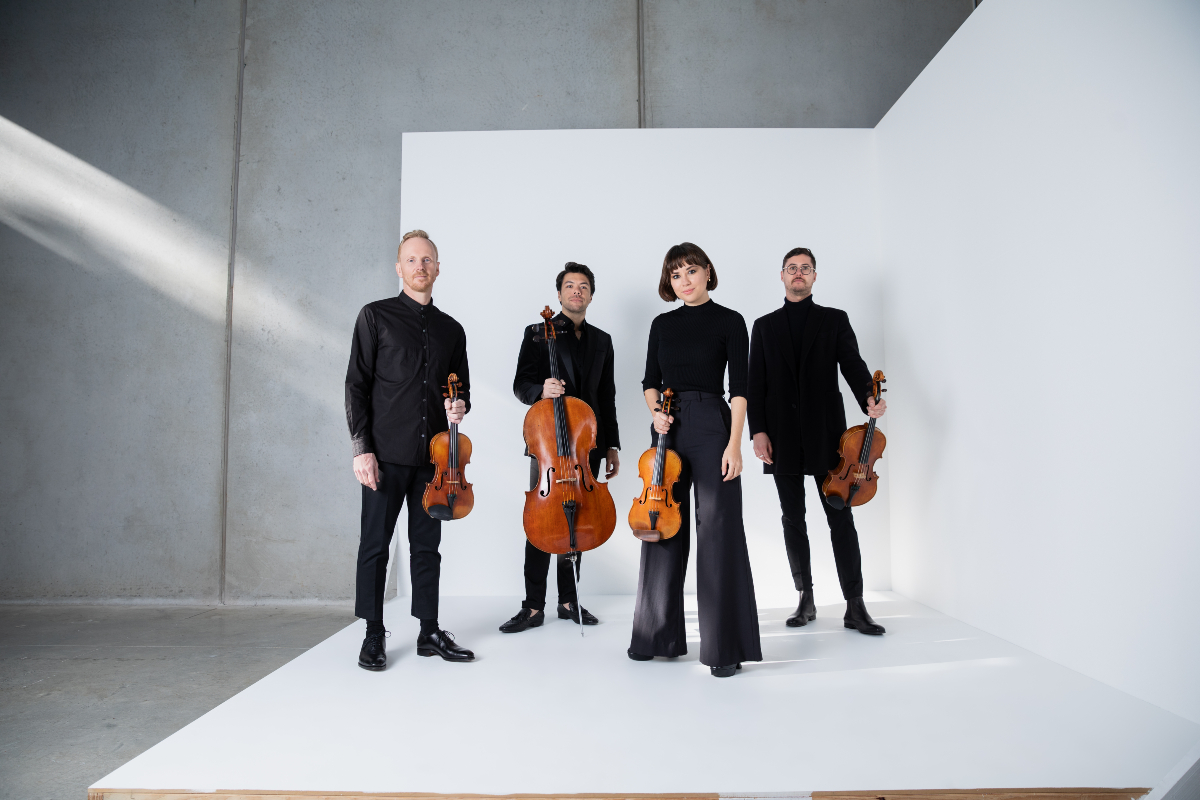
Australian String Quartet. Photo © Agatha Yim
The work for string quartet and orchestra by contemporary American composer John Adams, Absolute Jest (2012), is one in which Adams quotes snippets of Beethoven and plays with them throughout. Quite a lot of the first half is taken up with the famous dotted rhythm of the Scherzo from Beethoven’s ‘Choral’ Symphony (No. 9), and there are other more subtle thematic references to Beethoven’s string quartets – particularly in a lyrical section where the quartet play unaccompanied, inspired by Beethoven’s Grosse Fugue.
Arnold Schoenberg, the creator of 12-tone music, was a great admirer of Brahms and orchestrated Brahms’s G minor...
Continue reading
Get unlimited digital access from $4 per month
Already a subscriber?
Log in






Comments
Log in to start the conversation.