


The hauntingly lovely opening bars of Johannes Brahms’ Sonata for Violin and Piano No. 1 in G major signalled that the audience were in for special treat when Andrew Haveron and Kathy Selby opened the latest tour of Selby & Friends.
Dubbed First Things First, the program showcased three of the master’s initial published attempts in different chamber music genres, all written over three decades and at crucial points in his life.

Kathryn Selby. Photo supplied
The violin sonata – actually his fifth attempt, the others were scrapped – was written in 1878/79 at a time when he was enjoying some belated success. Like the Violin Concerto, written in the same period, it is dedicated to his friend Joseph Joachim and is known as the Regenlied (Rain Song) Sonata as its final movement takes inspiration from two of his earlier songs which evoke the association of raindrops with the hopes and dreams of childhood.
There was superb chemistry between the two performers, the Sydney Symphony Concertmaster’s honey toned 1757 Guadagnini blending warmly with Selby’s subtle handling of dynamic for the first movement, marked Vivace, ma non troppo, with just the right mixture of buoyancy and emotion.
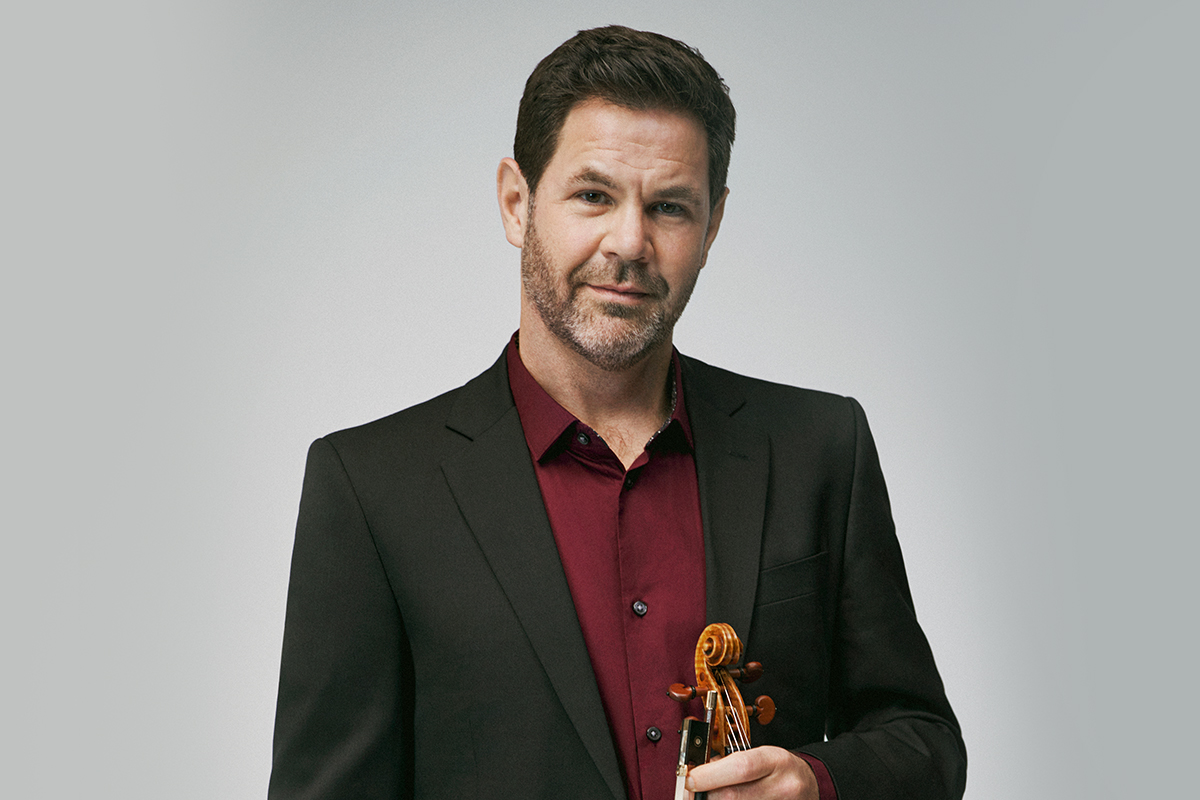
Andrew Haveron. Portrait supplied
The double-stopped melody lines of the Adagio were like a healing balm after the urgent middle section and the rain-driven splashes of colour in the finale’s piano part built to a satisfying dramatic climax.
The first of Brahms’ two cello sonatas, performed here by ACO Principal Cello Timo-Veikko Valve, was written in the wake of his mother’s death in 1865, and like the German Requiem from the same year there are obvious signs of grieving. But rather than using Robert Schumann or Beethoven as guiding lights Brahms turned to J.S. Bach for his inspiration, quoting Contrapunctus 14 from The Art of Fugue in the fugal third movement.
The opening movement is, however, the composer at his most romantic, albeit it with moments of wistfulness. The two instruments are equal partners and Valve and Selby have a keen understanding of each other from collaborating regularly over several seasons.

Timo Veikko-Valve. Portrait supplied
The last work on the program, the Piano Trio No. 1 in B major, Op. 8, is in fact the earliest of the three, having been written when Brahms was 20 and at a tumultuous time in his personal life. He completed it in in January 1854, just a month before Schumann attempted suicide, leading to his voluntary confinement in an asylum. Brahms moved into the Schumann household, helping Clara, who had to juggle having eight children with a concert career, by taking care of the family finances.
It was easy to get carried away by the passion and superb musicianship on display over these four movements. Selby, Haveron and Valve didn’t hold back in the opening movement, garnishing the Allegro with plenty of brio.
The infectious Scherzo, in which piano and violin chase after the cello like a hunting party, was contrasted by the distant churchbell-like chords of the Adagio, before the barnstorming closing minutes brought a huge cheer from the concert hall.
Selby & Friends presents First Things First at the Primrose Potter Salon, Melbourne Recital Centre on 2 November and Elder Hall, Adelaide on 3 November.



Comments
Log in to start the conversation.