




The 1600s were certainly the worst of times for countless Europeans with the unprecedented slaughter of the Thirty Years War, great plagues raging across borders and millions of families displaced and dispossessed.
Little wonder, then, that composers of the period sought to offer a lifeline through music of surpassing beauty and, often, hope and joy.
Some of their works feature in a delightful concert performed by Salut! Baroque in Canberra and Sydney.
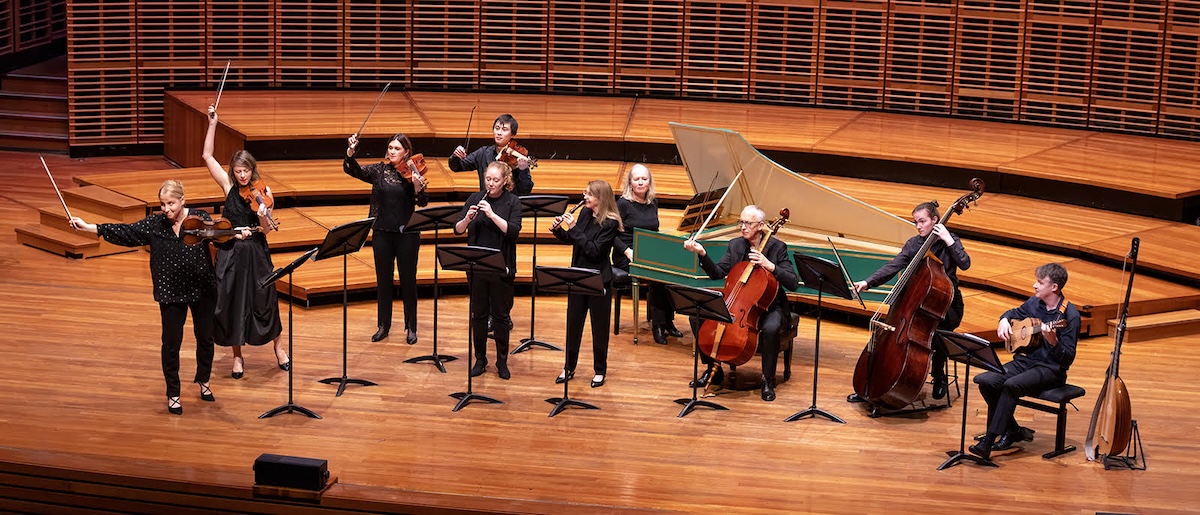
Salut! Baroque: Bohemian Rhapsody. Photo supplied
The Italians were the flagbearers of the Baroque and as their musicians took up appointments at various European courts their influence expanded, including to centres such as Prague in the heart of Bohemia and onto the Habsburg Empire.
Salut’s co-Artistic Directors, recorderist Sally Melhuish and cellist Tim Blomfield, take this as a starting point for their Bohemian Rhapsody tour which features 10 musicians led by respected HIP violinist and ARCO Concertmaster Rachael Beesley.
Austrian Heinrich Biber is known for his arresting pieces evoking the sounds of war, drunken soldiers and local bird and wildlife but his all-string Sonata in B minor from Fidicinium Sacro-Profanum makea for a relatively peaceful start to the...
Continue reading
Get unlimited digital access from $4 per month
Already a subscriber?
Log in




Comments
Log in to start the conversation.